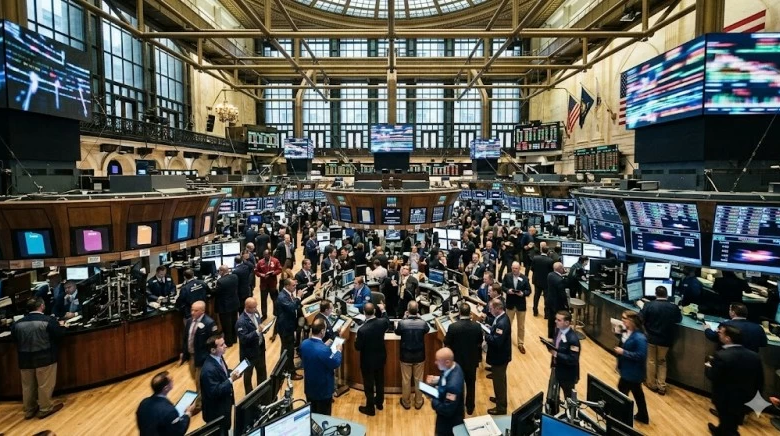
US financial markets have witnessed a dramatic shift in investor sentiment, with the key volatility gauge on Wall Street surging sharply in recent trading. The index has recorded a record increase of nearly 80% since the beginning of the year, fueled by escalating geopolitical tensions that have cast a dark shadow over the global economic landscape, eroding investor confidence and increasing uncertainty in financial markets.
Worrying figures for the VIX index
In trading details, the VIX index, known in financial circles as the "Wall Street fear index," surged 23.4% to reach 26.46 points at 1:29 PM Mecca time. This rise comes after the index touched 26.67 points, its highest level since November 21st, reflecting growing anxiety among traders and portfolio managers.
What does it mean to surpass the 20-point mark?
The current reading of the volatility index is particularly significant when compared to normal levels. In financial terms, readings below 20 indicate a relatively stable investment environment and optimism in the stock market. Conversely, exceeding and remaining above this level, as is currently the case, is a red flag, reflecting the market's entry into a period of high volatility and increased risk. This level typically prompts major financial institutions to reassess their hedging strategies to protect assets from sudden price fluctuations.
Background of the index and the impact of geopolitical tensions
The CBOE Volatility Index (VIX) is the global benchmark for measuring market expectations of volatility over the next 30 days, based on the S&P 500. Historically, a surge in this index has been linked to major crises, both economic and political. In the current context, geopolitical tensions are playing a pivotal role in fueling this rise, as capital tends to be timid during times of conflict and political instability, prompting investors to flee risky assets like stocks and seek safe havens such as gold, government bonds, and the US dollar.
Expected impact on markets
This surge in the "fear index" is expected to influence investor decisions in the coming period, potentially leading to sharp fluctuations in major stock indices such as the Dow Jones and Nasdaq. Furthermore, if the index remains at these elevated levels, it could result in tighter credit conditions and higher hedging costs, placing additional pressure on companies and financial institutions already struggling to navigate this turbulent economic environment.