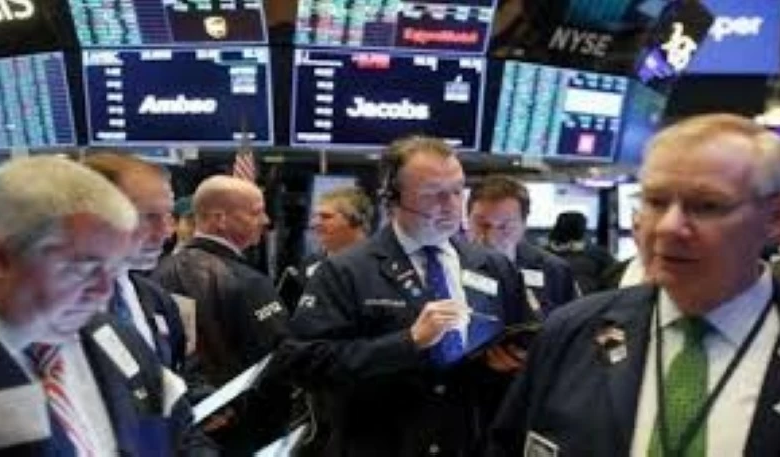

The first week of the war was marked by extreme turmoil and sharp fluctuations that rocked both global and Gulf financial markets. Escalating geopolitical tensions cast a dark shadow over investor sentiment, prompting capital to seek safe havens, while concerns about energy supplies reshaped the global economic landscape in a matter of days.
The geopolitical context and its impact on the economy
These developments are of paramount importance due to the strategic location of the conflict zone, as the Strait of Hormuz is a vital artery for the global economy, through which a significant portion of the world's oil supply passes. Historically, conflicts in this region have been a major driver of rising energy prices, which explains the immediate market reaction. The international economic community fears that the continuation or expansion of the conflict could lead to supply shocks, bringing the specter of global inflation back to the forefront after a period of relative stability.
Gulf markets showed mixed performance
In the Gulf region, the shock was clearly felt, with UAE markets recording the weakest performance since the start of military operations. The Dubai Financial Market index fell sharply by 9%, and the FADX15 index declined by 6.2%, reflecting the sensitivity of commercial and tourism markets to regional risks. In contrast, the Saudi market showed remarkable resilience, bucking the trend and posting weekly gains of 0.6%, primarily supported by rising oil prices, which typically bolster the Kingdom's financial outlook. This created a divergence in performance among regional markets.
Resurgence of inflation concerns and US monetary policy
Globally, and particularly in the United States, markets no longer view the war as a passing event, but rather as a catalyst for new inflationary risks. This was immediately reflected in interest rate pricing, with markets reducing their expectations for rate cuts to just 40 basis points in 2026, compared to 59 basis points before the war. This shift led to higher bond yields and lower bond prices, as investors preferred to focus on inflation risks rather than viewing bonds as a traditional safe haven. As for US indices, the S&P 500 fell by 2%, the Nasdaq dropped by 1.2%, and the Dow Jones lost 3% of its value.
Europe is the biggest loser, while oil is the top winner
European markets were the hardest hit due to the continent's heavy reliance on energy imports. The STOXX 600 index suffered its biggest weekly loss in a year, falling 5.5%, coinciding with a surge in natural gas futures.
In contrast, oil and the dollar led the gainers; West Texas Intermediate crude futures jumped more than 12%, posting their biggest weekly gain since trading began in 1983, to close at $90.90. Brent crude also climbed 8.52% to $92.69 a barrel, amid genuine concerns about disruptions to shipping and supplies from the Middle East.