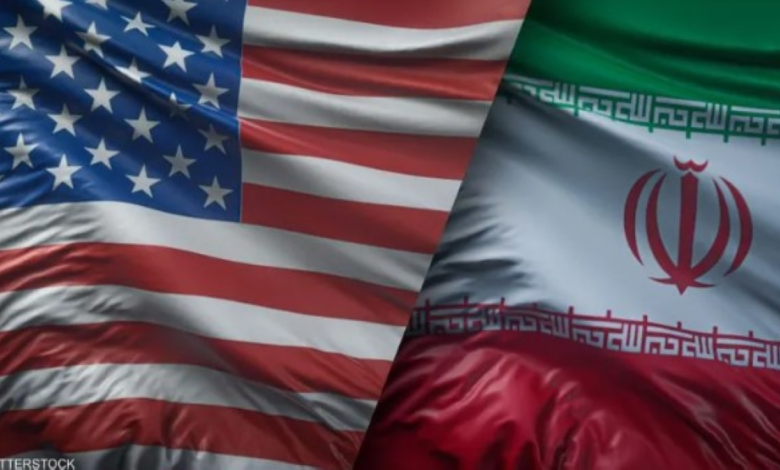

تتجه أنظار المجتمع الدولي نحو العاصمة الباكستانية إسلام آباد، حيث تتواصل الجهود الدبلوماسية المكثفة لاحتواء التوترات المتصاعدة في منطقة الشرق الأوسط. وفي تطور لافت ومهم، أعلن البيت الأبيض أن المفاوضات بين واشنطن وطهران تجري بشكل مباشر، في مسعى جاد للتوصل إلى تسوية سياسية تضع حداً للحرب الدائرة في المنطقة وتمنع انزلاقها نحو صراع إقليمي أوسع.
تفاصيل الجولات التفاوضية والموقف الرسمي
أكد مسؤول رفيع المستوى في البيت الأبيض أن المحادثات المباشرة بين وفدي الولايات المتحدة الأمريكية والجمهورية الإسلامية الإيرانية، بمشاركة ممثلين عن باكستان، لا تزال “متواصلة”. وتأتي هذه التصريحات لتتقاطع مع ما أفاد به التلفزيون الرسمي الإيراني، الذي أعلن عن عقد جولتين من المفاوضات المكثفة في إسلام آباد يوم السبت. ونقلت هيئة الإذاعة والتلفزيون الإيرانية عن مصدر مقرب من فريق التفاوض قوله إنه من المرجح جداً أن تُعقد جولة ثالثة حاسمة هذه الليلة أو يوم الأحد، مما يعكس رغبة الطرفين في تسريع وتيرة المباحثات.
السياق التاريخي: التحول نحو الحوار المباشر
تكتسب هذه الجولة من المفاوضات بين واشنطن وطهران أهمية استثنائية من الناحية التاريخية والدبلوماسية. فلعقود طويلة، وتحديداً منذ عام 1979، اتسمت العلاقات بين البلدين بالقطيعة والتوتر الشديد. وفي الأشهر والسنوات الماضية، اعتمدت واشنطن وطهران على وسطاء إقليميين لنقل الرسائل، حيث كانت المفاوضات تتم عبر غرفتين منفصلتين. إلا أن جلوس ممثلي البلدين وجهاً لوجه في إسلام آباد يمثل تحولاً استراتيجياً كبيراً، فرضته الضرورات الأمنية الملحة والحاجة إلى قرارات سريعة لا تحتمل تأخير الوسطاء.
أهمية الحدث وتأثيره الإقليمي والدولي
على الصعيد الإقليمي، تأتي هذه المحادثات في وقت يشهد فيه الشرق الأوسط واحدة من أعنف أزماته، مع استمرار الحرب في قطاع غزة وتصاعد التوترات على جبهات متعددة تشمل لبنان، سوريا، العراق، والبحر الأحمر. وتهدف هذه التسوية المحتملة إلى لجم التصعيد العسكري، وضبط إيقاع الفصائل المسلحة في المنطقة، وتجنب مواجهة عسكرية مباشرة بين القوى الكبرى.
أما على الصعيد الدولي، فإن نجاح هذه المفاوضات سينعكس بشكل إيجابي ومباشر على الاقتصاد العالمي. فتهدئة الأوضاع تعني استقراراً في أسعار الطاقة العالمية، وضمان أمن الممرات الملاحية الدولية، خاصة في البحر الأحمر ومضيق باب المندب، والتي تأثرت بشدة جراء التوترات الأخيرة. كما يبرز هذا الحدث الدور الدبلوماسي المتصاعد لباكستان كلاعب إقليمي قادر على جمع الخصوم على طاولة واحدة.
في الختام، تبقى الساعات القادمة حاسمة لتحديد مسار هذه المباحثات، وما إذا كانت الجولة الثالثة المحتملة ستسفر عن اتفاق إطار يمهد لمرحلة جديدة من التهدئة المستدامة في الشرق الأوسط.