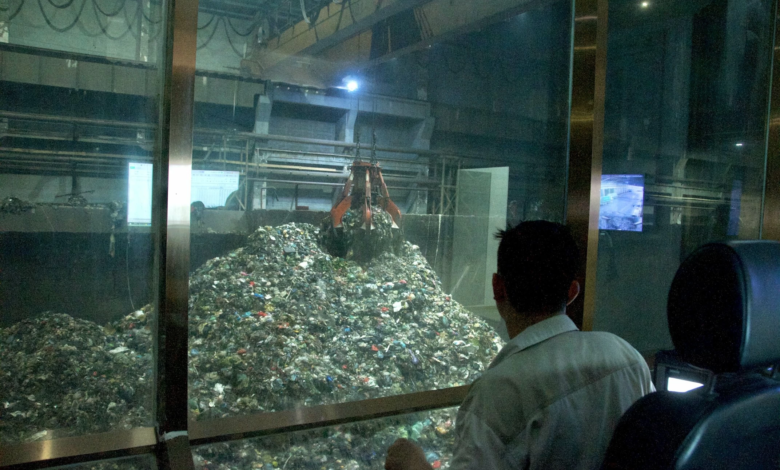

في عالم يواجه تحديات متزايدة تتعلق بإدارة المخلفات وأمن الطاقة، تبرز تقنيات نفايات الطاقة كحل مبتكر وفعال يعالج أزمتين في آن واحد. فبدلاً من النظر إلى أكوام القمامة المتزايدة كعبء بيئي وصحي، تقدم هذه التقنيات رؤية جديدة تعتبرها مورداً قيماً يمكن تحويله إلى كهرباء وحرارة، مما يساهم في بناء مستقبل أكثر استدامة ونظافة. لم تعد الفكرة مجرد خيال علمي، بل أصبحت واقعاً ملموساً في العديد من دول العالم التي تتبنى الاقتصاد الدائري كنهج أساسي للتنمية.
من مشكلة عالمية إلى فرصة مستدامة
تاريخياً، كانت طرق التخلص من النفايات تقتصر على حلول بدائية مثل المكبات المفتوحة التي تسببت في تلوث التربة والمياه الجوفية وانبعاث غازات دفيئة خطيرة مثل الميثان. مع تزايد الوعي البيئي والضغط السكاني على الموارد، بدأ البحث عن بدائل أكثر كفاءة. من هنا، تطورت فكرة حرق النفايات لتوليد الطاقة، والتي شهدت نقلة نوعية من مجرد محارق بسيطة إلى منشآت متطورة تقنياً تعرف اليوم بمحطات تحويل النفايات إلى طاقة (Waste-to-Energy). هذه المنشآت لا تقلل حجم النفايات بنسبة تصل إلى 90% فحسب، بل تسترجع أيضاً الطاقة الكامنة فيها، محولة بذلك مشكلة بيئية معقدة إلى فرصة اقتصادية واعدة تدعم شبكات الكهرباء المحلية وتقلل الاعتماد على الوقود الأحفوري.
تقنيات تحويل نفايات الطاقة: ما وراء الحرق التقليدي
على الرغم من أن الحرق المراقب هو التقنية الأكثر شيوعاً في مجال نفايات الطاقة، إلا أن الابتكار لم يتوقف عند هذا الحد. لقد ظهرت تقنيات حرارية وكيميائية وبيولوجية متقدمة توفر خيارات متنوعة وأكثر نظافة. من بين هذه التقنيات، يبرز التغويز (Gasification) الذي يحول النفايات الصلبة إلى غاز صناعي (Syngas) يمكن استخدامه لتوليد الكهرباء بكفاءة عالية. كذلك، تقنية الانحلال الحراري (Pyrolysis) التي تفكك المواد العضوية في غياب الأكسجين لإنتاج وقود سائل وزيوت. هذه التقنيات المتقدمة لا تقتصر على توليد الطاقة، بل تساهم أيضاً في استخلاص مواد قيمة يمكن إعادة استخدامها في الصناعة، مما يعزز مبادئ الاقتصاد الدائري بشكل كامل.
التأثير العالمي والمستقبل الواعد
تعتبر دول مثل السويد وألمانيا واليابان نماذج رائدة في تبني تقنيات تحويل النفايات إلى طاقة، حيث نجحت في تحويل غالبية نفاياتها من عبء يذهب إلى المكبات إلى مصدر طاقة وطني. هذا التحول لم يساهم فقط في تحقيق أهدافها البيئية والمناخية، بل خلق أيضاً قطاعاً صناعياً جديداً يوفر آلاف الوظائف. على الصعيد العالمي، يتزايد الاهتمام بهذه التقنيات كجزء أساسي من استراتيجيات الطاقة المتجددة وإدارة المدن الذكية والمستدامة. ومع التطور المستمر في أنظمة التحكم في الانبعاثات وزيادة كفاءة التحويل، من المتوقع أن يلعب قطاع نفايات الطاقة دوراً محورياً في مواجهة تغير المناخ وتأمين إمدادات طاقة موثوقة للأجيال القادمة.