The goals of the Water Innovation Partnerships Initiative are to enhance water security

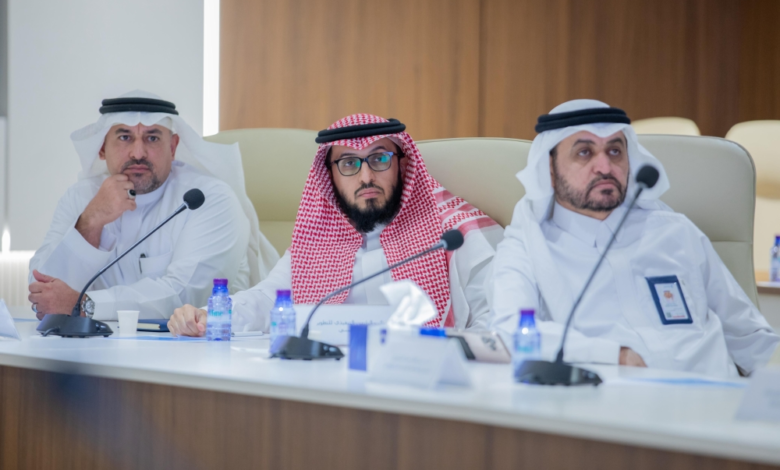
In a strategic move aimed at strengthening the water security system in the Kingdom of Saudi Arabia, the Steering Committee of the "Water Innovation Partnerships Belt" initiative adopted three main objectives during its first meeting, chaired by Dr. Abdulaziz Al-Malik, Undersecretary for Research and Innovation at the Ministry of Environment, Water and Agriculture. This step lays the foundation for a new phase of integrated work between the public and private sectors, aiming to transform the Kingdom into a global hub for water technologies.
Strategic goals that align with Vision 2030
The committee focused its meeting outcomes on three key objectives that form a roadmap for the next phase:
- Enhancing knowledge exchange: through launching joint research programs that link academic institutions and industry entities.
- Providing funding: Connecting innovators and entrepreneurs with local and international funding mechanisms to ensure the sustainability of projects.
- Marketing Innovations: Accelerating the dissemination of technological opportunities and developing intellectual property rights to transform ideas into commercially viable products with economic value.
These goals are directly consistent with the objectives of the Kingdom’s Vision 2030, which places water security and environmental sustainability at the forefront of its priorities, and seeks to diversify the national economy by localizing advanced technologies instead of merely consuming them.
Context of the initiative and its regional importance
The Water Innovation Partnerships (Water Strip) initiative is of particular importance given the natural challenges facing the Kingdom and the Middle East region, namely the scarcity of natural water resources and the heavy reliance on non-renewable groundwater and desalination. This initiative, which aims to create a coastal strip on the Red Sea that brings together key players in the sector, is a vital platform for unifying national efforts.
This movement is expected to have a wide-ranging positive impact, not only locally by raising the efficiency of water resource management and reducing operational costs, but also regionally and internationally by exporting innovative solutions in the field of water desalination and wastewater treatment, thus enhancing the Kingdom’s position as a global leader in this vital sector.
Sector challenges and innovative solutions
The meeting, which was attended by leading founding and strategic partners such as NEOM, ACWA Power, KAUST University, and the Research, Development and Innovation Development Authority, discussed the pressing challenges facing the sector. Water stress and rising per capita consumption rates topped the agenda.
To address these challenges, the committee approved clear implementation plans based on:
- The complete value chain approach: from extraction and production, through transportation and distribution, to processing and reuse.
- Financial and environmental sustainability: Focus on reducing energy consumption in desalination processes and minimizing losses in the networks.
- Participatory governance: Creating a shared database for research infrastructure to avoid duplication of efforts and maximize the use of national assets.
The meeting concluded by emphasizing the importance of quality international partnerships, where opportunities for cooperation with specialized global alliances were discussed, to ensure the transfer and localization of knowledge, thereby adding value to the national economy and enhancing the sustainability of resources for future generations.