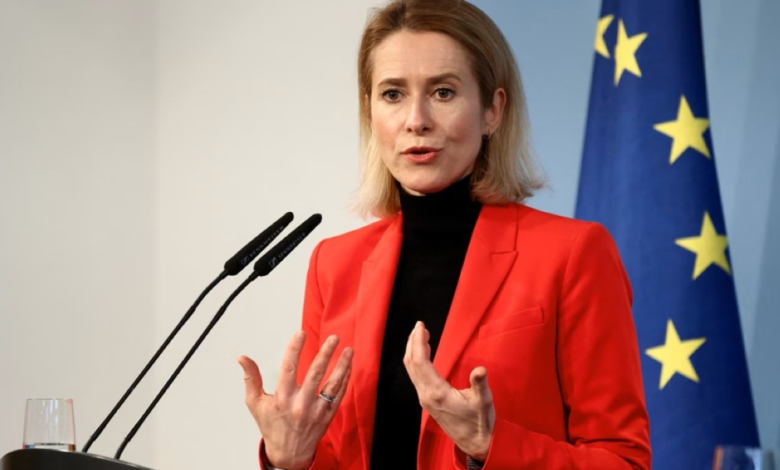

في تصريحات نارية خلال اليوم الختامي لمؤتمر ميونيخ للأمن، وجهت مسؤولة السياسة الخارجية في الاتحاد الأوروبي، كاجا كالاس، انتقادات صريحة لما وصفته بـ«التهجم» الأمريكي على القارة العجوز، مشددة في الوقت ذاته على ضرورة أن تقدم روسيا تنازلات جوهرية في أي مفاوضات مستقبلية لإنهاء الحرب في أوكرانيا.
سجال حول الهوية والحضارة
وجاءت تصريحات كالاس رداً غير مباشر على تعليقات وزير الخارجية الأمريكي ماركو روبيو، الذي أشار إلى ضرورة تصدي أوروبا للهجرة الجماعية لحماية «حضارتها». ورفضت المسؤولة الأوروبية هذه السردية قائلة: «على عكس ما قد يقوله البعض، لا تواجه أوروبا محواً حضارياً». وأكدت كالاس أن الرسالة الأمريكية تفيد بالتشابك بين الطرفين، مستدركة بأن الاتفاق في جميع القضايا ليس شرطاً لاستمرار التحالف، وأن الاختلاف في وجهات النظر سيظل قائماً.
ويعكس هذا السجال تبايناً متزايداً في الرؤى بين بروكسل وواشنطن حول القضايا الاجتماعية والسياسية الداخلية، في وقت تحاول فيه أوروبا الحفاظ على استقلاليتها الثقافية والسياسية بعيداً عن الاستقطاب الأمريكي الداخلي.
شروط صارمة لإنهاء الحرب الأوكرانية
وفيما يتعلق بالملف الأوكراني، اتخذت كالاس موقفاً متشدداً تجاه موسكو، محذرة من خطورة السماح لروسيا بتحقيق مكاسب سياسية عبر المفاوضات عجزت عن تحقيقها عسكرياً. وقالت بوضوح: «إن التهديد الأكبر الذي تشكله روسيا حالياً هو أن تحصد على طاولة المفاوضات ما لم تحققه في ساحة القتال».
وطالبت كالاس بضرورة تحجيم القدرات العسكرية للجيش الروسي، وإلزام موسكو بدفع تكاليف إعادة الإعمار والتعويض عن الأضرار الهائلة التي سببتها الحرب، بالإضافة إلى المحاسبة القانونية على جرائم الحرب. وتأتي هذه التصريحات في وقت حساس تتزايد فيه المخاوف الأوروبية من احتمالية ضغط الإدارة الأمريكية الجديدة باتجاه تسوية سريعة قد تكون مجحفة بحق كييف.
نحو استقلالية الدفاع الأوروبي
وفي سياق متصل، هيمنت هواجس «الاعتماد على الذات» على أروقة مؤتمر ميونيخ، حيث شدد المسؤولون الأوروبيون على ضرورة تولي القارة زمام المبادرة الدفاعية. وأكدت كالاس الحاجة الملحة لاستعادة القدرة الأوروبية على التحرك، مشيرة إلى أن الدفاع عن أوروبا يبدأ من أوكرانيا.
وتعززت هذه الدعوات بتأييد من وزير الدولة الفرنسي لشؤون أوروبا، بنجامان حداد، الذي دعا للتركيز على تعزيز القدرات الذاتية بدلاً من الانشغال بالخطابات الأمريكية، وذلك في ظل الشكوك المحيطة بموثوقية الالتزام الأمريكي في عهد الرئيس دونالد ترامب ونهجه المتقلب تجاه حلف الناتو.