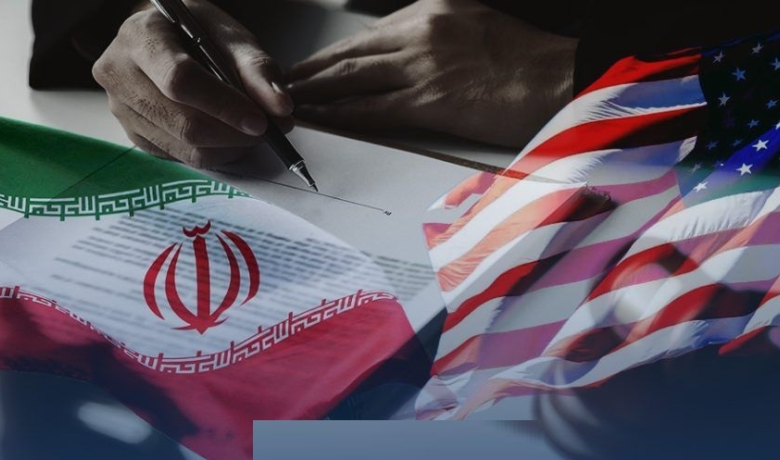

واشنطن تشدد الخناق على طهران بحزمة عقوبات جديدة
في خطوة جديدة تعكس استمرار التوتر في العلاقات بين واشنطن وطهران، أعلنت وزارة الخزانة الأمريكية عن فرض حزمة عقوبات جديدة تستهدف شبكة واسعة مرتبطة بإيران. شملت هذه العقوبات 8 أفراد و5 كيانات، وذلك في إطار استراتيجية الضغط الاقتصادي التي تنتهجها الولايات المتحدة لكبح أنشطة إيران التي تعتبرها مزعزعة للاستقرار في المنطقة.
وأوضحت الوزارة في بيانها أن هذه الإجراءات تهدف إلى تقويض الشبكات المالية التي تدعم البرامج العسكرية الإيرانية، بما في ذلك تطوير الصواريخ الباليستية ودعم الجماعات المسلحة في الشرق الأوسط. وتأتي هذه الخطوة لتؤكد على أن رفع الحصار عن الموانئ الإيرانية أو تخفيف القيود الاقتصادية الأخرى سيكون عملية بطيئة ومعقدة، مرتبطة بتغييرات جوهرية في سياسات طهران.
سياق تاريخي من العقوبات والضغوط
لم تكن هذه العقوبات وليدة اللحظة، بل هي حلقة في سلسلة طويلة من الإجراءات الاقتصادية التي بدأت منذ عقود، وتحديدًا بعد الثورة الإسلامية في إيران عام 1979. تصاعدت حدة هذه العقوبات بشكل كبير مع تزايد المخاوف الدولية بشأن البرنامج النووي الإيراني. ورغم التوصل إلى الاتفاق النووي (خطة العمل الشاملة المشتركة) في عام 2015، الذي قضى برفع العقوبات مقابل تقييد الأنشطة النووية الإيرانية، إلا أن انسحاب الولايات المتحدة من الاتفاق في عام 2018 أعاد فرض سياسة “الضغط الأقصى”، التي شملت عقوبات هي الأشد في تاريخ العلاقات بين البلدين.
منذ ذلك الحين، استهدفت واشنطن قطاعات حيوية في الاقتصاد الإيراني، مثل النفط والبنوك والنقل، بالإضافة إلى إدراج مئات الأفراد والكيانات، بما في ذلك شخصيات ومؤسسات بارزة، على قوائم العقوبات بهدف شل قدرة النظام على تمويل عملياته داخليًا وخارجيًا.
الأهمية والتأثيرات المتوقعة للعقوبات الجديدة
تحمل هذه الحزمة الجديدة من العقوبات دلالات وأبعادًا متعددة على الصعيدين المحلي والإقليمي والدولي. فعلى المستوى المحلي داخل إيران، من المتوقع أن تزيد هذه الإجراءات من معاناة الاقتصاد الإيراني، الذي يواجه بالفعل تحديات كبيرة مثل التضخم المرتفع وتدهور قيمة العملة المحلية. كما تهدف إلى تجفيف منابع تمويل الحرس الثوري الإيراني والجهات العسكرية الأخرى.
إقليميًا، تسعى الولايات المتحدة من خلال هذه العقوبات إلى الحد من نفوذ إيران وتقليص قدرتها على دعم حلفائها في المنطقة، مثل حزب الله في لبنان والحوثيين في اليمن والفصائل المسلحة في العراق وسوريا. أما على الصعيد الدولي، فتعقد هذه الخطوة أي جهود دبلوماسية مستقبلية لإحياء الاتفاق النووي، وتضع الشركات والدول التي تتعامل مع إيران أمام خطر العقوبات الثانوية الأمريكية، مما يعزز من عزلة طهران الاقتصادية على الساحة العالمية.