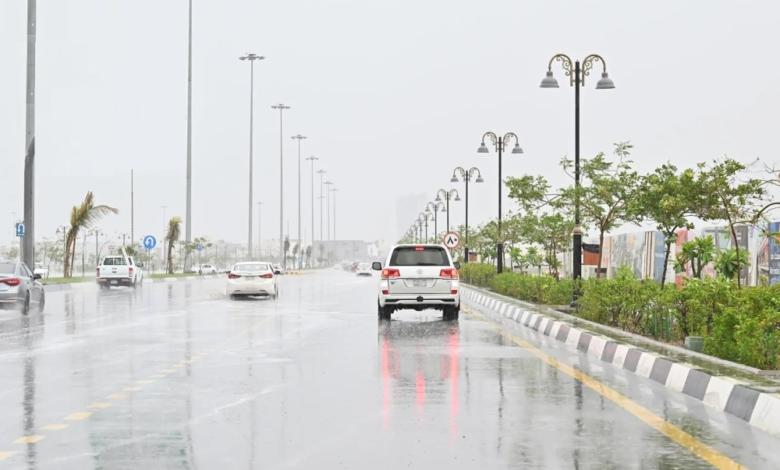

The National Center for Meteorology in Saudi Arabia issued an important weather alert today regarding the weather conditions in the Al-Jawf region, indicating a continued chance of light rain in the region and some of its governorates. The center explained in its report that the weather conditions particularly affect the city of Sakaka and the governorate of Dumat Al-Jandal, where these weather fluctuations are expected to continue until 1:00 AM on Tuesday, God willing.
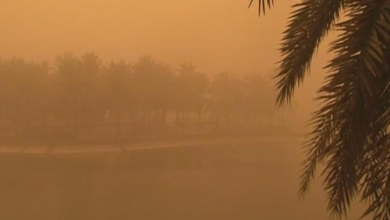
The expected weather conditions include rainfall and significant surface wind activity that may stir up dust and sand in open areas, reducing horizontal visibility. The center also indicated the possibility of thunderstorms associated with this weather pattern, urging caution, especially for those using highways and venturing into desert and open areas that are more susceptible to the effects of strong winds.
These warnings are particularly important given the geographical nature of the Al-Jawf region, located in the north of the Kingdom and characterized by its diverse terrain and vast agricultural areas. The Al-Jawf region, specifically Sakaka and Dumat al-Jandal, is a vital area with active transportation for both trade and agriculture, renowned as the Kingdom's "breadbasket" thanks to its olive and date palm cultivation. Consequently, any changes in weather conditions directly impact the daily activities of farmers and land transport.
Climatically, the northern regions of Saudi Arabia typically experience weather fluctuations at this time of year, resulting from low-pressure systems originating in the Mediterranean Sea or seasonal transitions. While these rains, though light, play a vital environmental role in irrigating the soil and supporting natural vegetation, they also necessitate adherence to public safety guidelines.
In a related context, the relevant authorities, including traffic police and civil defense, urged citizens and residents to adhere to safety guidelines during rainfall and windy conditions. They advised avoiding high speeds on highways when visibility is reduced, staying away from wadis and floodplains even during light rain, and monitoring official weather bulletins issued regularly by the National Center of Meteorology.