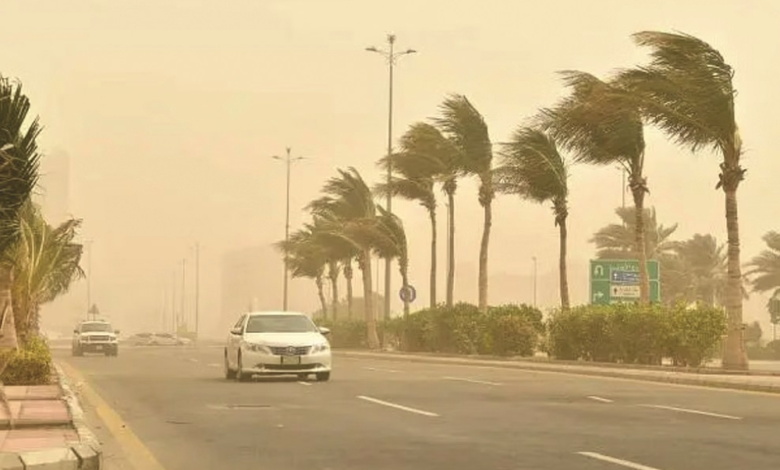

أصدر المركز الوطني للأرصاد في المملكة العربية السعودية تنبيهاً مهماً صباح اليوم، يتعلق بحالة الطقس في منطقة الجوف، مشيراً إلى استمرار ظاهرة العوالق الترابية التي تؤثر بشكل مباشر على مدى الرؤية الأفقية في المنطقة. ويأتي هذا التنبيه في إطار المتابعة المستمرة التي يقوم بها المركز لرصد التقلبات الجوية لضمان سلامة المواطنين والمقيمين.
تفاصيل الحالة الجوية في الجوف
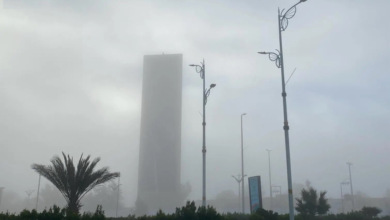
أوضح المركز في تقريره اليومي أن الحالة الجوية المتمثلة في العوالق الترابية لا تقتصر على مدينة سكاكا فحسب، بل تمتد لتشمل ثلاث محافظات رئيسية أخرى وهي دومة الجندل، والقريات، وطبرجل. وقد نبهت الأرصاد إلى أن هذه الحالة تتسبب في تدني مدى الرؤية الأفقية لتتراوح ما بين (3 – 5) كيلومترات، مما يستدعي أخذ الحيطة والحذر، خاصة لسالكي الطرق السريعة والمفتوحة.
وبحسب التقرير، فإن هذه الحالة الجوية ستستمر -بمشيئة الله تعالى- حتى الساعة التاسعة من صباح اليوم الاثنين، حيث يتوقع أن تبدأ الأجواء بالتحسن التدريجي بعد هذا التوقيت وانقشاع العوالق الترابية.
السياق الجغرافي والمناخي لمنطقة الجوف
تعتبر منطقة الجوف من المناطق الحيوية في شمال المملكة العربية السعودية، وتتميز بمناخها الصحراوي القاري الذي يشهد تقلبات جوية ملحوظة، خاصة خلال الفترات الانتقالية بين الفصول. وتعد ظاهرة العوالق الترابية والأتربة المثارة من الظواهر الطبيعية المتكررة في المناطق الشمالية، نظراً للطبيعة الجغرافية المفتوحة التي تسمح للرياح بحمل الأتربة والغبار لمسافات واسعة، مما يؤثر على جودة الهواء ومستويات الرؤية.
أهمية التحذيرات المبكرة وإجراءات السلامة
تكتسب تحذيرات المركز الوطني للأرصاد أهمية قصوى في الحفاظ على السلامة العامة، حيث يعتمد عليها قطاع واسع من المجتمع، بدءاً من قائدي المركبات وصولاً إلى الجهات الحكومية والخدمية. وفي مثل هذه الأجواء، ينصح الخبراء دائماً باتباع إرشادات السلامة التالية:
- لقائدي المركبات: ضرورة ترك مسافة آمنة كافية بين المركبات، واستخدام الإشارات التحذيرية عند الضرورة، وتجنب السرعة العالية نظراً لتدني الرؤية.
- لمرضى الجهاز التنفسي: يُنصح المصابون بالربو والحساسية بتجنب التعرض المباشر للغبار والبقاء في الأماكن المغلقة قدر الإمكان، أو استخدام الكمامات الطبية عند الخروج لتقليل استنشاق الأتربة العالقة.
ويواصل المركز الوطني للأرصاد دوره الحيوي في استخدام أحدث التقنيات ونماذج المحاكاة العددية لرصد الطقس وإصدار الإنذارات المبكرة، مما يسهم في رفع مستوى الجاهزية لدى الجهات المعنية والمجتمع للتعامل مع مختلف الظروف المناخية.