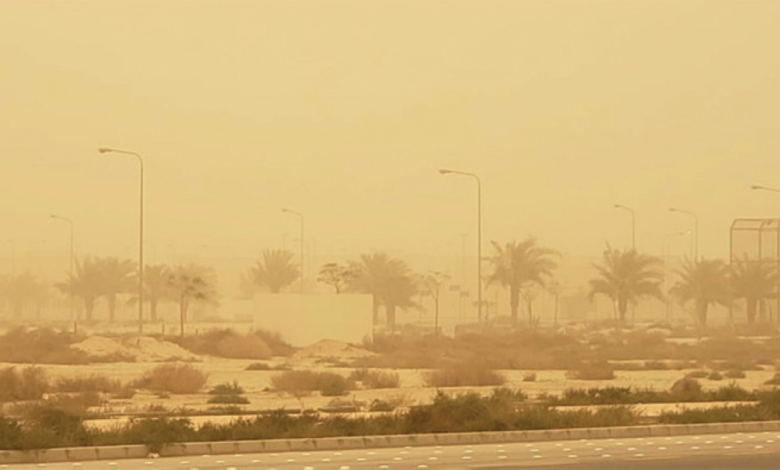

أصدر المركز الوطني للأرصاد تقريره اليومي بشأن حالة الطقس المتوقعة اليوم الثلاثاء في المملكة العربية السعودية، مشيراً إلى استمرار التقلبات الجوية التي تتسم بنشاط في الرياح السطحية وتدنٍ في مدى الرؤية الأفقية على عدة مناطق، وهو ما يستدعي أخذ الحيطة والحذر من قبل المواطنين والمقيمين، خاصة سالكي الطرق السريعة.
تفاصيل الحالة الجوية والرياح النشطة
أوضح التقرير أن الحالة الجوية تتسم بتأثير الرياح النشطة المثيرة للأتربة والغبار، مما يحد من مدى الرؤية الأفقية. وتشمل هذه الحالة أجزاء واسعة من مناطق الحدود الشمالية، الجوف، تبوك، حائل، القصيم، المدينة المنورة، والرياض. كما تمتد هذه التأثيرات لتشمل الأجزاء الشرقية من المرتفعات الغربية والجنوبية الغربية للمملكة. وتأتي هذه الحالة في سياق الطبيعة الجغرافية والمناخية للمملكة، حيث تساهم المساحات الصحراوية المفتوحة في سرعة تأثر الأجواء بالرياح السطحية التي تعمل على إثارة الغبار العالق، خاصة في الفترات الانتقالية بين الفصول.
تكون الضباب وتأثيره على الرؤية
وفي سياق متصل، نبه المركز إلى استمرار فرص تكون الضباب خلال ساعات الليل والصباح الباكر، مما يؤدي إلى تدنٍ حاد في الرؤية قد يصل إلى حد الانعدام أو شبه الانعدام. وتتركز هذه الحالة على أجزاء من مناطق مكة المكرمة، الباحة، عسير، وجازان، بالإضافة إلى الأجزاء الساحلية من المنطقة الشرقية. وتعد ظاهرة الضباب في هذه المناطق، لا سيما المرتفعات والمدن الساحلية، من الظواهر المتكررة نتيجة ارتفاع معدلات الرطوبة النسبية وتبريد سطح الأرض، مما يشكل تحدياً أمام حركة السير والمرور.
أهمية التحذيرات وتدابير السلامة
تكتسب هذه التقارير أهمية بالغة على المستويين المحلي والإقليمي، حيث تعتمد عليها الجهات المعنية مثل الدفاع المدني وأمن الطرق في توجيه التحذيرات اللازمة لضمان سلامة الأرواح والممتلكات. وينصح الخبراء في مثل هذه الأجواء بضرورة تخفيف السرعة أثناء القيادة، واستخدام المصابيح الأمامية المنخفضة في حالات الضباب، وتجنب المناطق المفتوحة أثناء نشاط الرياح والغبار لمرضى الجهاز التنفسي والربو، وذلك لتجنب المضاعفات الصحية الناتجة عن استنشاق الأتربة.
حالة البحر الأحمر والخليج العربي
وفيما يخص الحالة البحرية، أشار التقرير إلى أن حركة الرياح السطحية على البحر الأحمر ستكون جنوبية شرقية إلى جنوبية غربية بسرعة تتراوح بين 10 إلى 25 كم/ساعة، مع ارتفاع للموج يتراوح من نصف المتر إلى متر، وحالة بحر خفيف الموج. أما في الخليج العربي، فتكون الرياح جنوبية شرقية إلى جنوبية على الجزأين الشمالي والأوسط بسرعة 15-30 كم/ساعة، وشمالية غربية إلى غربية على الجزء الجنوبي بسرعة 10-25 كم/ساعة، مع ارتفاع للموج يصل إلى متر ونصف في بعض الأجزاء، وحالة بحر خفيف إلى متوسط الموج.