Weather warnings for Al-Jawf region
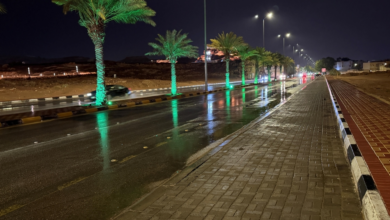
The National Center for Meteorology in Saudi Arabia issued urgent and important warnings regarding the continued unstable weather conditions in the northern parts of the Kingdom, specifically in the Al-Jawf region. The center explained in its periodic reports that the region is experiencing strong surface winds, accompanied by intense dust and sandstorms, which are directly impacting air quality and the daily commutes of citizens and residents.
Affected areas and weather details
According to details in the early warning system, the effects include the city of Sakaka, the region's administrative capital, as well as three major governorates: Dumat al-Jandal, Qurayyat, and Tabuk. Weather readings indicate that this dust storm will cause near-zero horizontal visibility, with visibility expected to range between 3 and 5 kilometers only. The center confirmed that this weather condition will continue, God willing, until 1:00 AM on Sunday, necessitating everyone's attention and vigilance.
The geographical and historical context of weather fluctuations
Historically, the Arabian Peninsula, particularly its northern regions like the Al-Jawf region with its desert landscape and open plains, has been known for its exposure to dust storms and strong winds, especially during the transitional periods between seasons. The open terrain plays a significant role in the rapid movement of dust-laden air masses. In recent years, the Kingdom has witnessed tremendous advancements in meteorological monitoring technologies, with the National Center for Meteorology transforming into an institution that relies on state-of-the-art satellites and numerical models. This has contributed to reducing risks by issuing early and accurate warnings, a significant improvement compared to previous decades that depended on traditional observation methods.
Local and regional influences
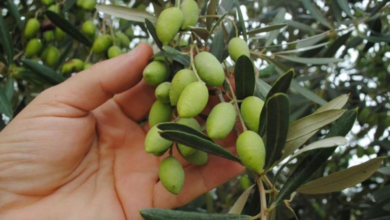
The significance of this weather event extends beyond climate change to include important economic and local impacts. Locally, Al-Jawf region is a vital food basket for the Kingdom, renowned for its millions of olive and date palm trees. While these trees are resilient to harsh conditions, strong winds necessitate that farmers take preventative measures to protect seasonal crops and irrigation systems. Regionally, Al-Jawf serves as the Kingdom's northern gateway and a major transit point for international overland freight to the Levant; therefore, reduced visibility may lead to temporary slowdowns in supply chains and logistics operations to ensure driver safety.
Safety and prevention guidelines
Under these weather conditions, relevant authorities such as the General Directorate of Civil Defense and the Ministry of Health are working together to provide necessary guidance. Citizens and residents, especially those with chronic respiratory conditions such as asthma or allergies, are advised to stay indoors and avoid direct exposure to dust. They are also urged to wear face masks if they absolutely must go out. Drivers on highways are urgently advised to exercise extreme caution, maintain safe distances between vehicles, and use fog lights to prevent traffic accidents.