
أصدر المركز الوطني للأرصاد في المملكة العربية السعودية تنبيهاً هاماً مساء الجمعة، محذراً من تقلبات جوية ستشهدها منطقة الجوف، تتمثل في هبوب رياح نشطة وإثارة للأتربة والغبار، مما يستدعي أخذ الحيطة والحذر من قبل المواطنين والمقيمين وسالكي الطرق السريعة.
تفاصيل الحالة الجوية على منطقة الجوف
أوضح المركز في تقريره الرسمي أن الحالة الجوية المتوقعة ستبدأ تأثيراتها المباشرة من الساعة التاسعة صباحاً وتستمر حتى الساعة السادسة من مساء يوم السبت. وتشمل هذه الحالة مدينة سكاكا، بالإضافة إلى ثلاث محافظات رئيسية أخرى هي: دومة الجندل، والقريات، وطبرجل.
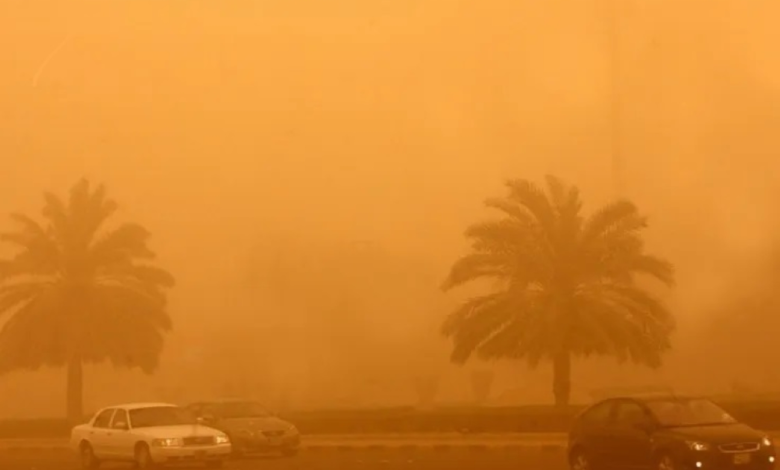
وتشير التوقعات الواردة من المركز الوطني للأرصاد إلى أن هذه المناطق ستشهد نشاطاً ملحوظاً في الرياح السطحية، مما يؤدي إلى إثارة الأتربة والغبار، وهو ما سيتسبب في شبه انعدام في مدى الرؤية الأفقية، حيث يتوقع أن يتراوح مدى الرؤية ما بين (1) إلى (3) كيلومترات فقط في المناطق المفتوحة وعلى الطرق السريعة.
السياق الجغرافي والمناخي للمنطقة
تكتسب هذه التحذيرات أهمية خاصة نظراً للطبيعة الجغرافية لمنطقة الجوف الواقعة شمال المملكة. حيث تتميز المنطقة بمساحاتها الصحراوية المفتوحة، مما يجعلها عرضة لتأثير الرياح النشطة التي تعمل بسرعة على حمل الأتربة والرمال، مشكلة موجات غبارية قد تعيق الحركة المرورية والحياة اليومية. وتعتبر هذه الظواهر الجوية جزءاً من السمات المناخية للمناطق الشمالية، خاصة خلال فترات الانتقال بين الفصول أو عند تأثر المنطقة بمرتفعات أو منخفضات جوية عابرة.
تأثيرات الحالة وأهمية الالتزام بالتعليمات
تنعكس آثار هذه الحالة الجوية بشكل مباشر على عدة قطاعات، أهمها قطاع النقل والمواصلات. ونظراً لأن المحافظات المذكورة (القريات، طبرجل، دومة الجندل) ترتبط بشبكة طرق سريعة ومحورية، فإن انخفاض الرؤية الأفقية يشكل تحدياً لسالكي هذه الطرق. لذا، يُنصح دائماً في مثل هذه الأجواء باتباع إرشادات السلامة المرورية، مثل ترك مسافة كافية بين المركبات، واستخدام الإشارات التحذيرية، وتجنب السرعة الزائدة.
وعلى الصعيد الصحي، تؤثر الأتربة المثارة عادة على مرضى الجهاز التنفسي والربو والحساسية. وتوصي الجهات الصحية عادةً في مثل هذه الظروف بضرورة البقاء في الأماكن المغلقة قدر الإمكان، وارتداء الكمامات عند الخروج للضرورة، لتقليل استنشاق الغبار وتجنب المضاعفات الصحية.
دور المركز الوطني للأرصاد
يأتي هذا التنبيه في إطار الجهود المستمرة التي يبذلها المركز الوطني للأرصاد لمراقبة الطقس وإصدار الإنذارات المبكرة، بهدف حماية الأرواح والممتلكات. ويدعو المركز الجميع إلى متابعة تقاريره المحدثة عبر قنواته الرسمية وتطبيقاته الإلكترونية للحصول على أدق المعلومات حول تطورات الحالة الجوية.