The National Center for Plant Pest and Animal Disease Prevention and Control (Wiqa’) in Saudi Arabia has announced a new strategic step aimed at protecting the nation’s plant resources. This involves adopting updated and comprehensive lists of quarantine and non-quarantine pests subject to regulations in the Kingdom. This decision is part of ongoing efforts to enhance plant health and improve preparedness to address biological challenges that may threaten the agricultural sector.
Context of the decision and its strategic importance
This update to the lists comes at a time when Saudi Arabia is undergoing major transformations in its agricultural sector as part of its Vision 2030 goals, which focus on achieving food security and the sustainability of natural resources. Agricultural quarantine measures are the first line of defense against the introduction of transboundary pests and diseases, which can cause significant economic losses and impact biodiversity. This update reflects the Kingdom's commitment to international plant health standards, facilitating the safe trade of agricultural products and enhancing global market confidence in Saudi produce.
Updated pest list details
The center explained that the new lists were prepared based on rigorous scientific studies assessing risks, and included detailed classifications of insects, mites, fungi, viruses, and other plant diseases. The pests were divided into quarantine and non-quarantine categories to facilitate monitoring and control.
The most prominent insect pests listed are:
- Fruit flies: The list included dangerous species such as sapodilla fruit flies, guava fruit flies, Caribbean fruit flies, and mango fruit flies.
- Beetles and weevils: These included the longhorn beetle, the pepper weevil, the red-necked longhorn beetle, and the Colorado potato beetle.
- Field crop pests: such as the apple stem borer, corn leafhopper, corn spikeworm, as well as the Japanese strawberry moth.
Fungal and viral diseases:
The lists also focused on microscopic pathogens that are difficult to detect with the naked eye, including:
- Fungi: such as Rhizoctonia solani , Pythium spp ., and Fusarium xylarioides .
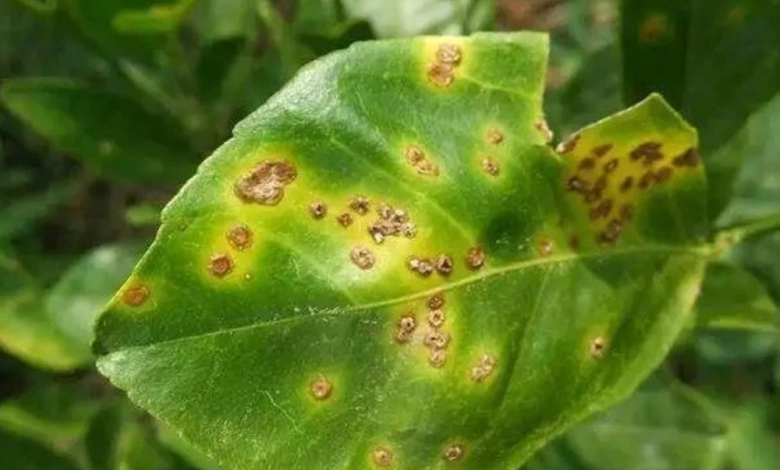
- Viruses: These included viruses that threaten strategic crops such as citrus mosaic virus, tomato leaf curl virus, tomato contagious yellow virus, and citrus variegation virus.
- Other diseases: such as citrus blight, citrus leprosy, and coconut cading virus.
Expected economic and environmental impact
The implementation of these lists is expected to reduce agricultural losses due to disease infestations, thus supporting the economic viability of farmers and agricultural companies. Strict enforcement of these regulations will also help protect the local environment from invasive species that could disrupt the ecological balance. The Weqaa Center confirmed that the new lists will be binding on all relevant authorities immediately upon publication of the decision in the Official Gazette, replacing all previously applicable lists. The center urged everyone to adhere to them to ensure the sustainability of agricultural production in the Kingdom.