
مقدمة: تحذير عاجل من مركز وقاء
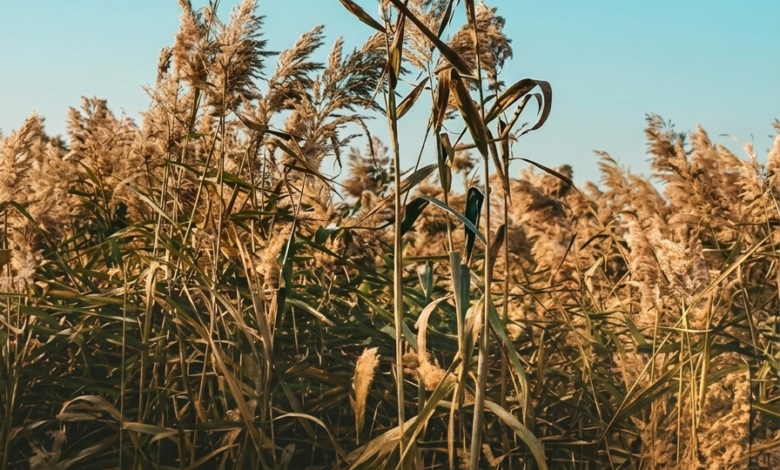
أصدر المركز الوطني للوقاية من الآفات النباتية والأمراض الحيوانية ومكافحتها “وقاء” تحذيراً هاماً للمزارعين والمهتمين بالبيئة حول نبتة “القصب” (Phragmites australis)، والتي تُعرف في بعض المناطق بالحلفاء. وتُعد هذه النبتة من الأعشاب المعمرة سريعة النمو والانتشار، مما يستدعي تدخلاً مبكراً للحد من آثارها السلبية على البيئة والنشاط الزراعي في المملكة العربية السعودية.
السياق العام والخلفية التاريخية لنبتة القصب
تاريخياً، تُعد نبتة القصب من النباتات واسعة الانتشار عالمياً، حيث تتواجد في مختلف القارات وتنمو بكثافة في الأراضي الرطبة، والمستنقعات، وعلى ضفاف الأنهار والوديان. ورغم استخداماتها القديمة في البناء التقليدي وصناعة الحصير، إلا أنها تُصنف اليوم في العديد من الدول كواحدة من أشرس النباتات الغازية. تمتلك هذه النبتة قدرة فائقة على التكيف مع الظروف البيئية القاسية، مما يجعلها تحدياً كبيراً للأنظمة البيئية الحديثة، خاصة في المناطق التي تعاني من شح المياه.
الخصائص النباتية وقدرتها على التكيف
أوضح مركز “وقاء” أن نبتة القصب تتميز بخصائص شكلية تجعل من السهل التعرف عليها؛ فهي تمتلك سيقاناً طويلة قائمة قد تصل لعدة أمتار، وأوراقاً خطية عريضة. كما تبرز أزهارها الريشية الكبيرة التي يتدرج لونها من البنفسجي إلى البني عند اكتمال النضج. وتكمن خطورة هذه النبتة في شبكة جذورها العميقة (الرايزومات) التي تمتد لمسافات طويلة تحت الأرض، مما يمنحها قدرة عالية على تحمل الظروف البيئية المختلفة، ويسهم في انتشارها الواسع والسريع حتى في التربة الفقيرة.
أهمية الحدث وتأثير النبتة محلياً ودولياً
على المستوى المحلي والإقليمي، يشكل انتشار نبتة القصب تهديداً مباشراً للموارد المائية، حيث تستهلك كميات هائلة من المياه، مما يؤثر على المخزون المائي المتاح للمحاصيل الزراعية الاستراتيجية. كما أنها تنافس النباتات المحلية على الغذاء والضوء، مما يخل بالتوازن البيئي والغطاء النباتي. وعلى المستوى الدولي، تُسجل هذه النبتة كعامل رئيسي في تغيير هيدرولوجية الأراضي الرطبة وزيادة مخاطر الحرائق بسبب تراكم أوراقها وسيقانها الجافة بكثافة. ورغم تأكيد المركز أن آثارها الجانبية لا تشكل ضرراً مباشراً على صحة الإنسان، إلا أن السيطرة عليها تعد ضرورة حتمية لحماية التنوع البيولوجي.
طرق الانتشار وآليات المكافحة المتكاملة
أشار “وقاء” إلى أن نبتة القصب تعتمد على آليات متعددة للانتشار؛ أبرزها البذور التي تنتقل بسهولة فائقة بفعل الرياح والمياه، خاصة على امتداد المجاري المائية. كما تنتقل عبر الجذور والرايزومات التي قد تتجزأ وتنمو من جديد. ولا يمكن إغفال دور الأنشطة الزراعية في نقلها من موقع إلى آخر عبر المعدات والآلات غير المنظفة.
ولمواجهة هذا التحدي، أكد المركز على أهمية تطبيق برامج المكافحة المتكاملة. يشمل ذلك الاعتماد على الإزالة اليدوية والميكانيكية باستخدام أدوات مخصصة لاقتلاع الجذور بالكامل، إلى جانب الاستخدام المقنن للمبيدات العشبية المناسبة والجهازية مثل “جلايفوسات” (Glyphosate). ويجب أن يتم ذلك وفق الإرشادات المعتمدة من الجهات المختصة، مع ضرورة تكرار المعالجة عند الحاجة لضمان القضاء التام عليها.
دعوة للتعاون والاستدامة البيئية
في الختام، دعا مركز “وقاء” جميع المزارعين والمهتمين بالشأن البيئي إلى المتابعة المستمرة للإرشادات الفنية الصادرة عنه، وتطبيق أفضل الممارسات الزراعية للحد من انتشار هذه النبتة الغازية. إن تضافر الجهود في هذا المجال يسهم بشكل فعال في حماية الموارد الطبيعية، وتعزيز استدامتها بما يتوافق مع الرؤية الوطنية لحماية البيئة والقطاع الزراعي.