A protective treatment that safeguards Al-Jumoum tomatoes from brown wrinkle virus is available at a specialized workshop

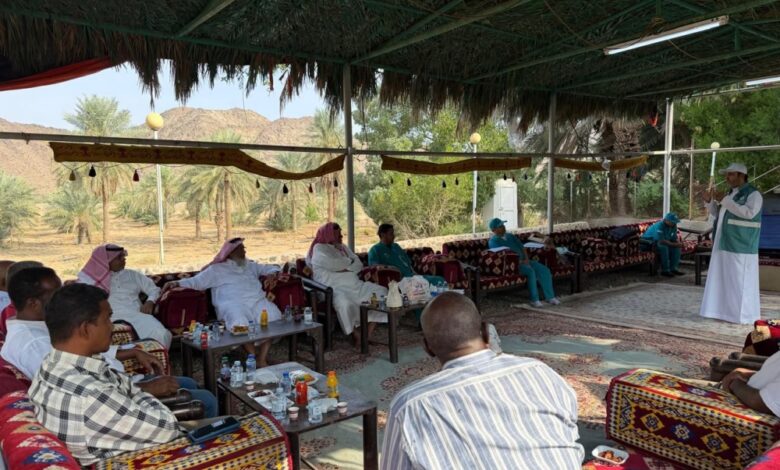
As part of its ongoing efforts to enhance biosecurity and protect plant resources in the Kingdom of Saudi Arabia, the National Center for Plant Pest and Animal Disease Prevention and Control (Wiqa’) in the Makkah region organized a specialized workshop in Al-Jumum Governorate, targeting tomato farmers and specialists in the agricultural sector.
This step came in response to the challenges posed by the Tomato Brown Curl Virus (ToBRFV), which is one of the most dangerous viral pests threatening the productivity of this strategic crop worldwide, thus requiring urgent preventive action to protect local crops.
Awareness and proactive intervention
The workshop focused primarily on raising farmers' awareness of preventative measures, with experts from the center providing a detailed explanation of the nature of the virus and its rapid spread. The negative economic impacts of an outbreak were also discussed, including a sharp decline in production and a deterioration in fruit quality, rendering it unmarketable and resulting in significant financial losses for farmers.
The workshop included a presentation of a detailed map showing the most prominent visible symptoms of the disease, such as color and structural abnormalities on fruits and leaves, to enable farmers to detect the infection early, which is the crucial factor in controlling disease hotspots before they spread.
Control strategies and food security
The event wasn't limited to theoretical discussions; it also included the presentation of a set of strict preventative measures and internationally recognized protocols to limit the spread of the virus. Experts discussed the importance of sterilizing agricultural tools, using virus-free seeds and seedlings, and controlling the movement of workers within greenhouses to prevent the mechanical transmission of infection.
These moves are of paramount strategic importance in light of the Kingdom's drive towards achieving food security and self-sufficiency in basic crops, in accordance with Vision 2030. Tomatoes are among the most important vegetables consumed locally, so protecting them from transboundary pests is a national priority to ensure the sustainability of food supply chains.
Field interaction and knowledge empowerment
The workshop witnessed broad interaction and open discussions, during which experts from the Waqaa Center answered farmers' inquiries and provided precise technical recommendations to correct some incorrect agricultural practices that may contribute to the spread of pests. This activity is part of the Waqaa Center's commitment to empowering farmers with knowledge and technology, and to raising the quality of local crops to ensure they are safe and healthy for consumers, thereby enhancing the efficiency of the Saudi agricultural sector and its ability to withstand environmental and disease challenges.