
“وقاية” تؤكد الجاهزية التامة لموسم الحج وتتابع التطورات الوبائية العالمية
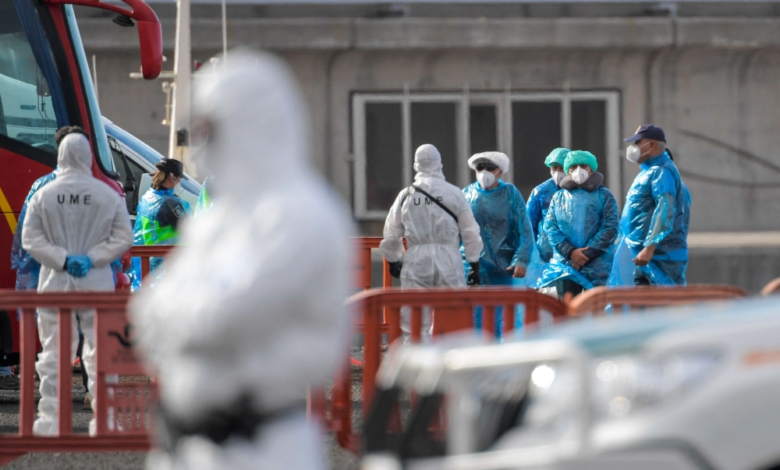
تواصل هيئة الصحة العامة “وقاية” في المملكة العربية السعودية، بالتنسيق المستمر مع منظمة الصحة العالمية والجهات الصحية الدولية، متابعة أحدث المستجدات المتعلقة بتفشي فيروس “إيبولا” في جمهورية الكونغو الديمقراطية وأوغندا، بالإضافة إلى رصد التطورات العالمية المرتبطة بفيروس “هانتا”. وتأتي هذه الجهود الحثيثة لتؤكد أن منظومة الترصد الوبائي في المملكة تعمل بأعلى درجات الكفاءة والجاهزية للتعامل مع أي مخاطر صحية محتملة، مما يضمن حماية صحة المواطنين والمقيمين، ويوفر بيئة آمنة لضيوف الرحمن خلال موسم الحج.
السياق التاريخي لفيروسي إيبولا وهانتا
تاريخياً، تم اكتشاف فيروس “إيبولا” لأول مرة عام 1976 بالقرب من نهر إيبولا في جمهورية الكونغو الديمقراطية. ويُعد الفيروس من الأمراض شديدة العدوى التي تسبب حمى نزفية حادة. وقد أعلنت منظمة الصحة العالمية في عدة مناسبات سابقة، وتحديداً في عام 2019، أن تفشي الفيروس يمثل “حالة طوارئ صحية عامة تثير قلقاً دولياً” وفقاً للوائح الصحية الدولية. أما فيروس “هانتا”، فهو مرض فيروسي ينتقل غالباً عبر القوارض، ورغم أن انتقاله بين البشر يُعد نادراً جداً، إلا أن السلطات الصحية العالمية تضعه تحت المراقبة المستمرة لضمان عدم تحوره أو انتشاره. وتُصنف “وقاية” فيروس هانتا ضمن المخاطر المنخفضة جداً على المملكة وموسم الحج.
أهمية الترصد الوبائي وتأثيره الإقليمي والدولي
تكتسب هذه الإجراءات الاستباقية أهمية كبرى على الصعيدين الإقليمي والدولي، خاصة وأن المملكة العربية السعودية تستضيف سنوياً ملايين الحجاج والمعتمرين من شتى بقاع الأرض. إن إدارة الحشود المليونية تتطلب نظاماً صحياً صارماً ومتقدماً لمنع وفادة أي أمراض معدية. وقد أثبتت المملكة نجاحها الباهر في إدارة الأزمات الصحية العالمية السابقة، مما جعل تجربتها في “طب الحشود” والتجمعات البشرية الضخمة نموذجاً يُحتذى به عالمياً. إن الحفاظ على الأمن الصحي خلال موسم الحج لا يحمي الداخل السعودي فحسب، بل يمنع انتقال الأوبئة إلى دول العالم عند عودة الحجاج إلى أوطانهم.
تشديد الإجراءات الاحترازية في المنافذ
بناءً على المراجعات الدورية وتقييم المخاطر، أبقت السلطات السعودية على الإجراءات الاحترازية الصارمة التي تم تفعيلها منذ يوليو 2019، والتي شملت إيقاف منح تأشيرات الدخول للقادمين من المناطق الموبوءة. كما تم تشديد الرقابة على المسافرين القادمين من الدول المجاورة لمناطق التفشي، والتي تشمل: أوغندا، جنوب السودان، رواندا، بوروندي، تنزانيا، وجمهورية الكونغو (برازافيل) التي لم تُسجل فيها أي حالات حتى الآن.
وفي سياق تعزيز الجاهزية، رفعت وزارة الصحة وهيئة “وقاية” مستوى الاستجابة في جميع منافذ الدخول (البرية، البحرية، والجوية). وتم تفعيل فرق الاستجابة السريعة، وتكثيف حملات التوعية والإرشاد الصحي للمسافرين. كما تم التأكد من جاهزية المستشفيات والمراكز الصحية للتعامل مع أي حالات اشتباه وفق البروتوكولات الطبية المعتمدة، مع تفعيل المراقبة الوبائية اليومية لمقار سكن الحجاج.
رسالة طمأنة لضيوف الرحمن
في ختام تقاريرها، وجهت هيئة الصحة العامة “وقاية” رسالة طمأنة واضحة للمواطنين والمقيمين وحجاج بيت الله الحرام، مؤكدة أنه لم يتم تسجيل أي حالات مؤكدة أو مشتبه بها لأي من هذه الفيروسات داخل المملكة. وأوضحت أن الوضع الصحي العام لضيوف الرحمن مطمئن ومستقر، ويخضع لمتابعة دقيقة على مدار الساعة. وتستمر الهيئة في التنسيق المتكامل مع كافة الجهات المختصة محلياً ودولياً، متخذة كافة التدابير الوقائية التي تقتضيها تطورات الوضع الوبائي العالمي، لضمان أداء الحجاج لمناسكهم في بيئة صحية وآمنة تماماً.