
في إطار حرص المملكة العربية السعودية على سلامة المواطنين والمقيمين وضيوف الرحمن، تواصل هيئة الصحة العامة “وقاية” متابعتها الحثيثة والمستمرة لتطورات الأمراض المعدية على الساحة الدولية. وبالتنسيق مع منظمة الصحة العالمية والمنظمات الصحية الدولية الأخرى، تراقب الهيئة عن كثب مستجدات تفشي فيروس “إيبولا” في كل من جمهورية الكونغو الديمقراطية وأوغندا، بالإضافة إلى التطورات العالمية المتعلقة بفيروس “هانتا”. وتأتي هذه الجهود لتؤكد أن منظومة الترصد الوبائي في المملكة تعمل بأقصى درجات الجاهزية والكفاءة للتعامل مع أي مخاطر صحية محتملة، خاصة مع اقتراب موسم الحج.
السياق التاريخي لتفشي فيروسي إيبولا وهانتا
يُعد فيروس إيبولا واحداً من أشد الفيروسات فتكاً، حيث اكتُشف لأول مرة في عام 1976 بالقرب من نهر إيبولا في جمهورية الكونغو الديمقراطية. ومنذ ذلك الحين، شهدت القارة الأفريقية عدة موجات من التفشي، كان أبرزها وأكثرها تدميراً تفشي غرب أفريقيا بين عامي 2014 و2016. وفي يوليو 2019، أعلنت منظمة الصحة العالمية تفشي إيبولا في الكونغو الديمقراطية كحالة طوارئ صحية عامة تثير قلقاً دولياً. من ناحية أخرى، تنتقل فيروسات “هانتا” بشكل رئيسي عن طريق القوارض، وتسبب متلازمات تنفسية أو كلوية خطيرة. وعلى الرغم من خطورتها، إلا أن انتقالها بين البشر نادر جداً، مما يجعل تقييم مخاطرها على المستوى الدولي، وفي سياق التجمعات البشرية الكبيرة، منخفضاً نسبياً مقارنة بالأمراض سريعة العدوى.
أهمية الحدث وتأثيره على المستويين المحلي والدولي
تكتسب هذه الإجراءات الاستباقية أهمية بالغة بالنظر إلى مكانة المملكة العربية السعودية كوجهة لملايين المسلمين الذين يتوافدون سنوياً لأداء فريضة الحج. إن إدارة التجمعات البشرية الضخمة تتطلب نظاماً صحياً يقظاً وقادراً على منع وفادة الأمراض المعدية. وتاريخياً، أثبتت المملكة نجاحاً باهراً في حماية ضيوف الرحمن من الأوبئة العالمية، مثلما حدث خلال جائحة كورونا (كوفيد-19) وتفشي فيروس كورونا المسبب لمتلازمة الشرق الأوسط التنفسية (MERS). إن تشديد الرقابة الصحية لا يحمي الداخل السعودي فحسب، بل يمثل صمام أمان للأمن الصحي العالمي، حيث يمنع انتقال أي عدوى محتملة وعودتها مع الحجاج إلى بلدانهم الأصلية.
تشديد الإجراءات الاحترازية في المنافذ
أوضحت هيئة الصحة العامة “وقاية” أن الإجراءات الاحترازية المتعلقة بتفشي إيبولا في الكونغو الديمقراطية لا تزال سارية منذ يوليو 2019، حيث تم إيقاف منح تأشيرات الدخول للقادمين من المناطق الموبوءة. وبناءً على المراجعات الدورية وتقييم المخاطر المستمر، تم الإبقاء على هذه التدابير وتوسيع نطاقها لتشمل تشديد الرقابة على القادمين من الدول المجاورة لمناطق التفشي، مثل: أوغندا، جنوب السودان، رواندا، بوروندي، تنزانيا، وجمهورية الكونغو (برازافيل)، علماً بأن الأخيرة دولة مستقلة ولم تسجل أي حالات إصابة حتى الآن.
رفع مستوى الاستجابة خلال موسم الحج
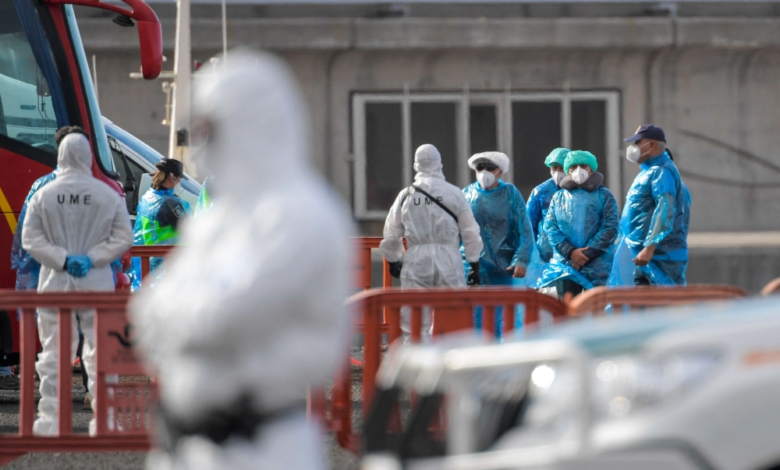
لضمان أعلى مستويات الأمان، رفعت المملكة مستوى الاستجابة في جميع منافذ الدخول. وشمل ذلك تفعيل فرق الاستجابة الصحية السريعة، وتكثيف برامج التوعية والإرشادات الصحية للمسافرين القادمين من المناطق المتأثرة. كما تم التأكد من الجاهزية التامة للمنشآت الصحية للتعامل مع أي حالات اشتباه وفقاً للبروتوكولات الطبية المعتمدة دولياً. ويرافق ذلك تفعيل المراقبة الوبائية اليومية لمقار سكن الحجاج القادمين من الدول المجاورة لمناطق الخطر.
رسالة طمأنة لضيوف الرحمن
فيما يخص فيروس “هانتا”، أكدت الهيئة بالتنسيق مع الجهات المعنية أن الفيروس يُصنف ضمن المخاطر المنخفضة جداً على المملكة وموسم الحج. ووجهت “وقاية” رسالة طمأنة واضحة للمواطنين والمقيمين وحجاج بيت الله الحرام، مؤكدة أنه لم تُسجل أي حالات مؤكدة أو مشتبه بها لأي من الفيروسين داخل المملكة. الوضع الصحي العام لضيوف الرحمن مطمئن ومستقر، ويخضع لمراقبة دقيقة على مدار الساعة. وتلتزم المملكة باتخاذ كافة التدابير الصحية اللازمة وفق ما تقتضيه تطورات الوضع الوبائي العالمي، لضمان أداء الحجاج لمناسكهم في بيئة صحية وآمنة تماماً.