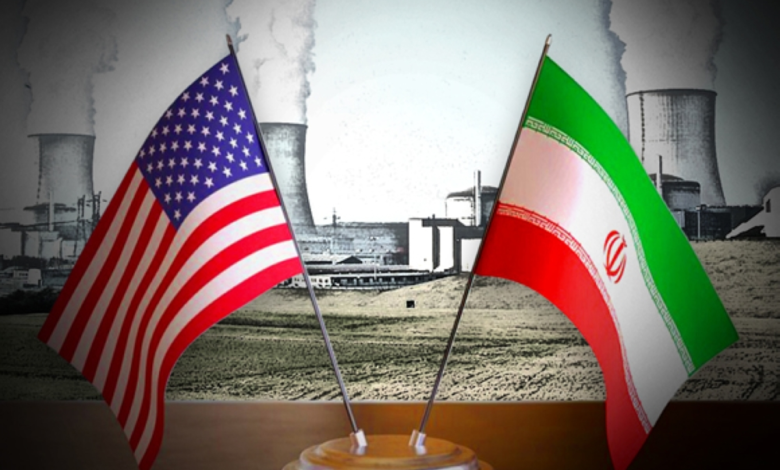

The White House confirmed in an official statement that diplomatic channels and anticipated talks with Tehran remain open and on the agenda, despite the recent military escalation represented by the US military's announcement that it shot down an Iranian drone over the Arabian Sea. This announcement underscores the current US administration's strategy of balancing military deterrence with diplomatic engagement.
Details of the American position and the anticipated talks
White House spokeswoman Caroline Leavitt stated that the planned meetings between U.S. Special Envoy Steve Wittkopf and Iranian officials remain unchanged and are scheduled to take place later this week. Speaking to Fox News, Leavitt clarified that these talks "remain on schedule at this time," noting that President Donald Trump is pursuing a diplomacy-first approach while simultaneously keeping all options open, including the use of military force, to ensure U.S. national security and protect strategic interests in the region.
According to informed sources, Türkiye is likely to host this crucial meeting next Friday, reflecting Ankara's growing role as a regional mediator in the thorny issues between Western powers and the Islamic Republic.
Field tensions: Arabian Sea incident
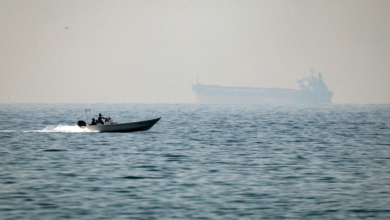
These political statements come amid an escalation on the ground, with a US military spokesman announcing that an F-35 fighter jet successfully intercepted and shot down an Iranian drone on Tuesday. According to the US account, the drone approached a US aircraft carrier in a "hostile" and dangerous manner as it sailed in the Arabian Sea toward the Persian Gulf, a vital waterway for global trade and energy supplies.
Context of events and strategic importance
This incident cannot be separated from the broader context of the highly complex US-Iranian relationship. Historically, the region has witnessed similar incidents that have often led to an escalation in political rhetoric or the imposition of new economic sanctions. However, Washington's insistence on proceeding with talks despite the incident indicates a genuine desire to test Iranian intentions and attempt to reach understandings that could alleviate tensions in the Middle East.
This trend carries significant implications both regionally and internationally. Regionally, the Gulf states are cautiously awaiting the outcome of these talks, given their direct impact on maritime security and regional stability. Internationally, the success of this diplomatic track could avert a new energy crisis or an open military conflict in an already unstable region.
Tehran is currently facing a double pressure, represented by the harsh US economic sanctions and the internal pressures resulting from the protests and unrest that the country has recently witnessed, making these talks a crucial opportunity for both sides to determine the course of future relations, whether towards de-escalation or further escalation.