White House: Deploying European troops to Greenland will not stop Trump's ambitions

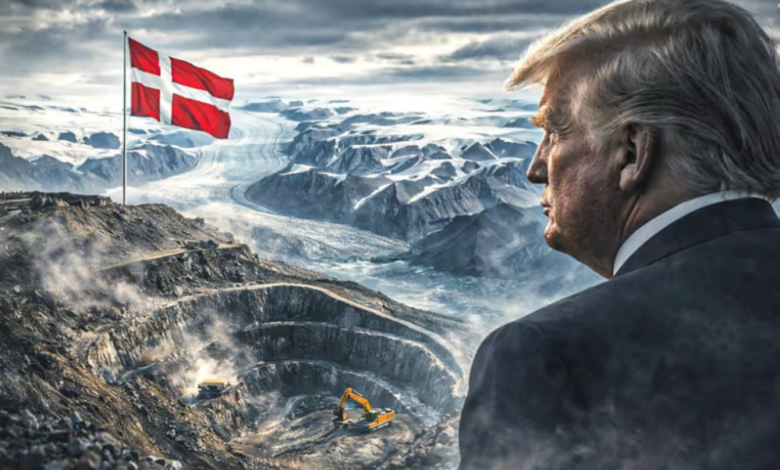
The White House on Thursday announced a firm stance on recent European military moves in the Arctic, asserting that the deployment of European forces to Greenland has little impact on US President Donald Trump’s strategic plans to extend control over the island, which belongs to the Danish crown.
At a press conference, White House spokeswoman Caroline Leavitt stated, "I don't believe that deploying troops to Europe affects the president's decision-making process in any way, nor does it affect his goal of annexing Greenland." This statement comes at a time of escalating geopolitical tensions surrounding the resource-rich Arctic region.
Historical background: Renewed American ambition
President Trump's desire to buy or control Greenland is not a recent development. The issue had already sparked considerable controversy during his first term in 2019 when he proposed purchasing the island, a move that was met with staunch rejection from the Danish government and its Prime Minister, Mette Frederiksen, who described the idea at the time as "absurd." It is worth noting that American interest in the island dates back to the mid-20th century, when the administration of President Harry Truman offered to buy it in 1946 for $100 million worth of gold, given its vital strategic location.
The strategic and economic importance of the event
Greenland is gaining increasing importance in international politics for several fundamental reasons that go beyond its geographical size:
- Military site: The island is home to the US Thule Air Base, the northernmost US military base, which plays a pivotal role in the missile early warning system and space surveillance.
- Natural resources: As the ice melts as a result of climate change, the island's latent wealth of rare earth minerals, oil, and gas has become more extractable, making it a major economic target for superpowers, including China.
- Shipping routes: Melting ice opens up new shipping routes that shorten distances between continents, enhancing the island's logistical value.
Repercussions of the situation on international relations
The White House's insistence on its position, despite European moves to bolster sovereignty over Greenland, suggests the potential for renewed diplomatic tensions between Washington and its European NATO allies. While Europe seeks to assert that Greenland is an integral part of European security, the US administration views control of the island as essential to American national security in the face of growing Russian and Chinese influence in the Arctic. This divergence in perspectives could place the issue of Greenland's sovereignty at the forefront of the foreign policy agenda in the coming period.