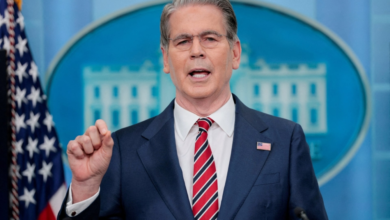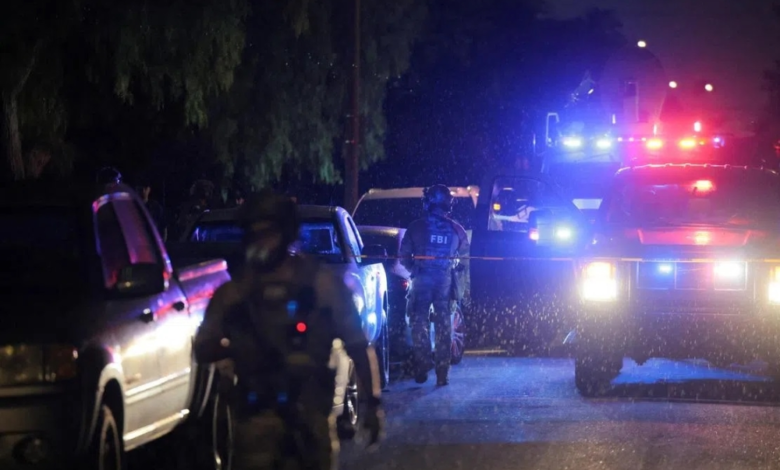

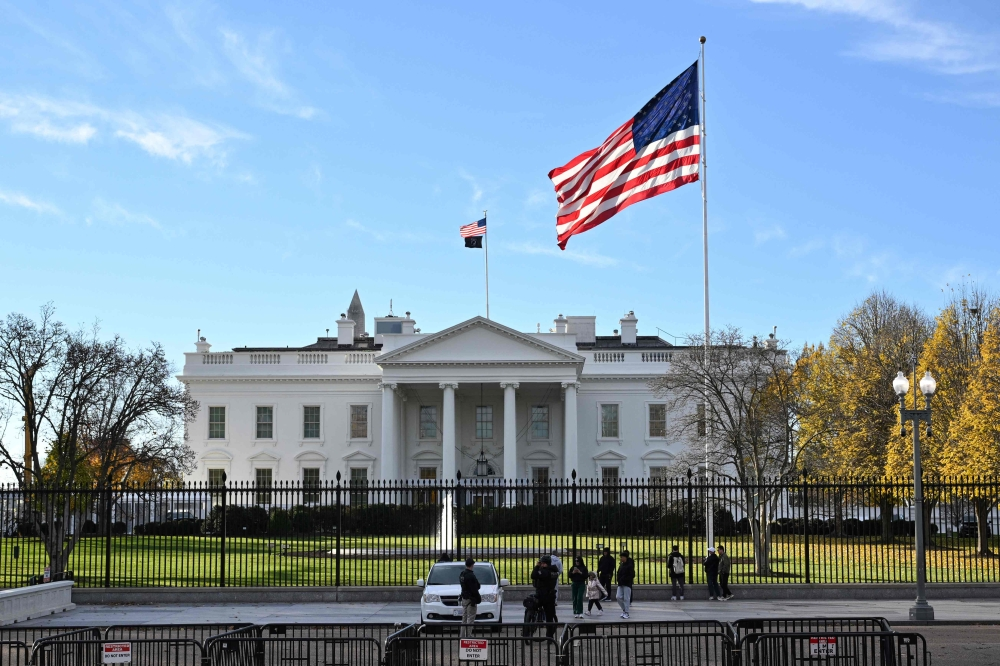
شهدت العاصمة الأمريكية واشنطن حالة من الاستنفار الأمني غير المسبوق مساء يوم السبت، حيث انتشرت قوات الشرطة والخدمة السرية بكثافة في المحيط الخارجي للبيت الأبيض. جاء هذا التحرك العاجل إثر سماع دوي إطلاق نار في المنطقة المجاورة للمقر الرئاسي، مما استدعى تفعيل بروتوكولات الطوارئ القصوى لحماية أمن وسلامة من في الداخل، وعلى رأسهم الرئيس الأمريكي دونالد ترامب الذي كان متواجداً في مكتبه يباشر مهامه الرسمية.
تفاصيل الحادثة واستجابة الخدمة السرية
ووفقاً لتقارير ميدانية نقلتها وكالة فرانس برس، فقد سارعت السلطات الأمنية إلى فرض طوق أمني محكم حول كافة مداخل ومخارج البيت الأبيض. وفي مشهد يعكس حجم التوتر، منعت قوات الحرس الوطني الصحفيين والمراسلين من الاقتراب أو دخول المنطقة المحظورة. وقد عاش الصحفيون الذين كانوا متواجدين في الحديقة الشمالية (North Lawn) لحظات من الرعب، حيث أكدوا عبر حساباتهم على منصة إكس (تويتر سابقاً) أنهم تلقوا أوامر صارمة ومباشرة من عناصر الأمن بالركض فوراً واللجوء إلى غرفة الإحاطة الصحفية داخل البيت الأبيض للاحتماء من أي خطر محتمل.
السياق السياسي: مفاوضات حساسة مع إيران
وتكتسب هذه الحادثة أهمية بالغة نظراً للتوقيت الحساس الذي وقعت فيه. فقد كان الرئيس دونالد ترامب متواجداً داخل البيت الأبيض في تلك اللحظات، منخرطاً في عمل دؤوب ومفاوضات بالغة التعقيد بشأن التوصل إلى اتفاق مع إيران. ومن المعروف تاريخياً أن العلاقات الأمريكية الإيرانية شهدت منعطفات حادة، خاصة بعد انسحاب واشنطن من الاتفاق النووي في عام 2018 وتطبيق سياسة الضغوط القصوى. إن انشغال الإدارة الأمريكية بترتيبات أو اتفاقيات جديدة مع طهران يمثل حدثاً جيوسياسياً من الطراز الأول، مما يجعل أي تهديد أمني لمقر الرئاسة في هذا التوقيت محط أنظار العالم بأسره.
الإجراءات الأمنية وتاريخ حماية البيت الأبيض
من الناحية التاريخية، يمتلك البيت الأبيض بروتوكولات أمنية صارمة تديرها الخدمة السرية الأمريكية (Secret Service)، وهي الوكالة الفيدرالية المكلفة بحماية الرئيس وكبار المسؤولين. عند حدوث أي خرق أمني أو إطلاق نار في المحيط، يتم إغلاق المبنى بالكامل (Lockdown)، وتُقيد الحركة بشكل تام. تدخل قوات الحرس الوطني كقوة داعمة لضمان تأمين المحيط الخارجي للعاصمة واشنطن، وهو ما يفسر الانتشار السريع والمنع الفوري لأي تحركات غير مصرح بها.
التداعيات والتأثير المتوقع
على الصعيد المحلي، يؤدي هذا النوع من الحوادث إلى إرباك الحركة في وسط العاصمة واشنطن، ويثير تساؤلات مستمرة حول كفاءة الحواجز الأمنية المحيطة بالمنطقة الخضراء. أما على الصعيدين الإقليمي والدولي، فإن أي تهديد يمس سلامة صانع القرار الأمريكي، خاصة أثناء إدارته لملفات دولية شائكة كالملف الإيراني، يبعث برسائل قلق للأسواق العالمية والحلفاء الاستراتيجيين. استقرار البيت الأبيض هو انعكاس لاستقرار السياسة الخارجية الأمريكية، وأي اهتزاز أمني قد يُقرأ على أنه محاولة للتشويش على مسار المفاوضات أو التأثير على القرارات السيادية للولايات المتحدة.