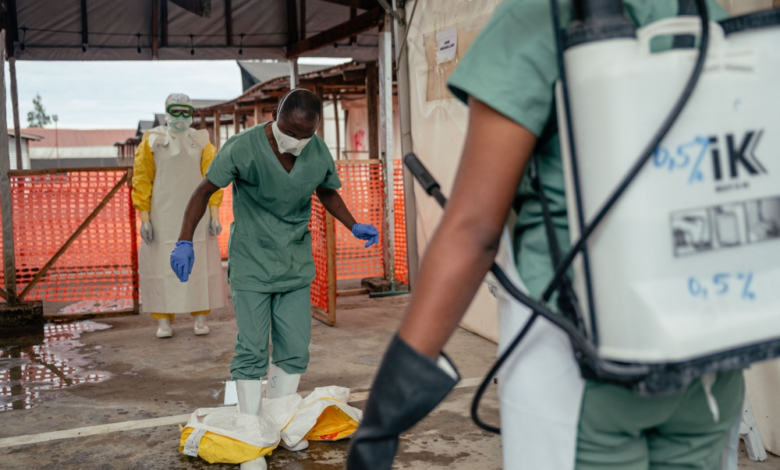

أقرت منظمة الصحة العالمية بأن جهود الاستجابة الدولية والمحلية لمواجهة تفشي فيروس إيبولا الأخير في وسط أفريقيا كانت متأخرة، مما سمح للفيروس بالانتشار على نطاق واسع. وفي تصريح يعكس خطورة الموقف، قال المدير العام للمنظمة، تيدروس أدهانوم غيبريسوس، للصحفيين في جنيف: «ما زلنا متأخرين»، مؤكداً أن الجهود الحالية بدأت في احتواء الوضع تدريجياً، لكن الطريق لا يزال طويلاً وشاقاً.
ويأتي هذا الاعتراف في سياق تاريخ طويل لجمهورية الكونغو الديمقراطية مع فيروس إيبولا، الذي اكتُشف لأول مرة عام 1976 بالقرب من نهر إيبولا الذي يحمل الفيروس اسمه. وقد واجهت البلاد العديد من موجات التفشي منذ ذلك الحين، مما أكسبها خبرة كبيرة في التعامل مع المرض. ومع ذلك، يظل كل تفشٍ جديد تحدياً فريداً، خاصة في ظل الظروف المعقدة التي تمر بها البلاد. وتستدعي هذه الأزمة إلى الأذهان وباء إيبولا المدمر الذي ضرب غرب أفريقيا بين عامي 2014 و2016، والذي أودى بحياة أكثر من 11 ألف شخص، مما يبرز أهمية الاستجابة السريعة والحاسمة لتجنب تكرار مثل هذه الكارثة.
تحديات احتواء تفشي فيروس إيبولا
أوضح غيبريسوس أن أحد أكبر العقبات التي تواجه الفرق الصحية هو عدم القدرة على تتبع جميع المخالطين للمرضى. وحذّر قائلاً: «لم يتم تتبع سوى نحو 45% من المخالطين، وللسيطرة على التفشي نحتاج إلى رفع هذه النسبة إلى أكثر من 90%». ويعد تتبع المخالطين حجراً أساسياً في استراتيجية مكافحة إيبولا، حيث يسمح بعزل الحالات المحتملة قبل أن تنقل العدوى للآخرين، وبالتالي كسر سلسلة انتشار الفيروس. وتتفاقم هذه التحديات بسبب انعدام الأمن في بعض المناطق المتضررة، وصعوبة الوصول إلى المجتمعات النائية، بالإضافة إلى وجود مقاومة من بعض السكان المحليين بسبب الشائعات والمعلومات المضللة.
الأبعاد الإقليمية والدولية للأزمة
في 15 مايو، أعلنت جمهورية الكونغو الديمقراطية رسمياً عن بدء الموجة السابعة عشرة من تفشي فيروس إيبولا على أراضيها، مما دفع منظمة الصحة العالمية إلى إصدار إنذار صحي دولي. وبحسب آخر الإحصائيات التي ذكرها تيدروس، سُجلت 344 حالة إصابة مؤكدة، من بينها 60 حالة وفاة، موزعة على 24 منطقة صحية في ثلاثة أقاليم رئيسية هي: إيتوري، وشمال كيفو، وجنوب كيفو. إن موقع الكونغو الديمقراطية، التي يزيد عدد سكانها على 100 مليون نسمة وتتشارك حدوداً مع تسع دول، يجعل من احتواء الفيروس أولوية قصوى لمنع تحوله إلى وباء إقليمي أو عالمي. وتتطلب السيطرة على هذا التفشي تضافر الجهود الدولية وتقديم الدعم المالي واللوجستي للسلطات الصحية الكونغولية لتعزيز قدراتها على المراقبة والعلاج والتوعية المجتمعية.