
في خطوة استباقية تهدف إلى تعزيز الأمن الصحي في القارة الأفريقية، أعلنت منظمة الصحة العالمية بالتعاون مع المراكز الأفريقية لمكافحة الأمراض والوقاية منها (Africa CDC) عن إطلاق خطة قارية مشتركة للتأهب والاستجابة، مصممة خصيصًا لـ مكافحة تفشي إيبولا من سلالة “بونديبوجيو”. وتأتي هذه المبادرة الطموحة لجمع تمويل يصل إلى 518 مليون دولار أمريكي في الفترة الممتدة من يونيو وحتى نوفمبر 2026، بهدف منع تكرار الأزمات الصحية المدمرة التي شهدتها القارة في الماضي.
دروس الماضي: لماذا تعتبر الاستجابة المبكرة حاسمة؟
لا يزال شبح تفشي فيروس إيبولا في غرب أفريقيا بين عامي 2014 و2016 عالقًا في الأذهان، حيث أودى بحياة أكثر من 11 ألف شخص وأصاب ما يزيد عن 28 ألفًا آخرين، مسببًا انهيارًا في الأنظمة الصحية واضطرابات اقتصادية واجتماعية هائلة. لقد كشف ذلك الوباء عن نقاط ضعف حرجة في البنية التحتية الصحية العالمية والإقليمية، وأبرز أهمية الاستعداد المسبق والاستجابة السريعة والمنسقة. إن فيروس إيبولا، الذي اكتُشف لأول مرة عام 1976، يتميز بمعدل وفيات مرتفع وقدرة على الانتشار السريع، مما يجعله تهديدًا مستمرًا للصحة العامة، خاصة في المناطق التي تفتقر إلى الموارد الكافية. هذه الخطة الجديدة تستند إلى الدروس المستفادة من تلك الأزمات، وتؤكد على أن الاستثمار في التأهب اليوم هو السبيل الوحيد لتجنب كارثة في الغد.
خطة قارية شاملة لـ مكافحة تفشي إيبولا
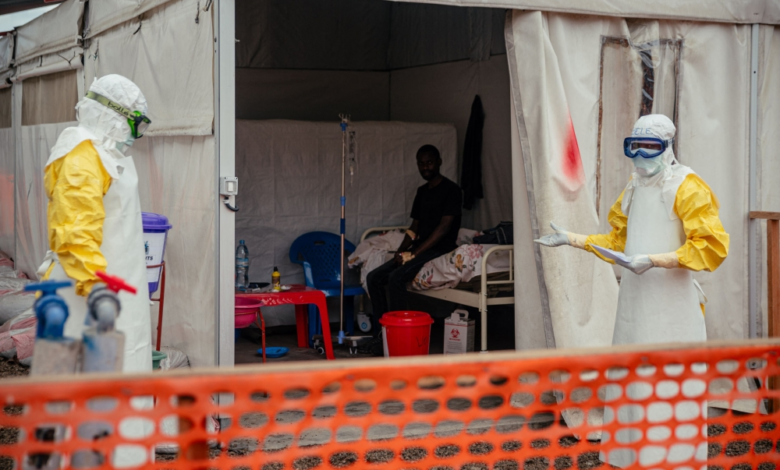
تهدف الخطة المشتركة إلى دعم الدول الأفريقية في بناء قدراتها على الكشف المبكر عن الفيروس والاستجابة الفورية والفعالة له. وتتركز محاور الخطة على عدة ركائز أساسية، تشمل تعزيز أنظمة الرصد الوبائي لتحديد الحالات المشتبه بها بسرعة، وتطوير القدرات المخبرية لضمان التشخيص الدقيق والسريع. كما تتضمن الخطة تحسين جودة الرعاية الصحية المقدمة للمصابين، وتدريب الكوادر الطبية، وتوفير المعدات الوقائية اللازمة. علاوة على ذلك، تشدد الخطة على أهمية التعاون العابر للحدود بين الدول المجاورة لتبادل المعلومات وتنسيق الجهود، وهو أمر حيوي لمنع انتشار الفيروس عبر الحدود المفتوحة. كما تولى الخطة اهتمامًا خاصًا بحماية الفئات الأكثر عرضة للخطر، مثل العاملين في مجال الرعاية الصحية وأفراد أسر المصابين، وتقوية الأنظمة الصحية بشكل عام لتكون أكثر صمودًا في مواجهة التهديدات الحالية والمستقبلية.
تأثير يتجاوز الحدود: التهديد الإقليمي والعالمي
إن أهمية هذه الخطة لا تقتصر على المستوى المحلي أو القاري فحسب، بل تمتد لتشمل الأمن الصحي العالمي. في عالم مترابط، يمكن لتفشي مرض في منطقة نائية أن يتحول بسرعة إلى جائحة عالمية، مما يؤثر على حركة السفر والتجارة الدولية ويهدد استقرار الاقتصاد العالمي. وأكدت المنظمتان أن احتواء تفشي إيبولا يتطلب تنسيقًا إقليميًا واسعًا والتزامًا سياسيًا قويًا وتمويلًا مستدامًا. من خلال هذه الشراكة، تسعى منظمة الصحة العالمية والمراكز الأفريقية إلى ضمان حماية المجتمعات المتضررة والمعرضة للخطر، وبناء جدار حماية صحي يقي القارة والعالم من التداعيات المدمرة لهذا الفيروس الفتاك.