
أعلنت منظمة الصحة العالمية تقييمها للوضع الوبائي الحالي المتعلق بفيروس “نيباه”، مصنفة خطر تفشيه على المستويين الإقليمي والعالمي بأنه “منخفض”، وذلك في أعقاب الإبلاغ عن حالات إصابة مؤكدة في كل من الهند وبنجلاديش. ويأتي هذا التصنيف ليضع حداً للمخاوف المتزايدة، مع التأكيد في الوقت ذاته على خطورة الفيروس كمرض فردي نظراً لعدم توفر لقاح مضاد له حتى الآن.
وفي تفاصيل الوضع الراهن، أوضح المدير العام للمنظمة، تيدروس أدهانوم غيبريسوس، أن السلطات الصحية في الهند أبلغت رسمياً عن حالتي إصابة، بينما سجلت بنجلاديش إصابة واحدة. وقد استجابت السلطات الصحية بسرعة فائقة، حيث تم تتبع ومراقبة ما يقرب من 230 شخصاً من المخالطين للمصابين للتأكد من عدم انتقال العدوى. وأكدت النتائج الأولية للمتابعة عدم ظهور أي أعراض مرضية على هؤلاء المخالطين، مما يعزز فرضية السيطرة على البؤر الحالية.
ما هو فيروس نيباه؟ وخلفيته التاريخية
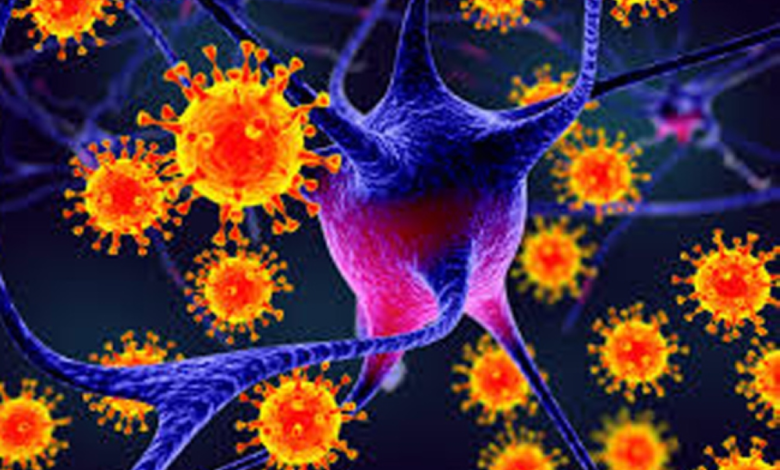
يُعد فيروس نيباه (NiV) من الفيروسات حيوانية المنشأ (Zoonotic)، مما يعني أنه ينتقل من الحيوانات إلى البشر، كما يمكن أن ينتقل عن طريق الأغذية الملوثة أو مباشرة بين البشر. وتعتبر خفافيش الفاكهة من الفصيلة (Pteropodidae) المضيف الطبيعي لهذا الفيروس. تم التعرف على الفيروس لأول مرة في عام 1999 خلال تفشٍ حدث بين مربي الخنازير في ماليزيا وسنغافورة، ومنذ ذلك الحين، يتم رصد تفشيات موسمية، خاصة في بنجلاديش وشرق الهند.
الأعراض والمخاطر الصحية
تتراوح أعراض الإصابة بفيروس نيباه بين العدوى غير المصحوبة بأعراض (صامتة) إلى أمراض تنفسية حادة والتهاب الدماغ المميت. يعاني المصابون عادة من حمى، صداع، وآلام في العضلات، وقد يتطور الأمر بسرعة إلى دوار وتغير في الوعي، مما يشير إلى التهاب الدماغ الحاد. وتشير بيانات منظمة الصحة العالمية إلى أن معدل الوفيات بين المصابين يتراوح بين 40% إلى 75%، وتعتمد هذه النسبة على القدرات المحلية في الرعاية السريرية والوبائية.
أهمية الحدث والتدابير الوقائية
على الرغم من تصنيف خطر الانتشار العالمي بالمنخفض، إلا أن منظمة الصحة العالمية تضع فيروس نيباه ضمن قائمة الأمراض ذات الأولوية في البحث والتطوير، نظراً لعدم وجود لقاحات أو علاجات نوعية مرخصة حتى الآن. وتوصي المنظمة بتعزيز تدابير النظافة العامة، وتجنب الاتصال بالخفافيش أو الخنازير في المناطق الموبوءة، وغسل الفواكه جيداً وتقشيرها قبل تناولها، خاصة تلك التي قد تكون تعرضت لتلوث من إفرازات الخفافيش، مثل التمر وعصير النخيل الخام.
وتواصل المنظمة العمل بشكل وثيق مع السلطات في الهند وبنجلاديش لضمان استمرار عمليات الرصد والمراقبة، وتقييم المخاطر بشكل دوري لمنع أي توسع محتمل لرقعة الإصابات.