Egypt is working to secure the release of four Egyptians on a ship detained in Iran

Informed sources revealed intensive Egyptian diplomatic and consular efforts to monitor the situation of four Egyptian citizens who were part of the crew of a merchant ship recently detained by Iranian authorities. These efforts reflect the Egyptian state's commitment to the safety of its citizens abroad. The Ministry of Foreign Affairs and the Ministry of State for Emigration and Egyptian Expatriates' Affairs are closely following the situation to ensure the safety of the Egyptian sailors and work towards their swift release.
Details of the official Egyptian move
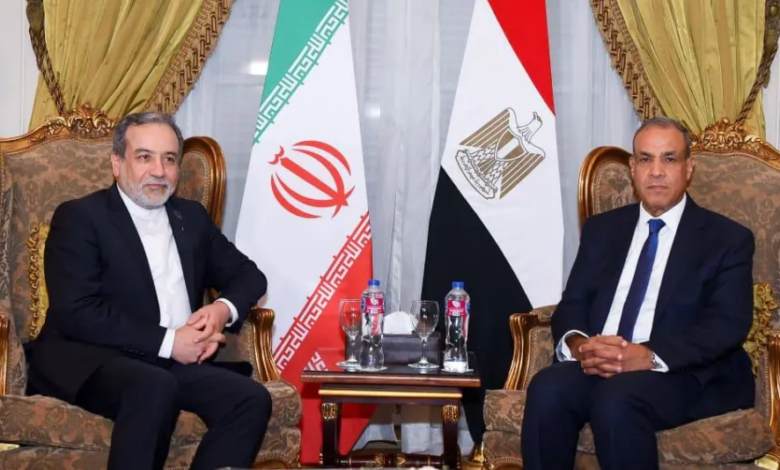
Authorities in Cairo confirmed that they immediately contacted their counterparts in Tehran to ascertain the health of the four Egyptian citizens and ensure they are being treated in accordance with international norms and laws. Egyptian diplomacy is working through official channels to guarantee the sailors' legal rights and secure their return home as soon as possible, emphasizing that protecting Egyptian citizens anywhere in the world is a top priority on the state's foreign policy agenda.
Regional context and maritime navigation tensions
This incident cannot be separated from the broader context of tensions in the Middle East's shipping lanes, particularly near the Strait of Hormuz and the Arabian Gulf. Over the past few years, the seizure of commercial vessels and oil tankers by Iranian naval forces has become a recurring event, often attributed to reasons ranging from alleged maritime violations to political and security rivalries between Tehran and other international powers. This pattern of incidents underscores the fragility of the security situation in one of the world's most vital waterways.
The strategic and economic importance of the event
This event is of particular importance given its direct impact on global trade. The area where the incident occurred is a vital artery for energy and goods transport between East and West, and any threat to freedom of navigation there casts a shadow over oil markets and global supply chains. For Egypt, which operates the Suez Canal (the world's most important waterway), the stability of navigation in the region is a paramount strategic interest, as the movement of ships transiting the canal is affected, in one way or another, by security disturbances in the wider region.
Egypt's role in protecting maritime workers
This incident also highlights the vital role played by Egyptian seafarers in the international maritime transport sector, with thousands of them working on merchant ships sailing the world. The Egyptian state is continuously updating its rapid intervention mechanisms to protect these workers during crises, whether resulting from wars, piracy, or international detentions. This latest action serves to reassure all those working in this vital sector that the state stands behind them and supports them in all circumstances.
In conclusion, political and public circles are awaiting the results of the ongoing communications, amid great hopes that the crisis will end quickly and that the Egyptian sailors will return safely, based on the long experience of Egyptian diplomacy in successfully and competently managing complex consular crisis files.