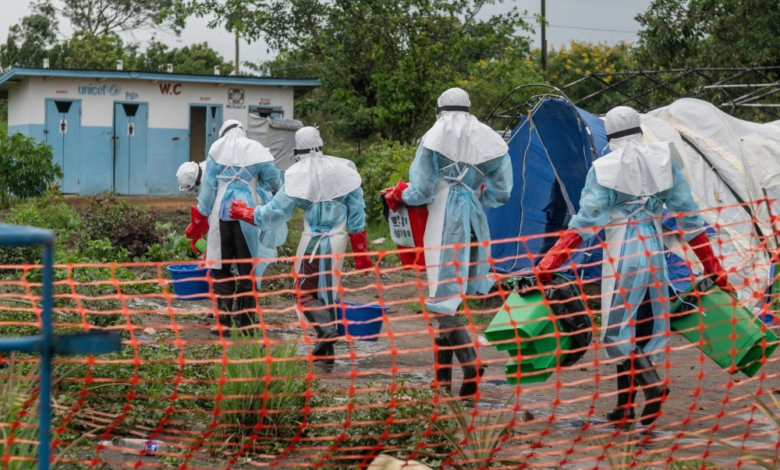

في خطوة تعكس حجم القلق الدولي، وصل المدير العام لمنظمة الصحة العالمية، تيدروس أدهانوم غيبريسوس، إلى مدينة بونيا، عاصمة مقاطعة إيتوري في شرق جمهورية الكونغو الديمقراطية. تأتي هذه الزيارة في وقت حرج، حيث تشكل المقاطعة بؤرة لتفشي فيروس إيبولا الذي يتسارع انتشاره، حاملاً معه رسالة دعم وتضامن قوية للسكان المحليين والعاملين في المجال الصحي، مؤكداً لهم: “لستم وحدكم، نحن هنا بجانبكم، وسنتجاوز هذا الوضع معاً”.
خلفية تاريخية لتفشي إيبولا في الكونغو
تاريخ جمهورية الكونغو الديمقراطية مع فيروس إيبولا طويل ومؤلم. فقد تم اكتشاف الفيروس لأول مرة في عام 1976 بالقرب من نهر إيبولا، الذي أخذ الفيروس اسمه منه. ومنذ ذلك الحين، شهدت البلاد أكثر من عشر موجات تفشٍ للمرض، مما جعلها الدولة الأكثر خبرة في التعامل مع هذا الوباء الفتاك. كان التفشي الذي وقع بين عامي 2018 و2020 في شرق البلاد هو الثاني الأكثر دموية في التاريخ، حيث أودى بحياة ما يقرب من 2300 شخص، ولم يسبقه في الشدة سوى وباء غرب إفريقيا (2014-2016). إن تكرار ظهور الفيروس في الكونغو يسلط الضوء على التحديات البنيوية التي تواجهها البلاد، بما في ذلك ضعف النظام الصحي والفقر وانعدام الاستقرار الأمني.
أهمية الزيارة وتأثيرها المتوقع
تكتسب زيارة غيبريسوس أهمية بالغة على الصعيدين المحلي والدولي. محلياً، تهدف الزيارة إلى رفع معنويات الفرق الطبية والمجتمعات المتضررة، والتأكيد على أن العالم لم ينسهم. كما شدد تيدروس على ضرورة الاستماع إلى المجتمع المحلي، قائلاً: “لسنا هنا لنملي على الناس ما يجب عليهم فعله، نحن هنا لنستمع إليهم، لأن المجتمع يعرف المشكلات والحلول على حد سواء”. هذا النهج ضروري لبناء الثقة التي تآكلت بسبب المعلومات المضللة والمخاوف المنتشرة، والتي تشكل أحد أكبر عوائق الاستجابة الفعالة.
إقليمياً ودولياً، تعد الزيارة بمثابة جرس إنذار. فمع تأكيد وجود حالات في أوغندا المجاورة، يتزايد خطر انتشار الوباء عبر الحدود، مما يهدد استقرار منطقة البحيرات العظمى بأكملها. إعلان منظمة الصحة العالمية تفشي المرض “حالة طوارئ صحية عامة ذات نطاق دولي” يهدف إلى حشد الموارد والخبرات العالمية وتنسيق الجهود لمنع تحول الأزمة إلى كارثة إقليمية. وتواجه جهود الاستجابة تحديات معقدة، أبرزها الوضع الأمني الهش في شرق الكونغو، حيث يعيق نشاط الجماعات المسلحة وصول العاملين الصحيين إلى المناطق النائية، مما يخلق بيئة مثالية لانتشار الفيروس بصمت.
تحديات الاستجابة والجهود المبذولة
اعترف وزير الصحة الكونغولي، صامويل روجر كامبا، بوجود تحديات لوجستية في توزيع الإمدادات الطبية، لكنه أكد توفر المعدات الوقائية والأدوية والاختبارات اللازمة في المستودعات. وأضاف أن العمل جارٍ على معالجة هذه العقبات لضمان وصول المساعدات إلى كل محتاجيها. وفيما يتعلق بالعلاجات، لا يوجد حالياً لقاح أو علاج معتمد للسلالة المنتشرة حالياً (سلالة بونديبوجيو)، إلا أن هناك علاجات واعدة للغاية لا تزال في مرحلة الاختبار، مما يعطي بصيص أمل للمصابين. إن المعركة ضد إيبولا في الكونغو ليست مجرد معركة طبية، بل هي سباق مع الزمن يتطلب تضافر الجهود الأمنية والمجتمعية والسياسية إلى جانب الدعم الدولي القوي.