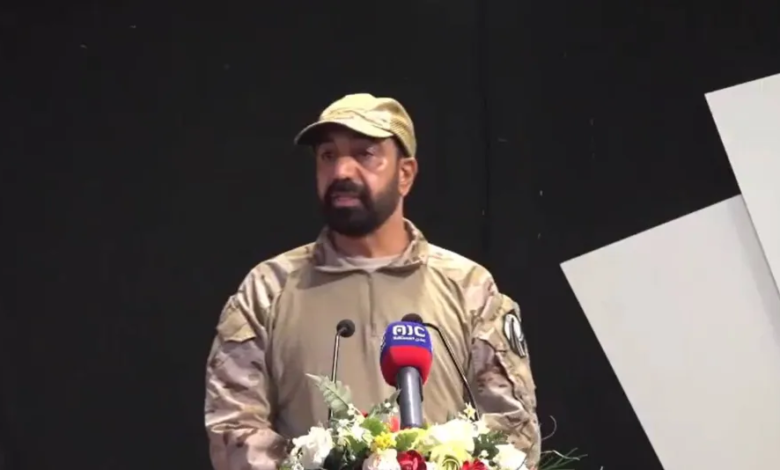

Amid the complex Yemeni conflict, figures operating behind the scenes, managing security and intelligence operations away from the public eye, have emerged. Among the most prominent of these is the Houthi leader known by the nickname "Abu Ali al-Hadrami." This man, described as a "shadow figure," played a pivotal role in the Houthi group's (Ansar Allah) attempts to infiltrate the oil-rich and strategic Hadramawt province before disappearing from public view amidst conflicting reports about his fate.
Who is Abu Ali al-Hadrami?
Intelligence reports and local sources indicate that “Abu Ali al-Hadrami” is the nom de guerre of the leader Rushdi al-Jadani (and in other accounts, he is linked to high-ranking security officials), one of the most prominent figures in the group’s Preventive Security apparatus. Al-Hadrami was not merely a military field commander; he was the architect of tribal alliances and the official in charge of the “Southern File,” specifically the Hadramawt file, where he was tasked with dismantling the social fabric and buying loyalties in Yemen’s largest governorate.
Strategic context: Why Hadhramaut?
To understand the significance of this man's role, one must consider the broader context of the conflict. Hadhramaut is considered the ultimate prize in the Yemeni war, given its strategic location bordering Saudi Arabia, its long coastline on the Arabian Sea, and its oil and mineral wealth. Since the beginning of the coup, the Houthi group has sought to establish a foothold there, not only through direct military invasion but also through intelligence operations led by Abu Ali al-Hadrami.
The hidden role and scene management
For years, al-Hadrami worked to build sleeper cells and recruit social and tribal figures, exploiting the political divisions in southern Yemen. He operated with utmost secrecy and is believed to have directly overseen numerous security and logistical operations aimed at destabilizing the province to facilitate the group's subsequent takeover. His tenure was characterized by a combination of soft power and security threats, effectively making him the de facto ruler of the group's clandestine operations in those areas.
The mysterious disappearance... Has the mission ended, or the man?
Suddenly, the name “Abu Ali al-Hadrami” disappeared from public view, and his direct influence vanished. There are several accounts of this disappearance; some suggest he was killed in one of the Arab Coalition’s precise airstrikes targeting secret meetings of top leaders, while other analyses point to the possibility that he was sidelined or his activities were frozen due to internal power struggles within the group itself, especially after several failed attempts to militarily invade Hadramawt, thanks to the vigilance of local forces and tribes.
Impact and importance
The story of Abu Ali al-Hadrami is not merely a personal account; it embodies the nature of the covert war being waged in Yemen. His disappearance—whether through death or isolation—represents a blow to the group's expansionist project in the eastern provinces and reflects the success of military and security pressures in curtailing Houthi infiltration. His fate remains a mystery, but the impact he left reveals the extent of the ambitions targeting Hadramawt and the importance of maintaining its internal unity.