
إشادة دولية رفيعة بجهود المملكة في الحج
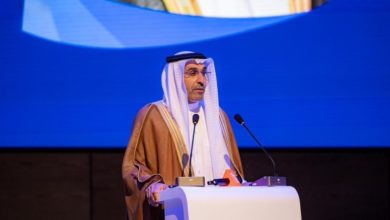
في شهادة دولية جديدة تعكس حجم الجهود المبذولة، هنأ المدير العام لمنظمة الصحة العالمية، الدكتور تيدروس أدهانوم غيبريسوس، المملكة العربية السعودية على النجاح الكبير الذي تحقق في تنظيم موسم حج آمن وصحي هذا العام. وأعرب الدكتور تيدروس عن تقديره العميق للعاملين في القطاع الصحي الذين أسهمت جهودهم المتفانية في تحقيق هذا الإنجاز، الذي يؤكد على قدرة المملكة الفائقة على إدارة المتطلبات الصحية لأكبر التجمعات البشرية في العالم وفق أعلى المعايير الدولية.
وجاءت هذه الإشادة لتتوج منظومة عمل متكاملة استمرت على مدار أشهر، حيث استنفرت المملكة كافة طاقاتها لضمان سلامة وراحة ضيوف الرحمن. وتاريخيًا، شكلت إدارة الحشود في الحج تحديًا صحيًا كبيرًا، نظرًا لتجمع الملايين من مختلف أنحاء العالم في بقعة جغرافية محدودة، مما يزيد من احتمالية تفشي الأمراض المعدية. إلا أن الخبرة التراكمية للمملكة على مدى عقود، مدعومة بالاستثمار في البنية التحتية الصحية والتكنولوجيا المتقدمة، حولت هذا التحدي إلى قصة نجاح عالمية يُحتذى بها في مجال “طب الحشود”.
منظومة متكاملة لضمان موسم حج آمن وصحي
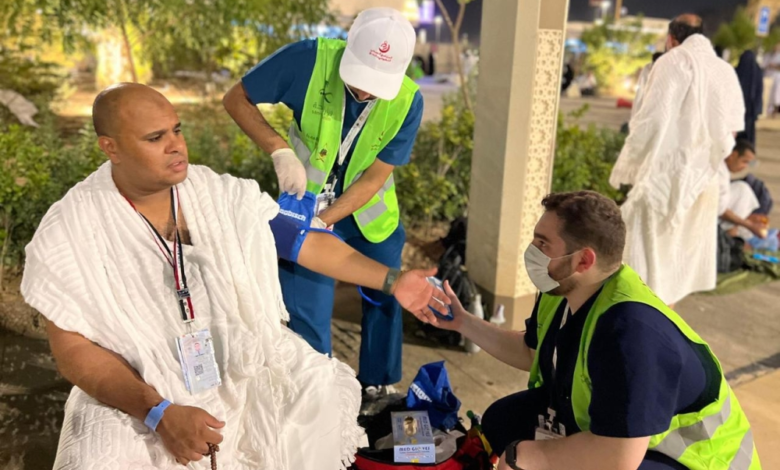
لم يأتِ هذا النجاح من فراغ، بل هو نتاج خطط استباقية ومنظومة صحية متكاملة تبدأ من بلد الحاج قبل قدومه. فقد أكد وزير الصحة السعودي، فهد بن عبدالرحمن الجلاجل، أن نجاح الموسم وخلوه من أي تفشيات وبائية جاء نتيجة تطبيق اشتراطات صحية صارمة، تشمل اللقاحات والتحصينات اللازمة، والتأكد من الاستطاعة الصحية للحاج. وخلال الموسم، تم تفعيل شبكة واسعة من المستشفيات والمراكز الصحية في مكة المكرمة والمدينة المنورة والمشاعر المقدسة، مدعومة بآلاف الكوادر الطبية والإسعافية المتأهبة على مدار الساعة.
كما أشادت الدكتورة حنان بلخي، المديرة الإقليمية لمنظمة الصحة العالمية لشرق المتوسط، بالجاهزية الصحية المتقدمة التي وفرتها المملكة، والتي شملت توظيف التقنيات الحديثة كالروبوتات الطبية والطائرات المسيرة لنقل وحدات الدم والعينات المخبرية، بالإضافة إلى توفير الخدمات الصحية في مختلف المواقع ومتابعة الحالة الصحية للحجاج طوال رحلتهم الإيمانية، مما مكنهم من أداء مناسكهم بأمان وطمأنينة.
تأثير عالمي يعزز الأمن الصحي الدولي
إن نجاح المملكة في تأمين الحج لا يقتصر تأثيره على المستوى المحلي، بل يمتد ليصبح مساهمة فاعلة في تعزيز الأمن الصحي العالمي. فعودة ملايين الحجاج إلى أكثر من 180 دولة حول العالم وهم بصحة وسلامة تمنع انتقال أي عدوى محتملة عبر الحدود، وهو ما يمثل خط دفاع أول للأمن الصحي الدولي. هذه الإشادة من منظمة الصحة العالمية تعد اعترافًا بالدور الريادي الذي تلعبه السعودية كنموذج عالمي في إدارة التجمعات البشرية الكبرى، وتقدم خبراتها للعالم للاستفادة منها في تنظيم الفعاليات الدولية الضخمة.
ورفع وزير الصحة الشكر والامتنان لخادم الحرمين الشريفين الملك سلمان بن عبدالعزيز آل سعود، وسمو ولي عهده الأمين -حفظهما الله-، على الدعم اللامحدود الذي يحظى به القطاع الصحي، مؤكدًا أن توجيهاتهما الكريمة بجعل صحة الإنسان وسلامته أولوية قصوى كانت المحرك الأساسي وراء هذا الإنجاز.