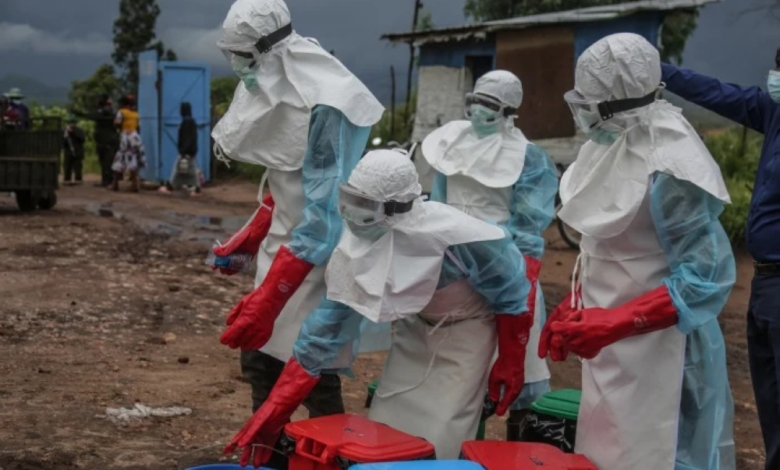

في تطور ملحوظ لجهود مكافحة فيروس إيبولا، أعلنت منظمة الصحة العالمية عن انخفاض حالات إيبولا المشتبه فيها بشكل كبير في وسط أفريقيا، حيث تراجع العدد من أكثر من 900 حالة إلى 116 حالة فقط. ويأتي هذا الانخفاض نتيجة لتحسين دقة التشخيص والفحص المخبري، إلا أن المنظمة أكدت في الوقت ذاته على أن عدد الحالات المؤكدة لا يزال يمثل تحديًا، حيث ارتفع إلى 330 حالة في المنطقة، مما يسلط الضوء على استمرار خطورة الوضع والحاجة الماسة لليقظة المستمرة.
وقد أوضحت المنظمة في تقريرها الصادر يوم الثلاثاء أنه حتى تاريخ 31 مايو، تم تسجيل 116 حالة مشتبه بها في جمهورية الكونغو الديمقراطية، مقارنة بـ 906 حالات في الأسبوع الذي سبقه. وفي المقابل، بلغ إجمالي الحالات المؤكدة في الكونغو 321 حالة، نتج عنها 48 حالة وفاة، بينما سجلت أوغندا المجاورة 9 حالات مؤكدة وحالة وفاة واحدة، مما يؤكد على خطر انتشار الفيروس عبر الحدود.
إيبولا: تاريخ من التحديات الصحية العالمية
فيروس إيبولا، الذي تم اكتشافه لأول مرة عام 1976 بالقرب من نهر إيبولا في جمهورية الكونغو الديمقراطية (زائير سابقًا)، يُعد واحدًا من أخطر الأمراض الفيروسية التي عرفتها البشرية. يتسبب الفيروس في حمى نزفية حادة، وغالبًا ما تكون قاتلة إذا لم يتم توفير الرعاية الطبية الفائقة. شهد العالم أسوأ تفشٍ للمرض بين عامي 2014 و2016 في غرب أفريقيا، والذي أودى بحياة أكثر من 11 ألف شخص وأثار حالة من الذعر العالمي، مبرزًا قدرة الفيروس على التحول إلى وباء إقليمي يهدد الأمن الصحي العالمي. هذه الخلفية التاريخية تجعل أي تفشٍ جديد، مهما كان حجمه، مصدر قلق كبير للمجتمع الدولي.
تفاصيل التفشي الحالي وانخفاض حالات إيبولا المشتبه فيها
أوضح كريستيان ليندماير، المتحدث باسم منظمة الصحة العالمية، أن الانخفاض الكبير في الحالات المشتبه بها يعود بشكل أساسي إلى استبعاد عدد كبير منها بعد الفحوصات المخبرية الدقيقة. فقد تبين أن العديد من المرضى كانوا يعانون من أمراض أخرى تتشابه أعراضها الأولية مع إيبولا، مثل الملاريا أو التهاب السحايا. وأشار إلى أن أي شخص تظهر عليه أعراض مشابهة يتم إدراجه ضمن الحالات المشتبه بها كإجراء احترازي حتى يتم تأكيد أو نفي الإصابة. ويعود هذا التشابه في الأعراض جزئيًا إلى أن السلالة الحالية، المعروفة باسم “بونديبوجيو”، تبدأ بأعراض تشبه الإنفلونزا، مما قد يؤخر التشخيص الدقيق ويزيد من تعقيد جهود الاحتواء في المناطق المتضررة، خاصة في إقليم إيتوري بشمال شرق الكونغو، الذي يعاني من نزاعات مسلحة وفقر مدقع.
الأهمية الدولية للاستجابة السريعة
تكمن أهمية هذا التفشي في موقعه الجغرافي الحساس، حيث إن استمرار النزاعات المسلحة وانعدام الأمن يعرقلان وصول الفرق الطبية ويصعّبان جهود تتبع المخالطين وتطعيمهم، مما يزيد من خطر انتشار الفيروس إلى مناطق جديدة ودول مجاورة. إن ظهور حالات في أوغندا هو دليل ملموس على هذا الخطر. لذلك، فإن الاستجابة الدولية السريعة، بقيادة منظمة الصحة العالمية وبالتعاون مع الحكومات المحلية والمنظمات غير الحكومية، تعد أمرًا حاسمًا. وتعتمد الاستراتيجية الحالية على تكثيف المراقبة، وتوفير التشخيص السريع، وعزل الحالات المؤكدة، وتقديم الرعاية الداعمة للمرضى، حيث لا يتوفر حتى الآن لقاح أو علاج معتمد خصيصًا لسلالة “بونديبوجيو”، مما يجعل الوقاية والاحتواء هما خط الدفاع الأول والأهم لحماية المنطقة والعالم من تفشٍ أوسع نطاقًا.