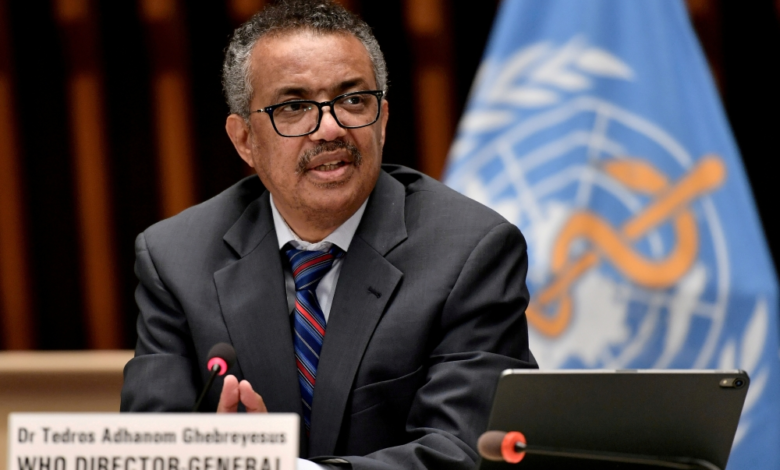
The Director-General of the World Health Organization, Tedros Adhanom Ghebreyesus, issued a stark warning regarding the repercussions of the Trump administration's decision to withdraw the United States from the international organization. The UN official emphasized that this move not only poses a threat to the global health system but also has negative consequences that will make the United States itself less secure in the face of pandemics and transboundary diseases.
The context of the decision and its critical timing
This warning comes at a very sensitive time, as the US president signed a decree withdrawing his country from the UN agency, just hours after returning to the White House on January 20, 2025. With the decision set to officially take effect next week, a full year after its approval, international concerns are growing about the void that will be left by the absence of Washington, which has long been a pivotal player in funding and directing global health policies.
In a press statement from the organization's headquarters in Geneva, Tedros described the move as a "double loss" for the United States and the world at large, noting that American health security is intrinsically linked to international cooperation. He added, "The measures led by the organization directly benefit the United States itself, which is why isolationism does not bring security, but rather multiplies the risks.".
Complex legal and financial obstacles
On the legal front, Steve Salomon, the organization's chief legal advisor, revealed the complexities surrounding the actual withdrawal date. He explained that the organization's constitution does not contain an explicit clause for withdrawal, but the United States had stipulated specific conditions upon joining in 1948 that allowed it to do so, albeit under strict controls.
Among the most prominent of these conditions is the requirement to provide a full year's notice, in addition to settling all outstanding financial obligations. Herein lies the major obstacle, as the legal advisor pointed out that Washington has defaulted on its contributions for 2024 and 2025. This situation places the onus on member states to consider whether the United States has met the withdrawal requirements given these financial arrears, which remain unspecified.
Disastrous effects on health systems
The absence of US funding is expected to severely disrupt the organization's programs, particularly those focused on combating infectious diseases in developing countries and responding to health emergencies. The United States has historically been the organization's largest donor, and its withdrawal will significantly reduce the ability to monitor epidemics before they spread globally.
In closing, Tedros Adhanom stressed that his call for Washington to reverse its decision stemmed not only from a need for money, but also from the principle of "solidarity and cooperation." He emphasized that the world faces common enemies such as COVID-19 and other biological threats, and that confronting these challenges requires a united global front with no room for division.