
Details of the third phase of the corrective measures initiative
In a strategic move aimed at enhancing environmental sustainability and protecting biodiversity, the National Center for Wildlife Development in Saudi Arabia announced the launch of the third phase of its initiative to rectify the status of unlicensed wildlife in the possession of individuals. This grace period extends until May 31, 2026, giving owners of wild animals and birds ample opportunity to regularize their legal status. This step is part of national efforts to regulate the acquisition of wildlife, document ownership, and ensure that housing and breeding practices comply with the Environmental Law and its implementing regulations.
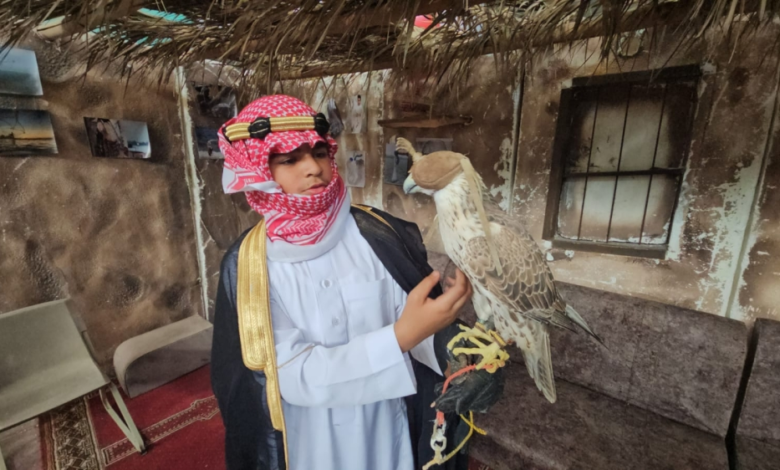
This phase builds upon the successes of the first two phases of the initiative, which focused primarily on regulating falconry, private collections, breeding and shelter centers, and commercial establishments involved in selling wildlife products or derivatives. The current phase targets individuals who own or handle wildlife on a large scale, aiming to reduce unregulated practices within this sector.
Historical context and national efforts to protect the environment
This initiative comes at a crucial historical and environmental juncture, as the Kingdom of Saudi Arabia places great importance on environmental protection within the framework of Saudi Vision 2030 and the Saudi Green Initiative. The National Center for Wildlife Development was established to advance the wildlife sector, protect biodiversity from extinction, and reintroduce endangered species to their natural habitats. Historically, many ecosystems have suffered from overhunting and unregulated fishing, necessitating decisive intervention through legislation to safeguard these natural resources for future generations.
The local and international importance of regulating the acquisition of wild animals
At the national level, the initiative aims to build an accurate and comprehensive national database of wildlife within the Kingdom and to strengthen oversight of acquisition and trade activities. It also seeks to raise housing standards in accordance with environmental and health considerations, thereby preventing the transmission of zoonotic diseases and curbing unregulated practices that could negatively impact natural habitats or threaten the survival of native species.
At the regional and international levels, this measure reflects the Kingdom's commitment to international agreements, most notably the Convention on International Trade in Endangered Species of Wild Fauna and Flora (CITES). This stringent regulation contributes to global efforts to combat the illegal trade in wildlife and reinforces the Kingdom's position as a leading nation in nature conservation and the sustainability of ecosystems.
The “Fitri” platform and its role in facilitating procedures
In closing, the National Center for Wildlife Development issued a clear invitation to all individual wildlife owners to take advantage of the current grace period. It urged them to review the regulations and requirements on the “Fitri” electronic platform. This platform allows users to document their wildlife systematically and easily, promoting compliance with environmental regulations and ensuring community participation in protecting biodiversity and the sustainability of ecosystems in the Kingdom of Saudi Arabia.