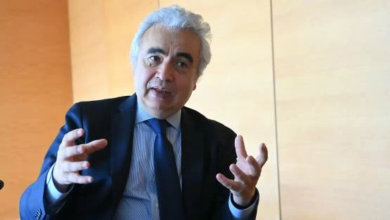

“The remaining oil stocks in member countries are still large despite the recent decision to withdraw about 400 million barrels,” Birol said in a statement today.
The agency’s executive director explained that member countries will still have more than 1.4 billion barrels of emergency oil stocks even after the current drawdown process is completed.
He noted that the ongoing release of reserves will only reduce the strategic stockpiles of the agency's member states by about 20%.
Emergency reserves
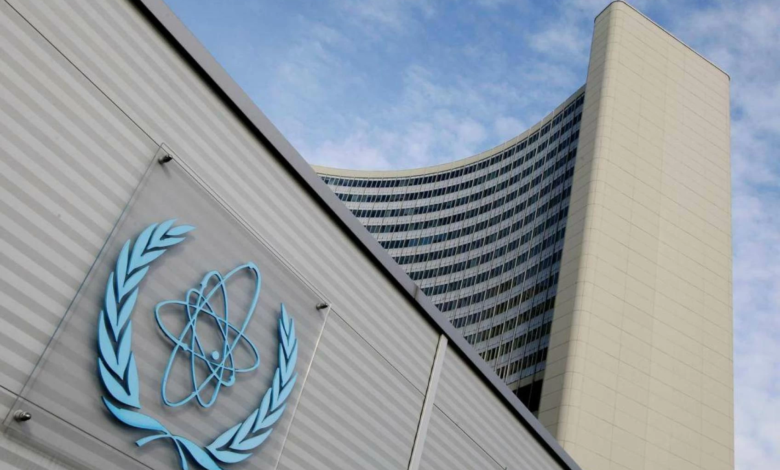
The International Energy Agency announced yesterday that oil from the agency's emergency reserves will soon begin flowing into global markets.
The agency said: “Stocks from Asian and Oceanian countries will be available immediately, while stocks from Europe and the Americas will be available at the end of March.”.
The International Energy Agency indicated that member countries in the Americas would provide 172.2 million barrels of oil.
She explained that governments have committed to providing 271.7 million barrels of oil from their reserves, and continued: “72% of the planned withdrawal is crude oil, and 28% is petroleum products.”.
This move represents the largest release of oil stockpiles in the history of the International Energy Agency, which was established to ensure energy security for its member countries during global crises.
Supply gap
According to a report published by the American network CNBC, and reviewed by Al Arabiya Business, the release of emergency stockpiles will take time to be fully implemented, and the announced quantity remains far less than the supply gap resulting from the closure of the Strait of Hormuz.
The oil market sent a clear signal this week; the massive release of stockpiled oil by the United States and its allies is not enough to counter the unprecedented disruption to supplies resulting from a war on Iran. More than 30 countries in Europe, North America and Northeast Asia have agreed to pump 400 million barrels of oil into the market to curb rising prices, with the United States leading the process by releasing 172 million barrels from its strategic oil reserves, or about 43% of the International Energy Agency's total amount.
The Executive Director of the International Energy Agency, Fatih Birol, announced that member countries may resort to releasing more oil reserves if necessary.
Birol said in a statement today: “The remaining oil stocks among member countries are still significant despite the recent decision to withdraw about 400 million barrels.”
The Executive Director of the agency explained that member countries will still hold more than 1.4 billion barrels of emergency oil stocks even after completing the current withdrawal process.
He pointed out that the current release of reserves will only reduce the strategic stocks of member countries in the agency by about 20%.
Emergency Reserves
The International Energy Agency announced yesterday that oil from the agency's emergency reserves will soon begin flowing into global markets.
The agency stated: “Stocks from Asian and Oceania countries will be available immediately, while stocks from Europe and the Americas will be available by the end of March.”
The International Energy Agency indicated that member countries in the Americas will provide 172.2 million barrels of oil.
It clarified that governments committed to providing 271.7 million barrels of oil from their stocks, adding: “72% of the planned withdrawals are crude oil, and 28% are petroleum products.”
This step represents the largest release of oil stocks in the history of the International Energy Agency, which was established to energy security for its member countries during global crises.
Supply Gap
According to a report published by the American network “CNBC,” which was reviewed by “Al Arabiya Business,” the release of emergency stocks will take time to be fully implemented, and the announced quantity remains far less than the supply gap caused by the closure of the Strait of Hormuz.
The oil market sent a clear signal this week; The massive release of stored oil by the United States and its allies is not enough to counter the unprecedented supply disruption resulting from the war on Iran. More than 30 countries in Europe, North America, and Northeast Asia agreed to pump 400 million barrels of oil into the market to curb rising prices, with the United States leading the process by releasing 172 million barrels from its strategic oil reserve, which is about 43% of the total amount from the International Energy Agency.