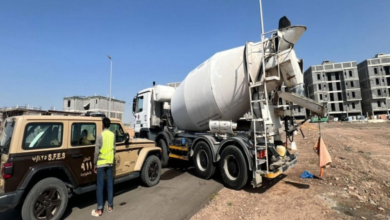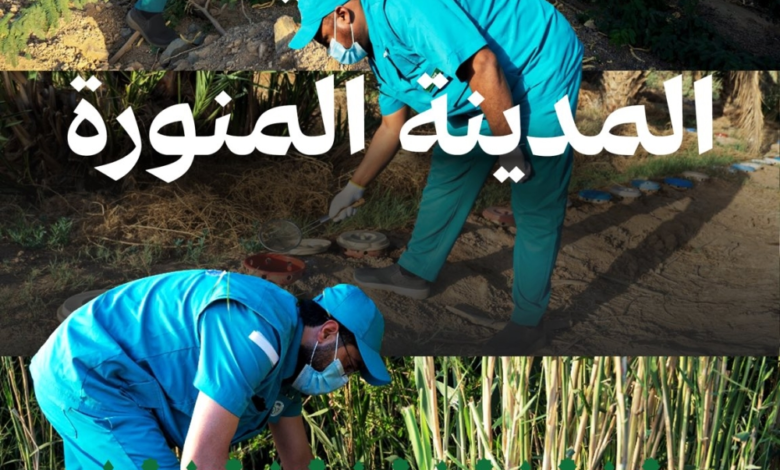

في إطار جهوده المستمرة لتعزيز الصحة النباتية والحيوانية، نفذ المركز الوطني للوقاية من الآفات النباتية والأمراض الحيوانية ومكافحتها “وقاء” في المدينة المنورة، سلسلة من جولات وقاء الرقابية المكثفة خلال الفترة الماضية. وشملت هذه الجهود تنفيذ ما يزيد عن 12 ألف جولة ميدانية ورقابية، إلى جانب فحص أكثر من 153 ألف رأس من الماشية، بهدف ضمان سلامتها وخلوها من الأمراض، مما يعكس التزام المركز بحماية الثروة الوطنية وتعزيز الأمن الغذائي في المنطقة.
يأتي هذا النشاط المكثف ضمن الدور المحوري الذي يلعبه مركز “وقاء”، الذي تأسس ليكون خط الدفاع الأول في المملكة العربية السعودية ضد الآفات والأمراض التي تهدد القطاعين الزراعي والحيواني. ويعمل المركز على تطبيق أعلى معايير الصحة النباتية والحيوانية، مستخدماً أحدث التقنيات في الرصد والمسح والاستكشاف المبكر، وذلك تماشياً مع مستهدفات رؤية السعودية 2030 الرامية إلى تحقيق الاستدامة البيئية والأمن الغذائي.
وتكتسب هذه الجهود أهمية خاصة في منطقة المدينة المنورة، التي لا تمثل فقط مركزاً دينياً عالمياً، بل تتميز أيضاً بنشاط زراعي وحيواني كبير. فالمنطقة تشتهر بمزارع النخيل التي تعد جزءاً من هويتها الاقتصادية والتراثية، كما أنها تشهد حركة نشطة لتجارة المواشي، خاصة مع قربها من المشاعر المقدسة وتزايد الطلب خلال مواسم الحج والعمرة، مما يستدعي وجود رقابة صارمة لضمان سلامة المنتجات.
تعزيز الأمن الغذائي وحماية الثروة الوطنية عبر جولات وقاء الرقابية
تُعد الإجراءات التي اتخذها “وقاء” حجر الزاوية في منظومة الأمن الغذائي. فمن خلال فحص أكثر من 153,038 رأساً من الماشية، يضمن المركز وصول لحوم سليمة وآمنة للمستهلكين، ويمنع تفشي الأمراض الحيوانية التي قد تنتقل إلى الإنسان. كما تساهم الجولات التوعوية في أسواق النفع العام والمسالخ، والتي بلغت حوالي 5,998 جولة، في رفع مستوى الوعي لدى المربين والتجار والمستهلكين بأهمية الالتزام بالاشتراطات الصحية. على الصعيد الاقتصادي، تحمي هذه العمليات الوقائية استثمارات المزارعين ومربي الماشية من الخسائر الفادحة التي قد تسببها الأوبئة والآفات. فمكافحة نواقل الأمراض من خلال أكثر من 6,547 جولة تقصٍ ومكافحة، تحد من انتشار الأمراض وتكاليف علاجها، وتدعم استدامة القطاع الزراعي كرافد مهم للاقتصاد الوطني.
جهود متكاملة لمكافحة الآفات الزراعية
ولم تقتصر جهود المركز على الثروة الحيوانية، بل امتدت لتشمل حماية الغطاء النباتي. حيث نفذت الفرق الميدانية أعمال رصد واستكشاف على مساحة تجاوزت 37,169 هكتاراً لمكافحة الجراد الصحراوي، الذي يشكل تهديداً تاريخياً للمحاصيل الزراعية في المنطقة. بالإضافة إلى ذلك، تم استكشاف مساحة بلغت 11,870 دونماً لمكافحة آفات خطيرة مثل سوسة النخيل الحمراء والنطاط الأسود، التي تستهدف أشجار النخيل بشكل مباشر. وأكد مركز “وقاء” على مواصلة تنفيذ خططه الميدانية والوقائية وتكثيف أعمال الرصد والتقصي، بهدف الحد من المخاطر المرتبطة بالآفات والأمراض، بما يدعم استدامة القطاع الزراعي ويحافظ على الموارد الطبيعية والثروة الحيوانية في منطقة المدينة المنورة وكافة أنحاء المملكة.