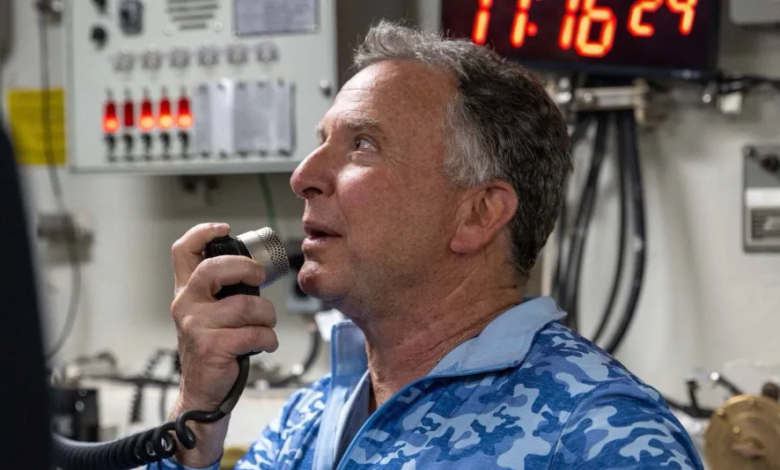

In a move carrying significant political and strategic implications, Steve Wittkopf and Jared Kushner paid a notable visit to the giant USS Abraham Lincoln aircraft carrier. This visit comes at a time of escalating tensions in the Middle East, lending the event a special significance that transcends a mere routine inspection tour, reflecting a renewed American interest in regional security arrangements.
General context and strategic implications
The aircraft carrier USS Abraham Lincoln is one of the most important vessels in the US Navy fleet. A nuclear-powered Nimitz-class ship, its presence in the region not only represents a significant military force but also a powerful deterrent and a reaffirmation of the US commitment to protecting its strategic interests and allies in the region. Visits by figures of Kushner's and Wojtkov's stature further underscore the continued US engagement in the region's volatile issues.
Character background and influence
This visit cannot be understood in isolation from the political backgrounds of the visitors. Jared Kushner, President Donald Trump's son-in-law and former advisor, was the chief architect of the so-called "Abraham Accords," which reshaped the diplomatic landscape of the region. His presence aboard the aircraft carrier evokes memories of the policies pursued by the previous administration and the possibility of building upon them in the future. As for Steve Witkopf, he is a prominent figure close to decision-making circles, and his appointment or involvement in such matters indicates the incoming administration's intention to strengthen its presence in the Middle East.
Timing and regional significance
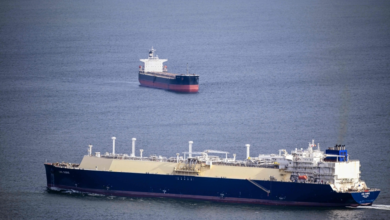
The visit gains paramount importance from its timing, as the region is experiencing security and military turmoil on several fronts. The presence of aircraft carriers in the Mediterranean, the Red Sea, or the Arabian Gulf is typically linked to efforts to secure international shipping lanes and ensure the flow of energy, in addition to supporting military operations and monitoring hostile movements. Therefore, the inspection of this naval vessel reflects a close monitoring of the US military's readiness to respond to any contingency.
Messages for inside and outside
In conclusion, this visit is not merely a passing event, but a dual message: to the American public that national security is linked to the stability of the Middle East, and to the outside world—to both allies and adversaries—that the United States maintains its deterrent capabilities and high level of readiness. The link between diplomacy (represented by Kushner and Woitkoff) and military force (represented by Abraham Lincoln) illustrates the approach that may prevail in dealing with the region's crises in the coming period.