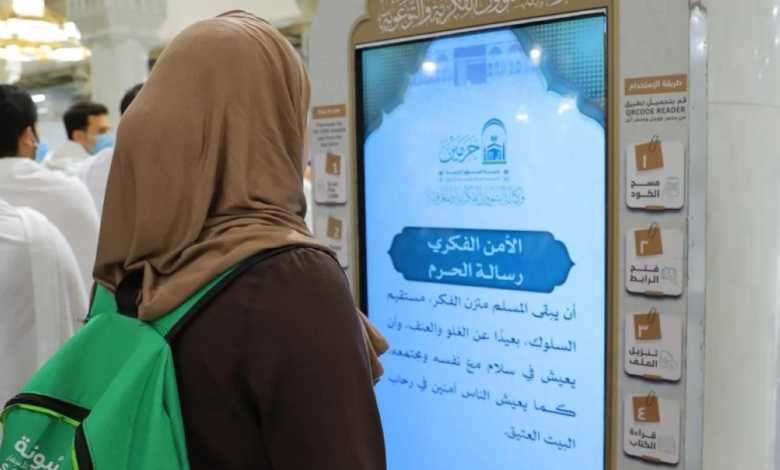

أعلنت رئاسة الشؤون الدينية بالمسجد الحرام والمسجد النبوي عن تحقيق إنجاز لافت في خدمة قاصدات بيت الله الحرام، حيث استفادت أكثر من 229 ألف امرأة من منظومة الخدمات والبرامج النسائية المتكاملة التي قُدمت في رحاب المسجد الحرام خلال شهر ذي القعدة. تأتي هذه الجهود ضمن استراتيجية الرئاسة الهادفة إلى إثراء التجربة الدينية والمعرفية للزائرات، وتوفير بيئة تعبدية آمنة ومحفزة تساعدهن على أداء مناسكهن بيسر وطمأنينة.
تفاصيل البرامج وأعداد المستفيدات
توزعت أعداد المستفيدات على مجموعة متنوعة من المسارات الإثرائية والعلمية والتطوعية، مما يعكس شمولية الخدمات المقدمة. وبحسب الإحصاءات الصادرة عن الرئاسة، فقد شملت الأرقام ما يلي:
- البرامج التوعوية والإرشادية: استفادت منها أكثر من 202 ألف امرأة، حيث قُدمت لهن إرشادات دينية وميدانية بلغات متعددة لتسهيل رحلتهن الإيمانية.
- الحلقات القرآنية: انضمت أكثر من 21 ألف مستفيدة إلى حلقات تحفيظ ومراجعة القرآن الكريم، التي تهدف إلى ربط قاصدات الحرمين الشريفين بكتاب الله.
- الأعمال التطوعية: شاركت أكثر من 2,450 متطوعة في خدمة ضيفات الرحمن، مما يعزز قيم التكافل وخدمة المجتمع في أطهر بقاع الأرض.
- الدروس العلمية: حضر أكثر من 1,000 امرأة الدروس والمحاضرات العلمية التي يقدمها علماء ومدرسون متخصصون.
- خدمة إجابة السائلات: تم تقديم الفتاوى والإجابات الشرعية لأكثر من 825 سائلة عبر مكاتب مخصصة، مما يضمن حصولهن على المعلومة الدينية الصحيحة.
السياق العام وأهمية الخدمات النسائية
تاريخيًا، لعبت المرأة دورًا محوريًا في الحياة الدينية والعلمية في الحرمين الشريفين. وتأتي هذه البرامج الحديثة كاستمرار وتطوير لهذا الإرث العظيم، ولكن في إطار مؤسسي منظم يواكب متطلبات العصر. وتندرج هذه المبادرات ضمن مستهدفات رؤية السعودية 2030، التي تولي اهتمامًا كبيرًا بتحسين جودة الخدمات المقدمة لضيوف الرحمن، وضمان توفير تجربة روحانية متكاملة وميسرة للجميع، بمن فيهم النساء اللاتي يشكلن نسبة كبيرة من الحجاج والمعتمرين والزوار.
التأثير المحلي والدولي
على الصعيد المحلي، تساهم هذه البرامج في تعزيز الوعي الديني لدى المواطنات والمقيمات، وتفتح أمامهن آفاقًا واسعة للمشاركة في العمل التطوعي وطلب العلم الشرعي. أما على الصعيد الدولي، فإن تقديم خدمات متخصصة وعالية الجودة للنساء من مختلف أنحاء العالم يعكس الصورة الحضارية للمملكة العربية السعودية واهتمامها البالغ براحة وخدمة قاصدات بيت الله الحرام. إن هذه التجربة الإيجابية التي تعيشها الزائرات تنعكس بشكل مباشر على انطباعاتهن عند عودتهن إلى بلدانهن، حيث يصبحن سفيرات ينقلن ما وجدنه من حفاوة ورعاية وعلم نافع، مما يعزز مكانة المملكة كقلب نابض للعالم الإسلامي.
وأكدت رئاسة الشؤون الدينية أنها مستمرة في تطوير منظومتها الخدمية النسائية، وتوظيف التقنيات الحديثة، وتوسيع نطاق اللغات المستخدمة في برامجها، بهدف الوصول إلى أكبر عدد ممكن من المستفيدات ونشر رسالة الحرمين الشريفين القائمة على الوسطية والاعتدال والتسامح.