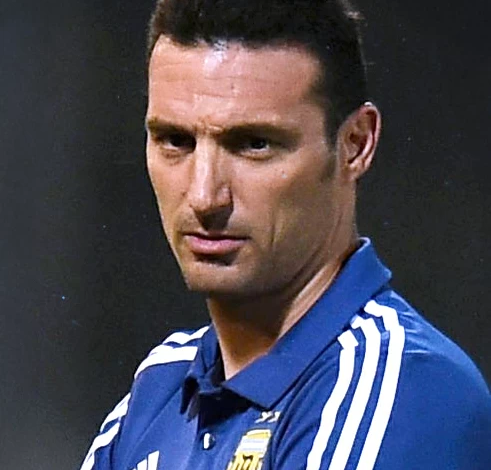

مع اقتراب انطلاق نهائيات كأس العالم 2026، الحدث الكروي الأضخم الذي سيقام لأول مرة في ثلاث دول هي الولايات المتحدة الأمريكية وكندا والمكسيك، بدأت الملامح الفنية للبطولة تتضح. وبنظامها الجديد الذي يضم 48 منتخباً، لا يقتصر الترقب على هوية المنتخبات المشاركة فحسب، بل يمتد ليشمل العقول المدبرة على مقاعد البدلاء. وتكشف الإحصاءات الأولية عن خريطة جنسيات مدربي كأس العالم 2026، والتي تُظهر هيمنة واضحة للمدرستين الأوروبية والأرجنتينية، مما يبشر ببطولة غنية بالتنوع التكتيكي والمواجهات الفنية من الطراز الرفيع.
هيمنة تاريخية للمدارس الكبرى
لم تكن صدارة الأرجنتين وأوروبا لقائمة جنسيات المدربين وليدة الصدفة، بل هي امتداد لإرث كروي عريق. فلطالما كانت الأرجنتين مصدراً للمواهب التدريبية التي تجمع بين الشغف والذكاء التكتيكي، وهو ما تجلى في نجاحات مدربين كبار على الساحة العالمية. في المقابل، تُمثل أوروبا بوتقة تنصهر فيها أعرق الفلسفات الكروية، من “الكاتيناتشو” الإيطالي الصلب، إلى “الكرة الشاملة” الهولندية، مروراً بـ”التيكي تاكا” الإسبانية والدقة التكتيكية الألمانية. هذا الإرث التاريخي يجعل من مدربي هذه المدارس الخيار الأول للعديد من الاتحادات الوطنية الطامحة لتحقيق إنجاز تاريخي في المونديال.
خريطة جنسيات مدربي كأس العالم 2026 بالأرقام
تشير الأرقام الأولية إلى أن المدرسة الأرجنتينية تتصدر القائمة بخمسة مدربين، مما يعكس الثقة الكبيرة في الفكر التدريبي القادم من بلاد التانغو. وتأتي بعدها مباشرة المدارس الأوروبية الكبرى، حيث تتقاسم إيطاليا وإسبانيا وفرنسا المركز الثاني بأربعة مدربين لكل منها، تليها ألمانيا وهولندا بمدربين لكل دولة. هذا التوزيع يؤكد أن المعركة التكتيكية في مونديال 2026 ستكون بنكهة أوروبية-لاتينية بامتياز.
أبرز الأسماء على الساحة
يقود الحضور الأرجنتيني أسماء لامعة مثل ليونيل سكالوني، بطل النسخة الماضية، ومارسيلو بيلسا، ونيستور لورينزو، وماوريسيو بوتشيتينو. أما المدرسة الإيطالية، فيمثلها المخضرم كارلو أنشيلوتي وفينتشينزو مونتيلا. وتبرز إسبانيا بأسماء مثل جولين لوبيتيغي ولويس دي لا فوينتي، بينما تقود فرنسا كتيبة من المدربين على رأسهم ديدييه ديشامب وصبري لموشي. ويمثل المدرسة الألمانية كل من جوليان ناغلسمان وتوماس توخيل، فيما يبرز من هولندا رونالد كومان.
التأثير المتوقع على هوية البطولة
إن هذا التنوع في الجنسيات التدريبية من المتوقع أن يلقي بظلاله على هوية البطولة. فالمواجهات لن تكون فقط بين اللاعبين على أرض الملعب، بل ستكون صراعاً تكتيكياً بين فلسفات مختلفة، مما يضمن مباريات غنية بالخطط الفنية المتباينة ويرفع من مستوى التشويق. وعلى صعيد المنتخبات العربية، يبرز حضور المدرب اليوناني دونيس، إلى جانب المصري حسام حسن، والمغربيين محمد وهبي وجمال السلامي، في محاولة لترك بصمة عربية في هذا المحفل العالمي الكبير، سواء بقيادة فنية وطنية أو أجنبية ذات خبرة.