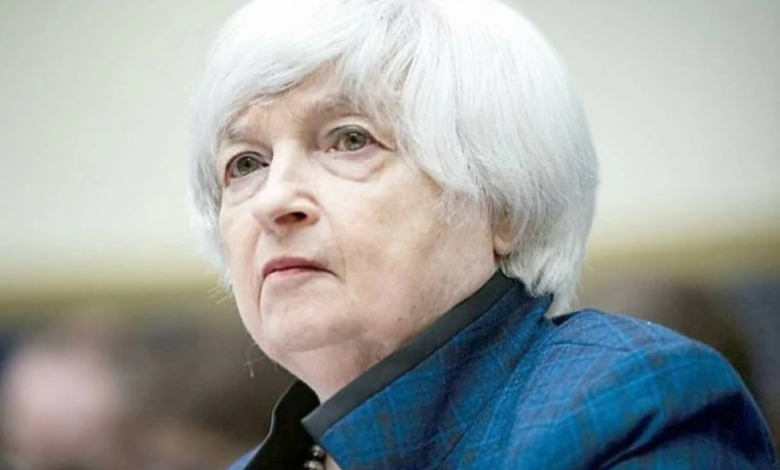
Former Federal Reserve Chair Janet Yellen warned that any potential military escalation or open war with Iran would have severe economic consequences, not only for the region but also for the global and US economies. Speaking via video link at a conference organized by S&P Global, Yellen emphasized that the immediate repercussions of such a conflict would inevitably hinder economic growth and increase inflationary pressures, presenting the Federal Reserve with a significant dilemma.
The Strait of Hormuz: A global energy artery in danger
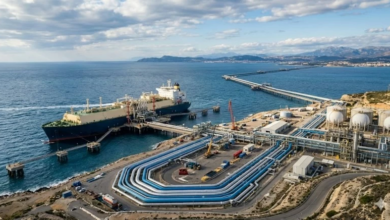
In her analysis of geopolitical risks, Yellen highlighted the strategic importance of the Strait of Hormuz, the world's most vital oil shipping lane. She explained that a prolonged closure of the strait, even for just a few days, due to military action would not only keep energy prices high but could also drive them to unprecedented levels. Historically and economically, approximately one-fifth of the world's oil supply passes through the Strait of Hormuz, and any disruption there would create a supply shock, driving up global production and transportation costs and directly impacting consumer prices for both American and European consumers.
The complexity of the Fed's task and the interest rate path
Yellen indicated that the current situation and geopolitical uncertainty are making the US Federal Reserve more hesitant and cautious about cutting interest rates. While markets were anticipating monetary easing, these tensions are reshuffling the cards; rising oil prices are fueling inflation, and combating inflation typically requires keeping interest rates high, which contradicts the Fed's desire to ease monetary tightening to support growth.
The psychology of inflation and the risks of losing confidence
Yellen addressed a crucial point concerning the "psychology of inflation," noting that the Federal Reserve fears the entrenchment of high inflation expectations among consumers and investors. She stated that officials' greatest concern is the possibility that markets will lose confidence in the central bank's ability to bring inflation back to its 2% target. This scenario, if it materializes, could lead to tacit acceptance of permanently high inflation rates, harming purchasing power and threatening long-term financial stability.
An optimistic outlook amidst the risks
Despite the grim prospect of a potential war, Yellen maintained a tone of cautious optimism about the economic fundamentals of the United States, describing the American economy as still enjoying "good health" and the ability to absorb, provided things do not get out of control for extended periods.