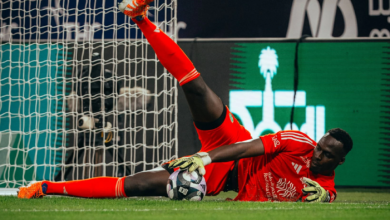

Saudi football stadiums, particularly in the Yellow League (First Division), are witnessing an unprecedented and intense flurry of coaching activity, with the substitutes' benches becoming a veritable "guillotine" that has claimed the heads of 11 coaches across 10 different clubs. This intense activity comes at a critical juncture, as clubs strive to get back on track before the season enters its final stretch, clearly indicating the heightened competitiveness and rising ambitions.
Motives for change and the struggle for advancement
These sweeping changes cannot be understood in isolation from the broader context of Saudi football. The Yellow League has become the golden gateway to the Saudi Professional League, meaning that securing a promotion spot guarantees substantial financial returns and a prestigious position among the elite. This immense pressure places club management under intense public scrutiny, making the head coach's position the most vulnerable point in the event of any setback. Management then desperately seeks a quick "positive shock" to salvage the situation, whether to avoid relegation or to boost their chances of promotion.
Details of the changes: Between local expertise and European ambition
The campaign of changes included various football schools, as Al-Ta’ee Club the corrective journey by ending the relationship with the Spaniard Carlos Hernandez, and resorting to the national coach Khalil Al-Muhanna, before recent news indicated his departure as well due to poor results, in a scene that reflects the state of instability.
At , the most turbulent club Al-Diriyah for the strict Dutch school of coaching, hiring Alfred Schreuder to replace Frenchman Sabri Lamouchi.
The return of the Tunisian school and the big names
As is typical of the Yellow League, the Tunisian school remains a preferred option due to its experience in the intricacies of the competition. Al-Zulfi the experienced coach Habib Ben Ramadan to replace the national Khalid Al-Qarouni, Al-Arabi Ghazi Al-Gharairi as a replacement for the Spaniard Lopez Joaquin, while Al-Jandal the Tunisian Abdul-Razzaq Al-Shabi after the departure of the Serbian Zoran.
In a remarkable move reflecting purchasing power and competitiveness, Al-Ula Club with the famous Portuguese coach, José Peseiro, who has extensive international experience, to succeed the Tunisian Youssef Al-Manaei, in a big bet on big names.
The changes also included Al-Adalah Club , which brought in Frenchman Didier Gomes, and Al-Jubail, which returned to the national option with Khaled Al-Nuaimi, in addition to the change in Al-Wahda Club (within the context of the general football movement) with the departure of Sierra and the arrival of Bosnian Rusmir Tsviko.
Impact of changes on the future of the league
These radical changes present clubs with the challenge of "adapting quickly." With the points so close and the competition intensifying in the second half of the season, there will be no room for error. The question remains: will these new faces succeed in revitalizing their teams and achieving their objectives, or will the cycle of dismissals continue to destabilize the teams? The coming days in the Yellow League will tell.