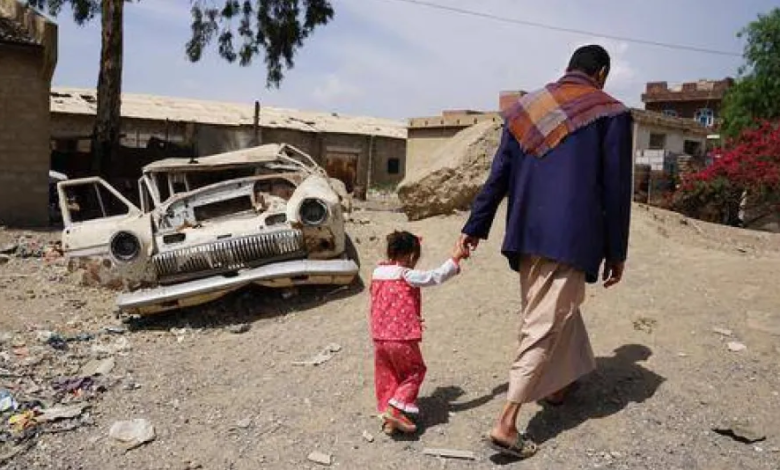

يعيش اليمن واحدة من أسوأ الأزمات الإنسانية في العصر الحديث، حيث تشير التقارير الأممية والدولية إلى أن ملايين اليمنيين عاجزون تماماً عن تأمين احتياجاتهم اليومية من الغذاء. هذه الأزمة لم تكن وليدة اللحظة، بل هي نتاج سنوات طويلة من الصراع المستمر الذي ألقى بظلاله الكارثية على كافة مناحي الحياة الاقتصادية والاجتماعية في البلاد، مما جعل الأمن الغذائي حلماً بعيد المنال لشريحة واسعة من السكان.
السياق العام والخلفية التاريخية للأزمة
تعود جذور الأزمة الإنسانية الحالية في اليمن إلى أواخر عام 2014 وتصاعدت وتيرتها بشكل كبير في عام 2015 مع اندلاع النزاع المسلح الشامل. قبل هذا التاريخ، كان اليمن يعاني بالفعل من تحديات تنموية واقتصادية كبيرة، كونه أحد أفقر الدول في منطقة الشرق الأوسط. ومع استمرار الصراع المسلح، تعرضت البنية التحتية الحيوية للدمار، بما في ذلك الطرق، والمستشفيات، والموانئ، والمرافق الزراعية. هذا الدمار الممنهج أدى إلى شلل شبه تام في سلاسل الإمداد الغذائي والتجاري، مما جعل البلاد تعتمد بشكل شبه كلي على المساعدات الإنسانية الخارجية والواردات التي تواجه بدورها قيوداً شديدة وتحديات لوجستية معقدة.
الأسباب الرئيسية لتفاقم انعدام الأمن الغذائي
لا يقتصر العجز عن تأمين الغذاء على ندرة المواد الغذائية فحسب، بل يرتبط بشكل وثيق بالانهيار الاقتصادي الشامل. فقد شهد الريال اليمني تدهوراً تاريخياً غير مسبوق أمام العملات الأجنبية، مما أدى إلى ارتفاع جنوني في أسعار السلع الأساسية والمواد الغذائية. بالإضافة إلى ذلك، أدى انقطاع رواتب مئات الآلاف من الموظفين الحكوميين لسنوات، وفقدان الكثيرين لمصادر دخلهم في القطاع الخاص، إلى تآكل القدرة الشرائية للمواطن اليمني. كما أن النزوح الداخلي لملايين الأشخاص هرباً من مناطق النزاع ضاعف من حجم المأساة، حيث تعيش آلاف الأسر في مخيمات تفتقر إلى أبسط مقومات الحياة الكريمة ومصادر الدخل.
التأثيرات والتداعيات: محلياً وإقليمياً ودولياً
على الصعيد المحلي، تظهر التداعيات الأكثر قسوة في معدلات سوء التغذية الحاد، خاصة بين الأطفال دون سن الخامسة والنساء الحوامل والمرضعات. المستشفيات والمراكز الصحية المتبقية تقف عاجزة أمام الأعداد المتزايدة من حالات سوء التغذية بسبب نقص الأدوية والمستلزمات الطبية. أما على الصعيدين الإقليمي والدولي، فإن استمرار هذه الكارثة يشكل ضغطاً هائلاً على وكالات الإغاثة التابعة للأمم المتحدة، مثل برنامج الأغذية العالمي ومنظمة اليونيسف، التي تواجه تحديات مستمرة في تأمين التمويل اللازم لاستمرار برامجها الإغاثية. كما أن تفاقم الأزمة الإنسانية ينذر بمزيد من عدم الاستقرار في المنطقة، مما يجعل الوصول إلى تسوية سياسية شاملة أمراً بالغ الأهمية ليس فقط لإنقاذ الأرواح، بل لضمان الأمن الإقليمي والدولي.
دعوات مستمرة للتدخل العاجل
في ظل هذه المعطيات القاتمة، تستمر التحذيرات الدولية من انزلاق اليمن نحو مجاعة شاملة إذا لم يتم اتخاذ خطوات عاجلة وجادة. يتطلب الوضع الراهن تضافر الجهود الدولية لزيادة حجم المساعدات الإنسانية، والعمل على استقرار الاقتصاد اليمني، ودعم سبل العيش للمجتمعات المحلية. الأهم من ذلك كله، يبقى إنهاء الصراع وإحلال السلام الشامل هو الحل الجذري الوحيد لإنهاء معاناة ملايين اليمنيين وإعادة بناء ما دمرته الحرب، ليتمكنوا من استعادة حقهم الأساسي في الغذاء والحياة الكريمة.