The health sector in Yemen: The challenges of epidemics and ongoing Saudi support

Yemen’s health sector is experiencing one of its darkest periods in history, impacted by the repercussions of years of conflict that have severely damaged infrastructure and essential services. Amid this humanitarian crisis, which the United Nations classifies as one of the worst globally, numerous challenges threaten the lives of millions of Yemenis, ranging from the outbreak of seasonal epidemics and a lack of international funding to the ongoing exodus of qualified medical personnel.
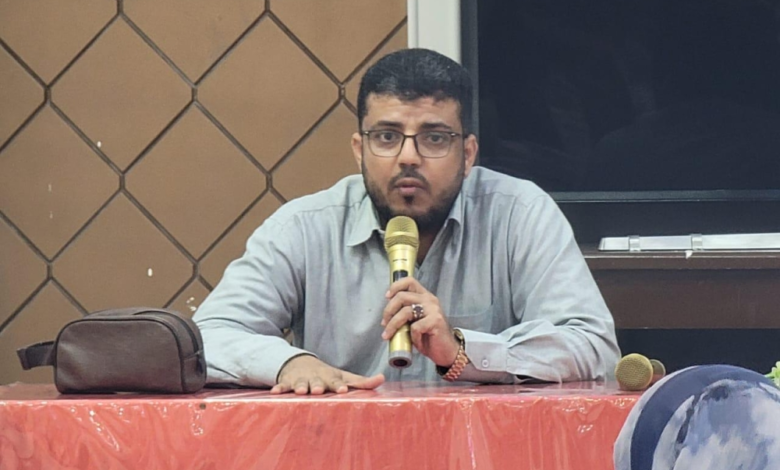
In this complex context, the regional and international role has emerged as a crucial factor in the survival of the health system. While support from some quarters has dwindled or become haphazard, Saudi support has stood out as a cornerstone and a safety valve preventing the complete collapse of vital facilities. Al-Youm newspaper conducted an extensive interview with Dr. Abdulraqib Al-Haidari, Assistant Undersecretary for the Population Sector at the Yemeni Ministry of Public Health and Population, to shed light on the state of healthcare in Yemen, the challenges of epidemics, and the pivotal role of the Kingdom of Saudi Arabia.
Context of the crisis: Infrastructure collapse and sustainability challenges
Since the outbreak of the crisis, Yemen's health infrastructure has suffered extensive damage. International reports indicate that nearly half of the country's health facilities are operating at half capacity or have ceased functioning entirely. This situation has placed immense pressure on the remaining hospitals and medical centers, particularly in rural and remote areas lacking even the most basic healthcare. The challenge is no longer limited to providing medicine; it now extends to securing fuel to operate generators and paying medical staff salaries to ensure their continued employment.
In his interview, Dr. Al-Haidari emphasized that the health sector is going through a highly sensitive phase due to the combined effects of war and economic decline. He pointed out that "maintaining services has become the biggest challenge, not just developing them," explaining that the fragile operation of facilities and the widening funding gap have increased reliance on external support.
Epidemics and the brain drain: The silent danger
The discussion addressed the issue of epidemics such as cholera and dengue fever, which continue to pose a recurring seasonal threat. The Undersecretary of the Ministry of Health explained that the severity of these epidemics is linked to the level of funding and water and sanitation services, warning that any decline in preparedness could lead to a rapid relapse. The importance of vaccines as a first line of defense was also highlighted, amid genuine concerns about potential vaccination gaps should logistical support be disrupted.
On the other hand, Al-Haidari described the emigration of medical professionals as a "silent challenge" and the most serious in the long run. Losing a specialist doctor means losing years of experience and training, necessitating radical solutions related to improving job security and income to stem this brain drain.
The Saudi role: Emergency response and sustainable development
While international support has fluctuated, Dr. Al-Haidari described the Saudi role as "the most consistent, clear, and impactful." He emphasized that the Kingdom, through the King Salman Humanitarian Aid and Relief Center and the Saudi Program for the Development and Reconstruction of Yemen, has treated the health crisis not merely as an emergency, but as an ongoing fraternal responsibility.
Saudi interventions included:
- Supporting and operating key health facilities in various governorates.
- Providing life-saving medicines and medical supplies on a regular basis.
- Supporting training and qualification programs for medical personnel to improve performance efficiency.
- Implementing development-oriented projects that enhance the sustainability of services.
Al-Haidari pointed out that this support filled the void left by the withdrawal of other parties, and was characterized by full coordination with the Yemeni government and respect for institutional sovereignty, which contributed to saving lives and reducing human suffering.
Challenges of international coordination and future vision
Regarding the roles of other parties, Al-Haidari pointed to problems in the support mechanism of some entities, such as Emirati interventions that bypassed official channels of the Ministry of Health, leading to weak coordination and duplication of efforts. He affirmed the government's firm stance of welcoming any support channeled through official frameworks and rejecting the politicization of humanitarian work.
The dialogue concluded with the Ministry’s vision for the future of the health system, which is based on moving from “crisis management” to “system building,” through strengthening governance, investing in human resources, and moving towards sustainable financing mechanisms, stressing that the strategic partnership with the Kingdom of Saudi Arabia is the cornerstone of this vision to ensure health security for Yemen and the region.