
تفاصيل اتفاق إطلاق سراح الأسرى في اليمن
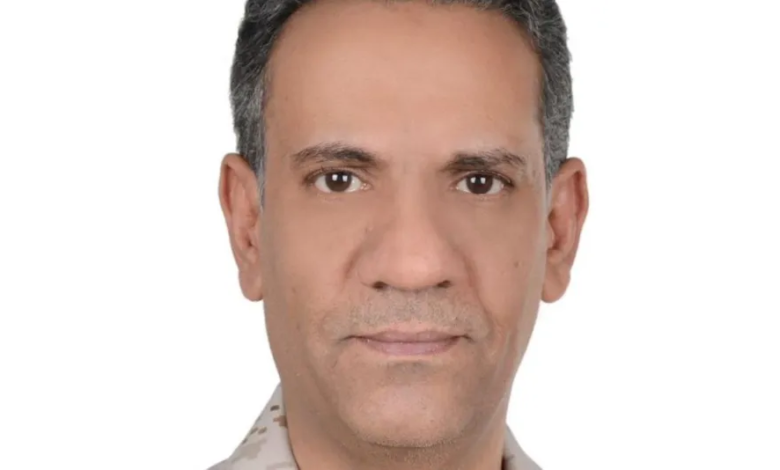
في تطور إيجابي بارز على الساحة اليمنية، أعلن التحالف العربي لدعم الشرعية عن التوصل إلى اتفاق شامل ومهم يقضي بإطلاق سراح 1750 أسيراً ومحتجزاً من كافة الأطراف اليمنية. يمثل هذا الاتفاق خطوة إنسانية جوهرية تهدف إلى التخفيف من معاناة آلاف العائلات اليمنية التي انتظرت عودة أبنائها لسنوات طويلة. ويأتي هذا الإعلان تتويجاً لجهود وساطة مكثفة ومفاوضات شاقة رعتها الأمم المتحدة، بهدف بناء الثقة بين الأطراف المتنازعة وتمهيد الطريق نحو تسوية سياسية شاملة تنهي الصراع الدائر في البلاد.
السياق العام والخلفية التاريخية للأزمة اليمنية
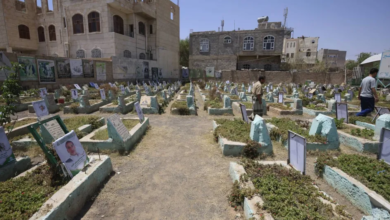
يعيش اليمن منذ أواخر عام 2014 صراعاً مسلحاً دموياً، تفاقم مع تدخل التحالف العربي في مارس 2015 لدعم الحكومة الشرعية المعترف بها دولياً. وقد أسفرت هذه الحرب المستمرة عن واحدة من أسوأ الأزمات الإنسانية في العالم بحسب تصنيفات الأمم المتحدة، حيث بات الملايين من اليمنيين بحاجة ماسة إلى المساعدات الإغاثية والطبية. وفي خضم هذا الصراع، برز ملف الأسرى والمختطفين كأحد أكثر الملفات الإنسانية تعقيداً وحساسية. وقد شكل “اتفاق ستوكهولم” المبرم في أواخر عام 2018 حجر الأساس لمبدأ تبادل الأسرى “الكل مقابل الكل”، ورغم التعثرات العديدة التي واجهت تنفيذ هذا المبدأ، إلا أن الجولات التفاوضية المتعاقبة في جنيف وعمّان نجحت في إحداث اختراقات جزئية، وصولاً إلى هذا الاتفاق الأخير الذي يشمل 1750 أسيراً.
أهمية الحدث وتأثيره المتوقع محلياً وإقليمياً
يحمل اتفاق تبادل الأسرى في اليمن أبعاداً إنسانية وسياسية عميقة تتجاوز مجرد إطلاق سراح المحتجزين. على الصعيد المحلي، يساهم هذا الحدث في لم شمل مئات الأسر اليمنية، مما ينعكس إيجاباً على النسيج المجتمعي ويخفف من الاحتقان الشعبي. كما يُعد خطوة أساسية في بناء جدار الثقة المفقود بين الحكومة اليمنية وجماعة الحوثي، وهو شرط أساسي لنجاح أي حوار سياسي مستقبلي. أما على الصعيدين الإقليمي والدولي، فإن نجاح هذا الاتفاق يبعث برسائل طمأنة للمجتمع الدولي بأن الحل السلمي لا يزال ممكناً. ويُظهر الاتفاق التزام التحالف العربي بدعم المبادرات الإنسانية وتسهيل جهود المبعوث الأممي إلى اليمن، مما يعزز من فرص التهدئة الإقليمية ويخدم أمن واستقرار المنطقة بشكل عام.
دور الأمم المتحدة واللجنة الدولية للصليب الأحمر
لا يمكن إغفال الدور المحوري الذي تلعبه المنظمات الدولية في إنجاح مثل هذه الصفقات المعقدة. تتولى اللجنة الدولية للصليب الأحمر مسؤولية الإشراف اللوجستي والطبي على عملية نقل وإطلاق سراح الأسرى. وتقوم طواقم الصليب الأحمر بإجراء مقابلات فردية مع المحتجزين للتأكد من هوياتهم ورغبتهم في العودة، بالإضافة إلى تقديم الرعاية الطبية اللازمة للمرضى والمصابين منهم قبل صعودهم إلى طائرات النقل. من جهتها، توفر الأمم المتحدة المظلة السياسية والضمانات اللازمة لضمان التزام جميع الأطراف بتنفيذ بنود الاتفاق دون خروقات، مما يعكس تضافر الجهود الدولية لإنهاء المأساة اليمنية.
آفاق المستقبل: نحو سلام دائم في اليمن
يُجمع المراقبون السياسيون على أن اتفاق إطلاق سراح 1750 أسيراً يجب ألا يكون نهاية المطاف، بل ينبغي استثماره كقوة دافعة لتفعيل مسار السلام الشامل. إن الانتقال من الهدن المؤقتة والاتفاقيات الجزئية إلى وقف إطلاق نار دائم يتطلب إرادة سياسية حقيقية من جميع الأطراف اليمنية. ويبقى الأمل معقوداً على أن تشكل هذه الخطوة الإنسانية الناجحة حافزاً للجلوس إلى طاولة المفاوضات ومناقشة الملفات الشائكة الأخرى، مثل فتح الطرقات المحاصرة، وصرف رواتب الموظفين، واستئناف تصدير النفط، وصولاً إلى يمن آمن ومستقر ينعم فيه المواطنون بالسلام والرخاء.