Muscat negotiations: A Yemeni prisoner exchange deal includes 2,900 detainees

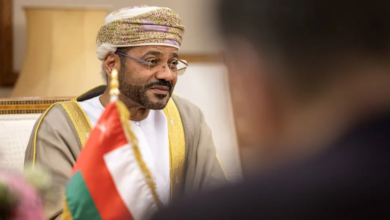
The Omani capital, Muscat, is witnessing intense diplomatic activity and crucial negotiations between the Yemeni warring parties, aimed at finalizing one of the largest prisoner and detainee exchange deals since the outbreak of the war. Discussions are focused on lists containing approximately 2,900 names from both sides. These negotiations are being conducted under the direct auspices of the Office of the Special Envoy of the Secretary-General of the United Nations to Yemen, in cooperation with the International Committee of the Red Cross, in a serious effort to resolve this complex humanitarian issue.
This round of negotiations is of exceptional importance given the large number of names on the table, as the government delegation and the Houthi delegation seek to agree on the "all for all" principle long advocated by human rights organizations and the United Nations. The lists under discussion include prominent military leaders, political figures, as well as civilians and detainees held in connection with the events, making the success of this deal a genuine breakthrough in the Yemeni crisis.
General context and historical background of the prisoners' file
The issue of prisoners and abductees is one of the most complex and sensitive aspects of the Yemeni war, which has been ongoing since 2014. This issue has witnessed numerous developments, most notably the 2018 Stockholm Agreement, which established a general framework for prisoner exchanges. However, its implementation has faced many obstacles. Despite this, previous mediation efforts have succeeded in facilitating successful exchanges, most notably in October 2020 and April 2023, which resulted in the release of hundreds of detainees, thus providing a foundation upon which to build in the current negotiations in Muscat.
Oman's role and the importance of the event regionally and internationally
The Sultanate of Oman is playing a pivotal role in facilitating these talks, leveraging its balanced relations with all parties and its steadfast neutrality. The international and regional community views the current Muscat negotiations with optimism, as the successful exchange of 2,900 prisoners is seen as a strong indicator of the potential for building the trust necessary to move towards comprehensive political negotiations aimed at achieving a ceasefire and a final end to the war.
The anticipated impact of this deal extends beyond the political sphere; it carries a profound humanitarian dimension, touching the lives of thousands of Yemeni families who have been waiting for years for the return of their loved ones. Furthermore, closing this chapter will pave the way for addressing other humanitarian and economic issues, thereby enhancing the prospects for stability in the region and mitigating regional tensions—a goal strongly supported by the international community at present.