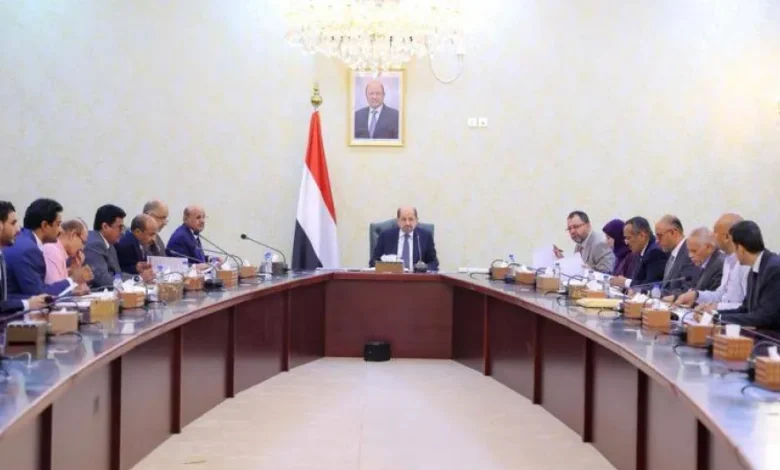

مقدمة عن إنشاء الوحدة اليمنية الجديدة
في خطوة استراتيجية تهدف إلى تعزيز التعافي الاقتصادي، تم الإعلان عن إنشاء وحدة يمنية لتنظيم وإدارة الشراكات مع القطاع الخاص. تأتي هذه الخطوة في وقت حرج يمر فيه الاقتصاد اليمني بتحديات غير مسبوقة، حيث تسعى الحكومة إلى إيجاد بدائل مستدامة لتمويل المشاريع التنموية وتحسين مستوى الخدمات العامة المقدمة للمواطنين. إن تأسيس هذه الوحدة يمثل تحولاً نوعياً في الفكر الاقتصادي الحكومي، حيث يتم الانتقال من الاعتماد الكلي على الموارد الحكومية المحدودة إلى خلق بيئة تشاركية تدمج بين قدرات الدولة ومرونة وكفاءة القطاع الخاص.
السياق العام والخلفية التاريخية للاقتصاد اليمني
تاريخياً، عانى الاقتصاد اليمني من اختلالات هيكلية عميقة، تفاقمت بشكل كبير خلال سنوات الصراع الطويلة التي أدت إلى تدمير البنية التحتية وتراجع حاد في الناتج المحلي الإجمالي. في الماضي، كان الاعتماد منصباً بشكل رئيسي على عائدات النفط والغاز والمساعدات الخارجية، بينما كان دور القطاع الخاص مهمشاً في قيادة قاطرة التنمية. ومع استمرار الأزمة وتراجع الإيرادات العامة، برزت الحاجة الماسة إلى إعادة صياغة العلاقة بين القطاعين العام والخاص. لقد أدركت المؤسسات الاقتصادية اليمنية، بدعم من شركاء التنمية الدوليين، أن إعادة الإعمار وتحقيق الاستقرار المالي يتطلبان إطاراً مؤسسياً وقانونياً واضحاً يحمي المستثمرين ويضمن الشفافية، وهو ما يفسر التوجه نحو إنشاء هذه الوحدة المتخصصة.
أهمية الحدث والتأثير المتوقع محلياً
على الصعيد المحلي، يحمل إنشاء وحدة تنظيم وإدارة الشراكات مع القطاع الخاص آمالاً كبيرة في تحريك عجلة الاقتصاد. من المتوقع أن تسهم هذه الوحدة في جذب رؤوس الأموال المحلية المهاجرة أو المجمدة، وتوجيهها نحو مشاريع حيوية في قطاعات الطاقة، المياه، الصحة، والتعليم. كما أن تفعيل الشراكة سيعمل على خلق آلاف فرص العمل للشباب اليمني، مما يساهم في التخفيف من معدلات البطالة والفقر المرتفعة. علاوة على ذلك، ستساعد هذه الخطوة في تخفيف العبء المالي عن كاهل الموازنة العامة للدولة، وتحسين جودة الخدمات الأساسية من خلال الاستفادة من التكنولوجيا الحديثة وأساليب الإدارة المتقدمة التي يمتلكها القطاع الخاص.
التأثير الإقليمي والدولي ورسائل الطمأنة
إقليمياً ودولياً، يبعث تأسيس هذه الوحدة برسائل إيجابية قوية للمجتمع الدولي والمنظمات المالية العالمية مثل البنك الدولي وصندوق النقد الدولي، فضلاً عن الدول المانحة في المنطقة. إن وجود جهة حكومية منظمة ومسؤولة عن الشراكات يعكس جدية الحكومة اليمنية في تنفيذ إصلاحات اقتصادية ومؤسسية حقيقية. هذا التطور من شأنه أن يشجع الصناديق الإقليمية والمستثمرين الأجانب على الدخول في السوق اليمنية، خاصة في مشاريع إعادة الإعمار وتطوير البنية التحتية. كما أنه يوفر ضمانات قانونية وإجرائية تعزز من ثقة المجتمع الدولي في قدرة اليمن على إدارة المساعدات والاستثمارات بكفاءة وشفافية، مما يمهد الطريق لاندماج الاقتصاد اليمني تدريجياً في المنظومة الاقتصادية الإقليمية والعالمية.
خلاصة
في الختام، لا يعد إنشاء وحدة يمنية لتنظيم وإدارة الشراكات مع القطاع الخاص مجرد إجراء إداري، بل هو حجر أساس لبناء اقتصاد يمني حديث ومستدام. إن نجاح هذه الوحدة سيعتمد بشكل كبير على تفعيل القوانين، محاربة الفساد، وتوفير بيئة استثمارية آمنة ومستقرة، لتكون بذلك نقطة انطلاق حقيقية نحو مستقبل اقتصادي مشرق يلبي تطلعات الشعب اليمني.