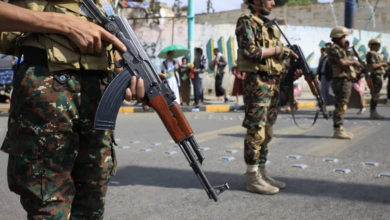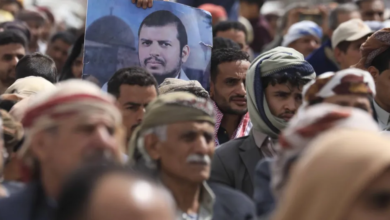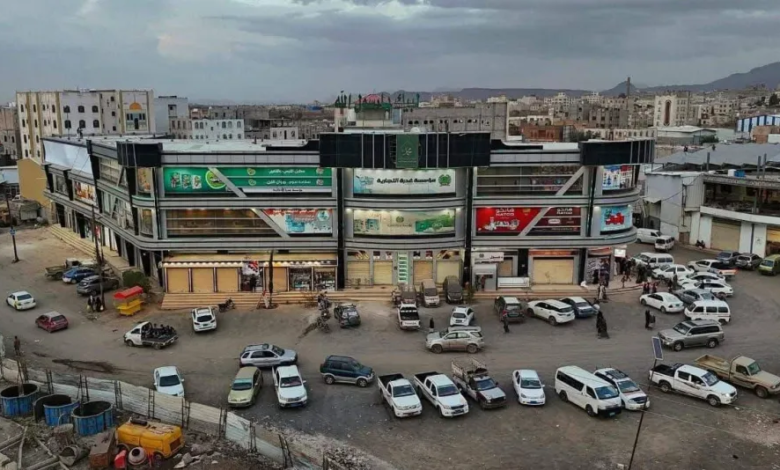

يحل شهر رمضان المبارك هذا العام على اليمنيين كضيف ثقيل الظل، ليس لذاته، بل لما يرافقه من أعباء اقتصادية ومعيشية خانقة حولت طقوس هذا الشهر الفضيل من الفرح والروحانية إلى القلق والبحث المضني عن لقمة العيش. وتأتي هذه المعاناة المتجددة في ظل استمرار سيطرة جماعة الحوثي على العاصمة صنعاء ومناطق واسعة من شمال اليمن، حيث تفرض سياسات اقتصادية وإدارية فاقمت من حدة الأزمة الإنسانية التي تصفها الأمم المتحدة بأنها الأسوأ في العالم.
سياق الأزمة: تدهور اقتصادي وجبايات موسمية
منذ اندلاع النزاع في اليمن وسيطرة الحوثيين على مؤسسات الدولة في أواخر عام 2014، شهد الاقتصاد اليمني انهياراً غير مسبوق. ومع حلول كل موسم رمضاني، تتضاعف معاناة المواطنين في مناطق سيطرة الجماعة نتيجة حملات الجبايات المكثفة التي تفرضها تحت مسميات متعددة، منها "الزكاة" و"دعم المجهود الحربي"، مما يجبر التجار على رفع أسعار السلع الغذائية الأساسية لتعويض الخسائر، وهو ما ينعكس مباشرة على جيب المواطن البسيط الذي فقد قدرته الشرائية بشكل شبه كامل.
وتشير التقارير الاقتصادية إلى أن انقسام المؤسسات المالية بين صنعاء وعدن، وفارق سعر الصرف، بالإضافة إلى القيود المفروضة على حركة البضائع، قد خلقت بيئة طاردة للاستقرار المعيشي. وفي هذا السياق، لم يعد اليمنيون ينتظرون رمضان لإحياء لياليه، بل باتوا يخشون قدومه بسبب المتطلبات التي يعجزون عن توفيرها في ظل انقطاع رواتب موظفي القطاع العام في مناطق سيطرة الحوثيين لسنوات طويلة.
تأثيرات غياب الرواتب واتساع رقعة الفقر
يُعد ملف الرواتب المنقطعة أحد أبرز العوامل التي حولت حياة اليمنيين إلى جحيم، حيث يعيش مئات الآلاف من الموظفين وعائلاتهم بلا دخل ثابت، معتمدين بشكل أساسي على المساعدات الإنسانية التي تضاءلت هي الأخرى مؤخراً بسبب نقص التمويل الدولي والقيود المفروضة على المنظمات الإغاثية. وقد أدى هذا الوضع إلى اتساع رقعة الفقر والمجاعة، حيث تجد آلاف الأسر نفسها عاجزة عن توفير وجبة إفطار متواضعة، مما يفرغ الشهر الكريم من مضمونه الاجتماعي القائم على التكافل، ليحل محله صراع يومي من أجل البقاء.
الأبعاد الاجتماعية والإنسانية للأزمة
لا تقتصر تداعيات هذه السياسات على الجانب الاقتصادي فحسب، بل تمتد لتشمل النسيج الاجتماعي اليمني. فقد غابت مظاهر الفرح التقليدية، واختفت العديد من العادات الرمضانية التي كانت تميز المجتمع اليمني، وحلت محلها مظاهر البؤس والشقاء. ويرى مراقبون أن استمرار الحوثيين في استغلال المناسبات الدينية لفرض المزيد من الإتاوات والتضييق على الحريات الشخصية والتجارية يهدد بتعميق الشرخ الاجتماعي ويزيد من حالة الاحتقان الشعبي، في وقت يحتاج فيه اليمنيون إلى حلول سياسية واقتصادية شاملة تنهي الحرب وتعيد للدولة مؤسساتها وللمواطن كرامته.