
يعاني الاقتصاد اليمني، الذي أنهكته سنوات الحرب الطويلة، من أزمة سيولة خانقة باتت تشكل أحد أخطر التحديات التي تواجه استقراره الهش. هذه الأزمة لا تقتصر على كونها مجرد مشكلة مالية، بل هي شريان حياة متوقف يؤثر بشكل مباشر على قدرة ملايين اليمنيين على تأمين أبسط مقومات العيش، ويهدد بشل ما تبقى من مؤسسات الدولة والقطاع الخاص، مما يفاقم من الكارثة الإنسانية التي وصفتها الأمم المتحدة بأنها الأسوأ في العالم.
جذور الأزمة: انقسام نقدي وصراع ممتد
لم تظهر أزمة السيولة من فراغ، بل هي نتيجة مباشرة لتداعيات الصراع الدائر منذ سنوات. تعود جذور المشكلة بشكل أساسي إلى عام 2016، مع قرار الحكومة المعترف بها دولياً بنقل مقر البنك المركزي اليمني من العاصمة صنعاء إلى عدن. هذا القرار أدى إلى انقسام حاد في أهم مؤسسة سيادية في البلاد، لينشأ بنكان مركزيان يتنافسان على إدارة السياسة النقدية، أحدهما في صنعاء والآخر في عدن. أدى هذا الانقسام إلى فوضى نقدية عارمة، حيث قام فرع عدن بطباعة كميات كبيرة من العملة الجديدة لمواجهة العجز في دفع الرواتب والنفقات، بينما رفضت السلطات في صنعاء تداول هذه الطبعات الجديدة، مما خلق سعرين مختلفين للريال اليمني داخل البلد الواحد وعمّق من انعدام الثقة في القطاع المصرفي.
تداعيات شح السيولة على حياة اليمنيين و الاقتصاد اليمني
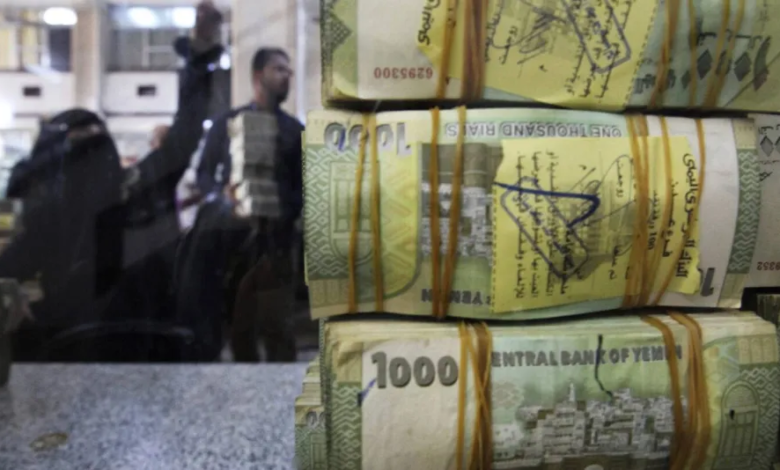
تتجلى آثار هذه الأزمة في كل جانب من جوانب الحياة اليومية. فمع فقدان الثقة بالبنوك، لجأ التجار والمواطنون إلى سحب مدخراتهم والاحتفاظ بها كنقد خارج النظام المصرفي، مما أدى إلى شح حاد في السيولة المتاحة. وأصبحت البنوك التجارية عاجزة عن تلبية طلبات السحب لعملائها، بما في ذلك المنظمات الإنسانية التي تجد صعوبة بالغة في صرف الأموال اللازمة لعملياتها الإغاثية. كما أدى هذا الوضع إلى توقف شبه كامل في دفع رواتب موظفي القطاع العام في العديد من المناطق، مما وضع ملايين الأسر على حافة الجوع. على الصعيد التجاري، يواجه المستوردون صعوبات جمّة في الحصول على العملة الصعبة اللازمة لاستيراد السلع الأساسية كالغذاء والدواء والوقود، الأمر الذي يغذي التضخم ويدفع الأسعار إلى مستويات قياسية تفوق قدرة المواطن الشرائية.
إن استمرار أزمة السيولة لا يهدد فقط بتعميق الانهيار الاقتصادي، بل يقوض أيضاً أي جهود مستقبلية لتحقيق السلام والاستقرار. فبدون نظام مصرفي موحد وفعال، وبدون سياسة نقدية واضحة، يصبح من المستحيل إعادة بناء الاقتصاد اليمني أو استعادة ثقة المستثمرين المحليين والدوليين. يبقى الحل مرهوناً بالتوصل إلى تسوية سياسية شاملة تعيد توحيد المؤسسات المالية وتضع حداً لهذا الانقسام الكارثي الذي يدفع ثمنه الشعب اليمني.