
تتفاقم الأزمة الإنسانية في اليمن بشكل ينذر بالخطر، حيث كشفت تقارير ميدانية حديثة عن وجود ما لا يقل عن 297 ألف أسرة يمنية في مأرب بحاجة ماسة وعاجلة إلى المساعدات الإنسانية للبقاء على قيد الحياة. هذا الرقم الهائل لا يمثل مجرد إحصائية، بل يعكس قصصاً مؤلمة لمئات الآلاف من الأفراد الذين نزحوا من ديارهم بحثاً عن الأمان في محافظة مأرب، ليجدوا أنفسهم في مواجهة تحديات جديدة تهدد وجودهم، من الجوع والمرض إلى انعدام المأوى.
مأرب: من ملاذ آمن إلى بؤرة للمعاناة
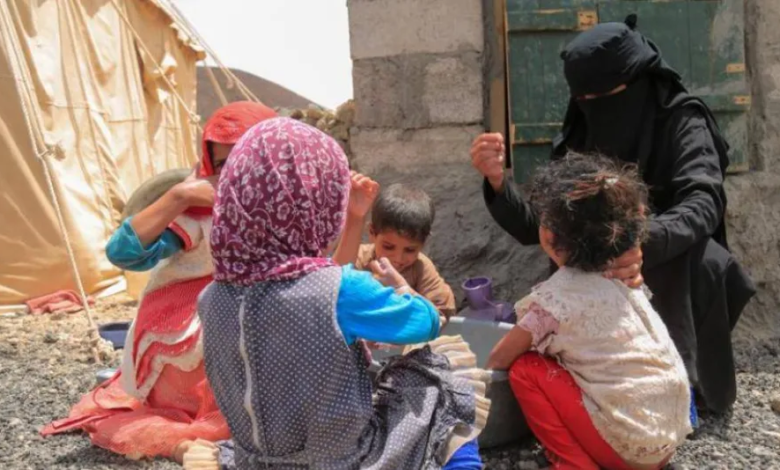
على مدار سنوات الحرب، تحولت محافظة مأرب إلى وجهة رئيسية للنازحين داخلياً من مختلف المحافظات اليمنية التي طالتها نيران الصراع. كانت المدينة تُعتبر ملاذاً آمناً نسبياً، مما أدى إلى تضخم عدد سكانها بشكل يفوق قدرتها الاستيعابية بأضعاف. هذا التدفق البشري الهائل، الذي استمر لسنوات، وضع ضغطاً غير مسبوق على البنية التحتية المتهالكة أصلاً وعلى الموارد الشحيحة، بما في ذلك المياه والغذاء والخدمات الصحية والتعليمية. ومع استمرار الصراع وتغير خطوط التماس، لم تعد مأرب ذلك الملاذ المنشود، بل أصبحت هي نفسها ساحة لمعاناة إنسانية واسعة النطاق، حيث يعيش أغلب النازحين في مخيمات عشوائية تفتقر لأبسط مقومات الحياة الكريمة.
نداء عاجل لإنقاذ الأسر اليمنية في مأرب
إن الوضع الحالي يتطلب استجابة دولية ومحلية عاجلة ومنسقة. المنظمات الإنسانية العاملة على الأرض تبذل جهوداً جبارة، لكنها تواجه تحديات جمة تتمثل في نقص التمويل وصعوبة الوصول إلى جميع المحتاجين. الاحتياجات الأساسية تتجاوز بكثير حجم المساعدات المتاحة. الأسر النازحة، وخاصة النساء والأطفال وكبار السن، هم الأكثر تضرراً، حيث يواجهون خطر سوء التغذية الحاد والأمراض المعدية في ظل انهيار شبه كامل للقطاع الصحي. إن تجاهل هذه الأزمة لن يؤدي إلا إلى تعميق الكارثة، وقد يدفع بالمنطقة إلى حافة مجاعة شاملة، مما يترتب عليه عواقب وخيمة على الاستقرار الإقليمي ويزيد من تعقيدات المشهد اليمني.
لذلك، فإن توفير الدعم الفوري لهذه الأسر لم يعد خياراً، بل ضرورة ملحة لإنقاذ الأرواح. ويشمل ذلك توفير الغذاء والمياه النظيفة والمأوى والرعاية الطبية العاجلة. كما يجب على المجتمع الدولي تكثيف ضغوطه الدبلوماسية للتوصل إلى حل سياسي شامل ينهي الصراع، فهو السبب الجذري لهذه المأساة الإنسانية التي تعد الأسوأ في العالم اليوم.