The Yemeni government approves the 2026 work program: a comprehensive recovery plan

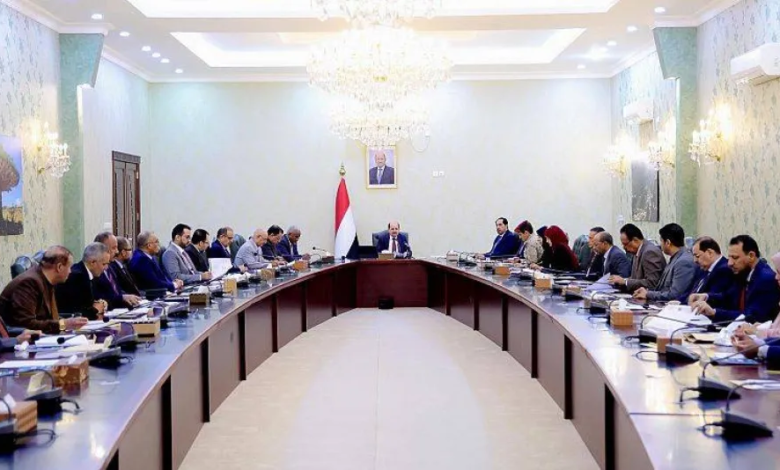
In a pivotal step aimed at strengthening institutional and economic stability in the country, the internationally recognized Yemeni government has approved its comprehensive work program for the fiscal year 2026. This step comes at a time when Yemen is facing exceptional challenges on various levels, as the new program seeks to lay out a clear roadmap to lift the country out of the accumulated crises and move from the stage of emergency crisis management to the stage of strategic planning and sustainable recovery.
Government program priorities for 2026
The new work program is based on several key pillars, foremost among them the economic and service sectors. Through this plan, the government aims to curb inflation and stabilize the national currency, which has experienced sharp fluctuations in recent years, directly impacting citizens' purchasing power. The program also includes urgent implementation plans to improve essential services, particularly the electricity, water, and health sectors, which have been severely affected by the ongoing conflict.
General context and historical background
The adoption of this program comes amidst the complex political and military circumstances Yemen has faced since the outbreak of conflict in 2014. For over a decade, the war has devastated infrastructure and disrupted oil and gas exports, which constitute the main artery of the state's general budget. With the formation of the Presidential Leadership Council, efforts to unify ranks and activate state institutions have intensified from the interim capital, Aden, and this program is an extension of the government's efforts to normalize the situation in the liberated governorates.
Strategic importance and expected impact
The 2026 program is of paramount importance as it represents a message of reassurance to the Yemeni people, the international community, and donors. Domestically, its implementation is expected to alleviate the humanitarian crisis, which the United Nations classifies as one of the world's worst, by improving salary payments and ensuring the availability of essential goods. Regionally and internationally, a clear and transparent government action plan is essential for attracting financial support and bank deposits from the Arab Coalition and international financial institutions, thereby enhancing the prospects for achieving relative economic stability and paving the way for a comprehensive peace process in the future.