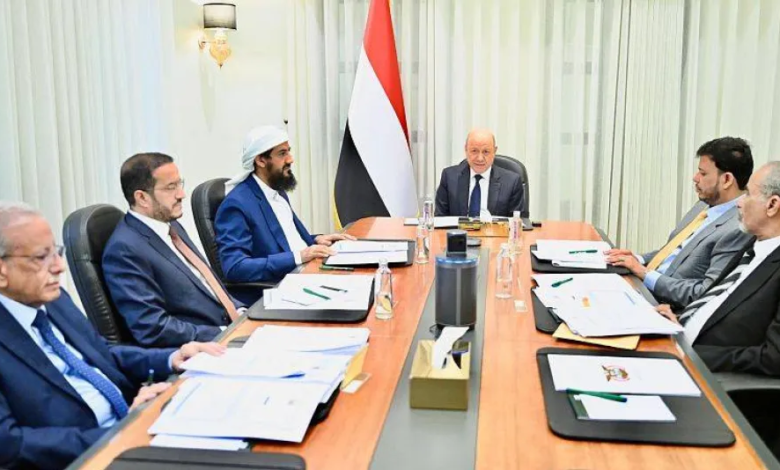

جدد مجلس القيادة الرئاسي اليمني، برئاسة فخامة الرئيس الدكتور رشاد محمد العليمي، تأكيده على الالتزام الراسخ بالمضي قدماً في تنفيذ حزمة من الإصلاحات الشاملة في مؤسسات الدولة، مشدداً في الوقت ذاته على ضرورة ملاحقة العناصر الإجرامية المتورطة في جرائم الاغتيالات وتقديمهم للعدالة. جاء ذلك في سياق اجتماع للمجلس استعرض آخر المستجدات على الساحة الوطنية، وتقييم الأداء في الجوانب السياسية، والأمنية، والاقتصادية، والخدمية.
خلفية وسياق تاريخي
يأتي هذا التوجه في إطار المهام الرئيسية التي أُنيطت بمجلس القيادة الرئاسي منذ تشكيله في أبريل 2022، بعد نقل السلطة من الرئيس السابق عبدربه منصور هادي. تأسس المجلس بهدف توحيد الصفوف المناهضة لجماعة الحوثي، وإدارة شؤون الدولة خلال المرحلة الانتقالية، والعمل على التوصل إلى حل سياسي شامل ينهي الحرب المستمرة منذ سنوات. ومنذ تأسيسه، واجه المجلس تحديات جسيمة، أبرزها الوضع الاقتصادي المتردي، والانقسامات داخل المكونات المناهضة للحوثيين، والوضع الأمني الهش في المحافظات المحررة، لا سيما العاصمة المؤقتة عدن التي شهدت سلسلة من الاغتيالات التي استهدفت شخصيات عسكرية وأمنية وسياسية، مما قوض جهود بسط سلطة الدولة وسيادة القانون.
أهمية الحدث وتأثيره المتوقع
تكتسب توجيهات المجلس أهمية بالغة على مختلف الأصعدة، لما لها من تأثيرات محتملة على مستقبل الاستقرار في اليمن:
- على الصعيد المحلي: يهدف التركيز على الإصلاحات الاقتصادية والإدارية إلى تحسين الظروف المعيشية للمواطنين الذين يعانون من أزمة إنسانية حادة، ومكافحة الفساد، وتعزيز إيرادات الدولة. أما على الصعيد الأمني، فإن ملاحقة منفذي الاغتيالات وتقديمهم للعدالة تعد خطوة حاسمة لاستعادة ثقة المواطنين في الأجهزة الأمنية والقضائية، وفرض هيبة الدولة، وإنهاء حالة الإفلات من العقاب التي شجعت على تكرار هذه الجرائم.
- على الصعيدين الإقليمي والدولي: ينظر الشركاء الإقليميون والدوليون، وفي مقدمتهم المملكة العربية السعودية ودولة الإمارات العربية المتحدة والأمم المتحدة، إلى قدرة المجلس على تنفيذ هذه الإصلاحات كمعيار أساسي لمدى فاعليته وقدرته على قيادة البلاد. إن تحقيق تقدم ملموس في الملفين الأمني والاقتصادي يعزز من موقف الحكومة الشرعية في أي مفاوضات سلام مستقبلية، ويشكل أساساً صلباً لإعادة الإعمار وتحقيق التنمية المستدامة، كما أنه يبعث برسالة قوية للمجتمع الدولي حول جدية المجلس في بناء دولة مؤسسات قوية وقادرة على الوفاء بالتزاماتها.
وفي الختام، يمثل إصرار مجلس القيادة الرئاسي على مساري الإصلاح والعدالة محاولة جادة لمعالجة الأسباب الجذرية لعدم الاستقرار، وركيزة أساسية للانطلاق نحو تحقيق السلام الشامل الذي يتطلع إليه الشعب اليمني.