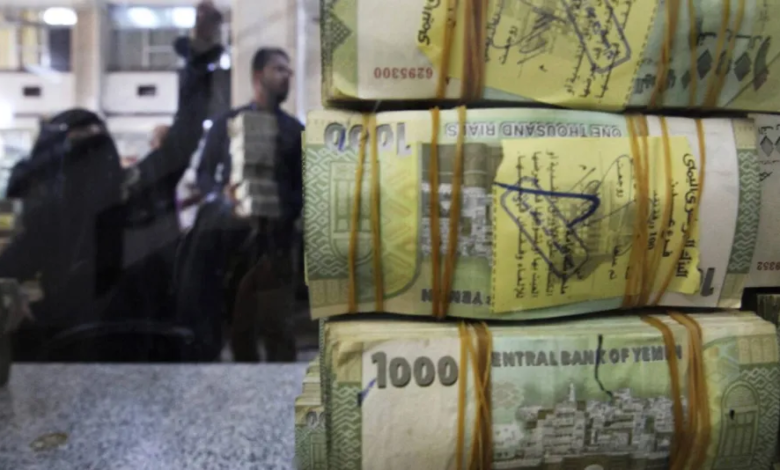

شهدت أسواق الصرف في اليمن تحسناً مفاجئاً وملحوظاً في قيمة الريال اليمني مقابل العملات الأجنبية، في تطور أثار حالة من الترقب والحذر في الأوساط الاقتصادية والتجارية. هذا التعافي السريع، الذي جاء بعد موجة هبوط حادة، وضع ثقة السوق على المحك وأثار تساؤلات مشروعة حول مدى استدامة هذا التحسن وما إذا كان نتاجاً لإصلاحات حقيقية أم مجرد مضاربات مؤقتة.
سياق الأزمة الاقتصادية والخلفية التاريخية
لفهم طبيعة هذا التحسن المفاجئ، لا بد من العودة إلى جذور الأزمة الاقتصادية التي تعصف باليمن منذ اندلاع النزاع في عام 2015. لقد أدت الحرب المستمرة إلى انكماش حاد في الناتج المحلي الإجمالي، وتوقف تصدير النفط والغاز الذي كان يشكل الشريان الرئيسي للموازنة العامة. وزاد الطين بلة قرار نقل البنك المركزي اليمني من صنعاء إلى عدن في سبتمبر 2016، مما أدى إلى انقسام المؤسسة المالية والنقدية في البلاد، ونشوء سعرين مختلفين للصرف بين مناطق نفوذ الحكومة المعترف بها دولياً ومناطق سيطرة الحوثيين.
على مدار السنوات الماضية، فقدت العملة الوطنية جزءاً كبيراً من قيمتها، مما أدى إلى تضخم جامح وارتفاع جنوني في أسعار السلع الأساسية في بلد يعتمد على الاستيراد لتغطية 90% من احتياجاته الغذائية. ولطالما كانت التحركات السعرية للريال مرتبطة بالتدخلات الخارجية، مثل الودائع السعودية، أو التطورات السياسية، أكثر من ارتباطها بعوامل اقتصادية إنتاجية.
ارتباك السوق وتحديات الثقة
يأتي التحسن الحالي وسط مخاوف لدى التجار والمستوردين من أن يكون هذا الصعود "وهمياً" أو قصير الأجل. وتكمن المشكلة الرئيسية في أن أسعار السلع الغذائية والاستهلاكية لا تستجيب لهذا التحسن بنفس سرعة استجابتها لانهيار العملة. يخشى التجار من بيع مخزونهم بأسعار مخفضة بناءً على سعر الصرف الجديد، ثم معاودة العملة للهبوط مجدداً، مما يعرضهم لخسائر في رأس المال. هذه الحالة من "عدم اليقين" تعكس أزمة ثقة عميقة بين السوق والسياسات النقدية المتبعة.
الأهمية والتأثير المتوقع
يحمل هذا الحدث أهمية بالغة على عدة أصعدة:
- محلياً: يترقب المواطن اليمني بلهفة انعكاس هذا التحسن على قوته الشرائية، حيث يعيش الملايين تحت خط الفقر. استقرار العملة هو المفتاح الأول لتخفيف الأزمة الإنسانية التي تصفها الأمم المتحدة بأنها الأسوأ عالمياً.
- اقتصادياً: يعتبر هذا التحسن اختباراً لقدرة البنك المركزي في عدن على فرض أدوات السياسة النقدية والسيطرة على سوق الصرافة المضطرب، ومحاربة المضاربة بالعملة التي أضرت بالاقتصاد الوطني.
- إقليمياً ودولياً: يراقب المانحون الدوليون والمؤسسات المالية (مثل صندوق النقد الدولي) هذه التطورات لتقييم مدى جدوى الإصلاحات الاقتصادية والدعم المالي المقدم لليمن.
في الختام، يظل التحسن المفاجئ للريال اليمني سيفاً ذو حدين؛ فإما أن يكون بداية لتعافٍ تدريجي مدعوم بإجراءات حكومية صارمة ودعم خارجي مستدام، أو أن يكون مجرد "فقاعة" مؤقتة قد تنفجر لتعيد العملة إلى مربعات الهبوط الأولى، ما لم يتم معالجة الاختلالات الهيكلية في الاقتصاد اليمني وتوحيد السياسة النقدية.