
A recent Yemeni statement accusing Emirati officers of committing serious violations has sparked widespread controversy, once again highlighting the complexities of the military and political landscape in Yemen, particularly in the southern provinces. This statement comes at a sensitive time for the country, as regional agendas intertwine with local conflicts, exacerbating the suffering of civilians and raising questions about the future of existing alliances.
The context of the conflict and the UAE's role in Yemen
To understand the dimensions of these accusations, it is necessary to return to the broader context of the war in Yemen, which erupted widely in 2015. The United Arab Emirates entered as a key partner in the Saudi-led Arab coalition to support the legitimate government against the Houthi group. However, Emirati influence was primarily concentrated in the southern and eastern governorates, such as Aden, Shabwa, and Socotra, as well as the western coast.
The UAE has trained and armed local forces, such as the Security Belt Forces and the Shabwani and Hadrami Elite Forces, which are factions that often operate outside the direct command of the official Yemeni army, creating a duality in security and military authority, and frequently leading to field and political tensions.
The nature of the violations and international reports
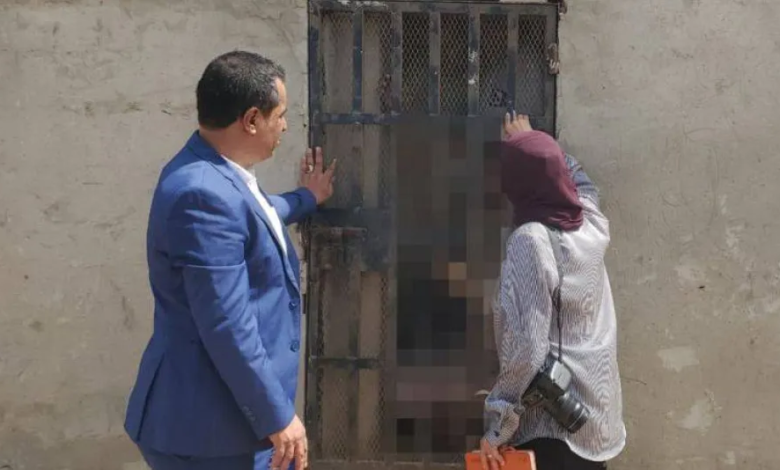
The accusations in the statement are not unprecedented. International human rights organizations, including Human Rights Watch and Amnesty International, as well as the UN Group of Eminent Experts, have previously documented reports of secret prisons and unofficial detention centers run by Emirati officers or forces loyal to them. These reports included allegations of practices such as arbitrary arrest, enforced disappearance, and ill-treatment, which the UAE has repeatedly denied, asserting its commitment to international law.
Political and humanitarian repercussions
This statement is of paramount importance given its potential impact on the cohesion of the Yemeni Presidential Leadership Council, which includes representatives from various factions, including those backed by the UAE. The continuation of such accusations without a transparent and independent investigation could deepen the divisions among Yemeni factions and undermine UN-sponsored peace efforts.
On the humanitarian front, these alleged violations further darken the already dire situation in Yemen, which the United Nations describes as the world's worst humanitarian crisis. Human rights groups continue to demand accountability for all parties and insist that perpetrators of violations, whether local or regional actors involved in the conflict, are not allowed to escape punishment.