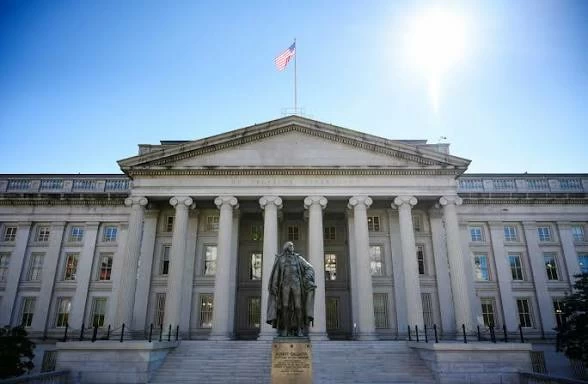

In a new move aimed at increasing economic pressure on Tehran, the US Treasury Department announced a new package of economic sanctions targeting a broad network of entities and individuals. These measures come within the framework of a long-standing US strategy that seeks to restrict Iran's ability to finance its regional activities and develop its military programs, particularly its nuclear and missile programs.
The latest sanctions directly target trade and banking channels that Washington believes serve as tools for providing liquidity and facilitating international financial transfers outside of normal regulatory frameworks. According to a statement from the US Treasury, the goal is to isolate these entities from the global financial system and prevent them from using the US dollar in their transactions, thus placing additional pressure on the economic structures upon which Tehran relies for its foreign trade.
Historical context: Maximum pressure policy
These sanctions cannot be understood in isolation from their historical context. Relations between Washington and Tehran have been strained for decades, but they entered a new phase of escalation after the United States withdrew from the nuclear agreement (the Joint Comprehensive Plan of Action – JCPOA) in 2018 under former President Donald Trump. The Trump administration adopted a policy of “maximum pressure,” which reinstated all previous sanctions and added hundreds of new measures targeting vital sectors such as oil, banking, shipping, and mining. Despite changes in administration in Washington, the hardline approach has largely persisted, with sanctions being used as a primary tool of US foreign policy toward Iran.
The importance and expected impact of the new sanctions
Domestically, these sanctions are expected to exacerbate existing economic challenges in Iran. Analysts believe that restricting access to hard currency will further pressure the Iranian rial and could trigger new waves of inflation that directly impact citizens' lives. While the sanctions nominally exempt humanitarian goods such as food and medicine, restrictions on the banking sector make it difficult for international companies to conduct legitimate transactions with Iran, disrupting supply chains for these essential commodities.
Regionally and internationally, these measures aim to weaken Iran’s network of allies in the region by cutting off their funding sources. They also present companies and financial institutions in Europe and Asia with a difficult choice: comply with US sanctions and avoid enormous legal and financial risks, or risk doing business with Iran. This deepens Iran’s economic isolation and further complicates any future diplomatic efforts to revive the nuclear agreement or reach new understandings between Tehran and world powers.